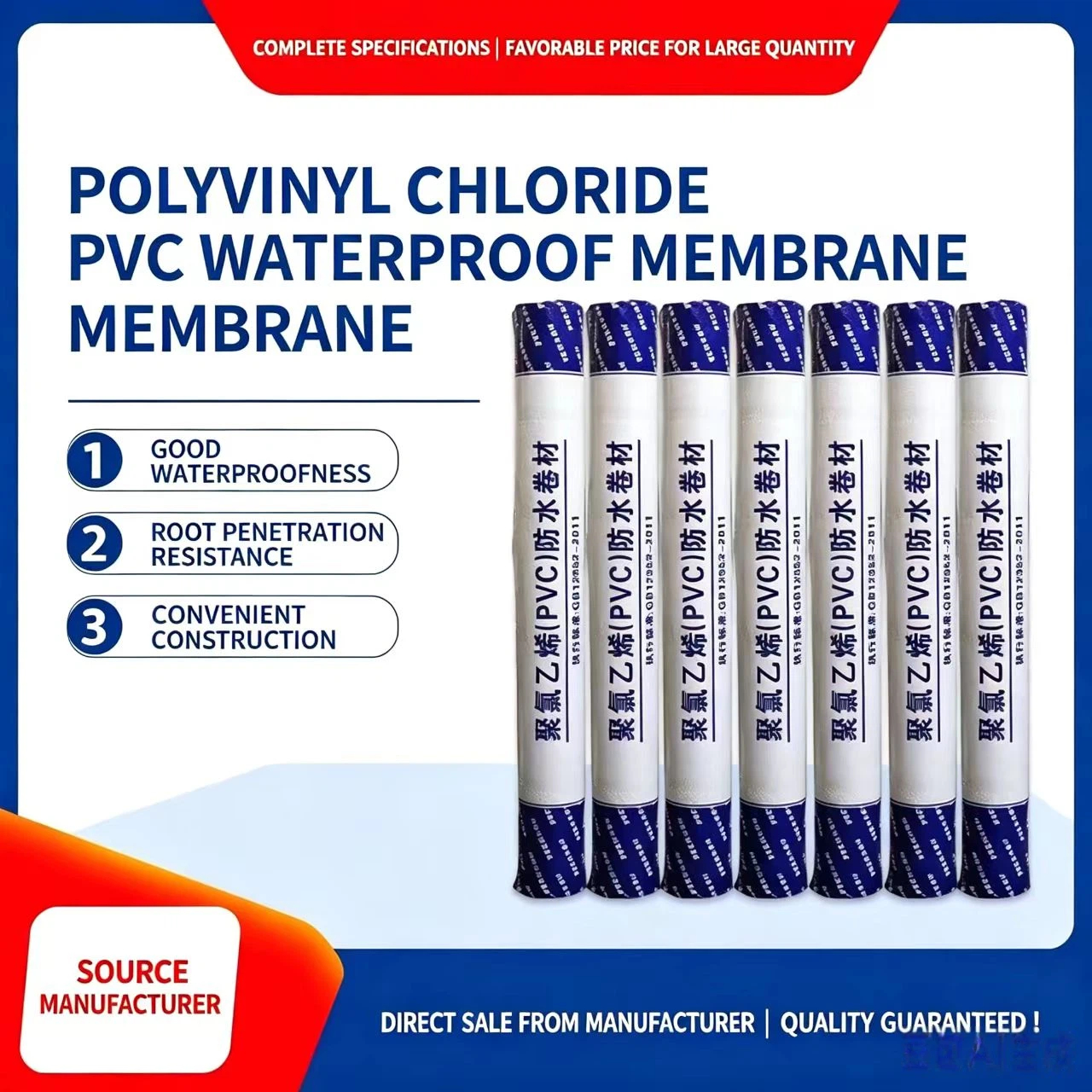
This guide is written for importers, waterproofing contractors, procurement engineers, and distributors who are evaluating PVC waterproofing membrane for a specific project or for stock. It focuses on the practical decisions you face before sending an inquiry: which membrane type suits the substrate, what thickness and reinforcement to confirm, and how to communicate requirements clearly with a manufacturer.
PVC membrane is one of several single-ply and bitumen options on the market. The aim here is not to argue that one product is always right, but to help you match the material to your roofing waterproofing, basement waterproofing, or industrial application before you commit to an order.
Understanding the buyer intent behind "pvc waterproofing"
When buyers search for pvc waterproofing, they are usually comparing a thermoplastic PVC waterproof membrane against alternatives such as TPO membrane, EPDM membrane, or bitumen membrane systems. The intent is typically one of three: sourcing rolls for a new exposed roof, finding a chemical- or corrosion-resistant lining, or replacing an aging single-ply system on an existing structure.
PVC membrane is a hot-air weldable, single-ply thermoplastic sheet. It is often specified where welded seams, exposed application, and resistance to certain chemical environments are priorities. Whether it is the correct choice depends on your substrate, climate, installation method, and local specification, so the material selection should always be confirmed against project conditions rather than assumed.
Common application scenarios for PVC membrane
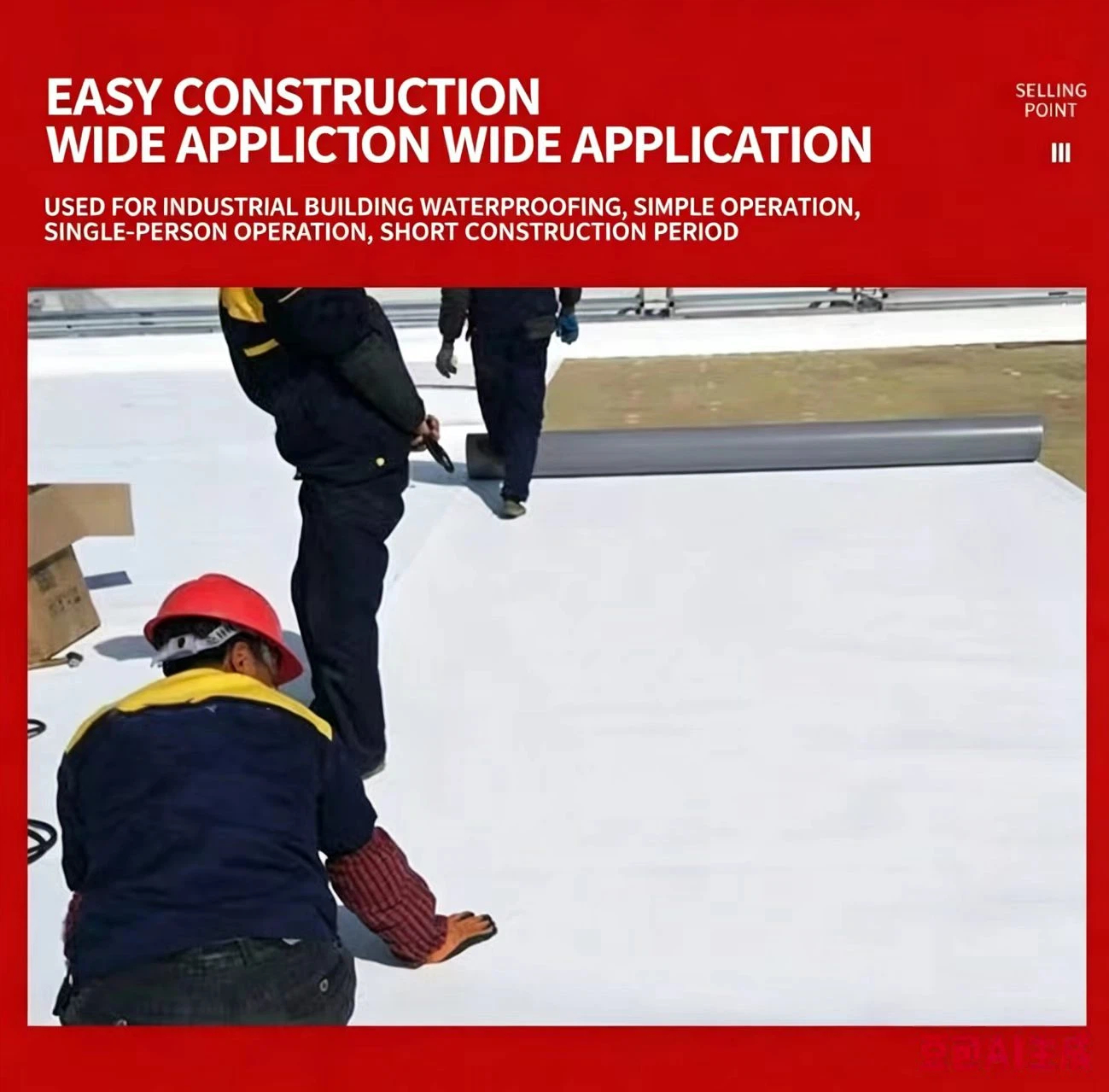
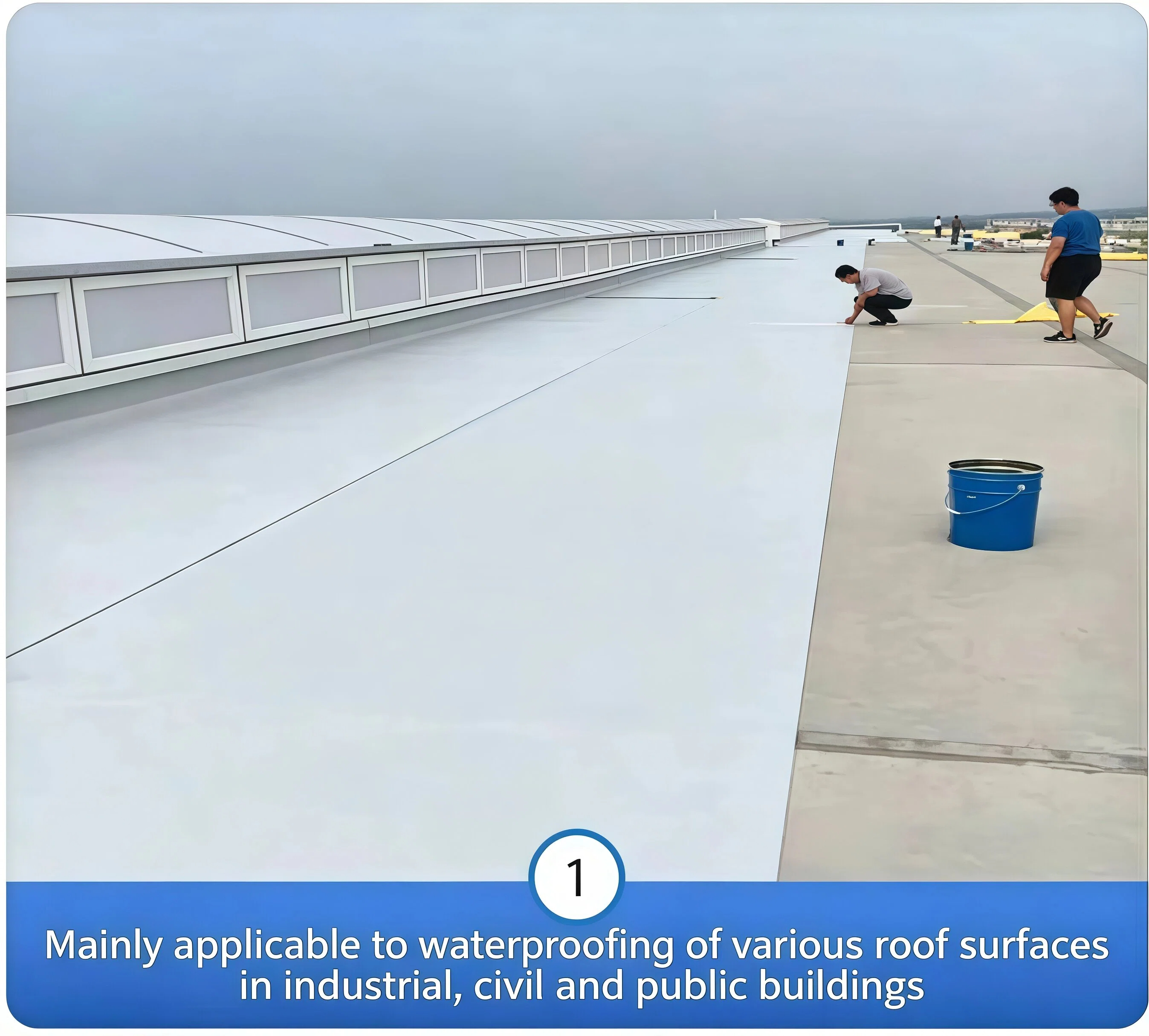
PVC waterproof membrane is applied across several building and civil scenarios. The most common include:
- Exposed flat and low-slope roofs where welded seams and UV exposure are considerations.
- Basements and underground structures requiring a durable sheet system, often combined with detailing at joints.
- Municipal pipe corridors and utility tunnels where a mechanically fastened or loose-laid system may be used.
- Water pools and containment structures where seam integrity is critical.
- Chemical anti-corrosion projects and corrosive environments where sheet chemical resistance matters.
For metal roofs, cracks, pipe penetrations, and local repairs, a self-adhesive membrane or butyl tape is sometimes more suitable than a full PVC sheet system. The right approach depends on the substrate and the scope of work.
Buyer decision table
| Project condition | Material option | What to confirm before inquiry | Notes |
|---|---|---|---|
| Exposed flat roof, welded seams preferred | PVC waterproof membrane | Thickness, reinforcement type, roll size, fastening method | Confirm UV exposure and slope with the specifier |
| Exposed roof, alternative thermoplastic considered | TPO membrane | Thickness, weldability, climate suitability | Compare against PVC based on local specification |
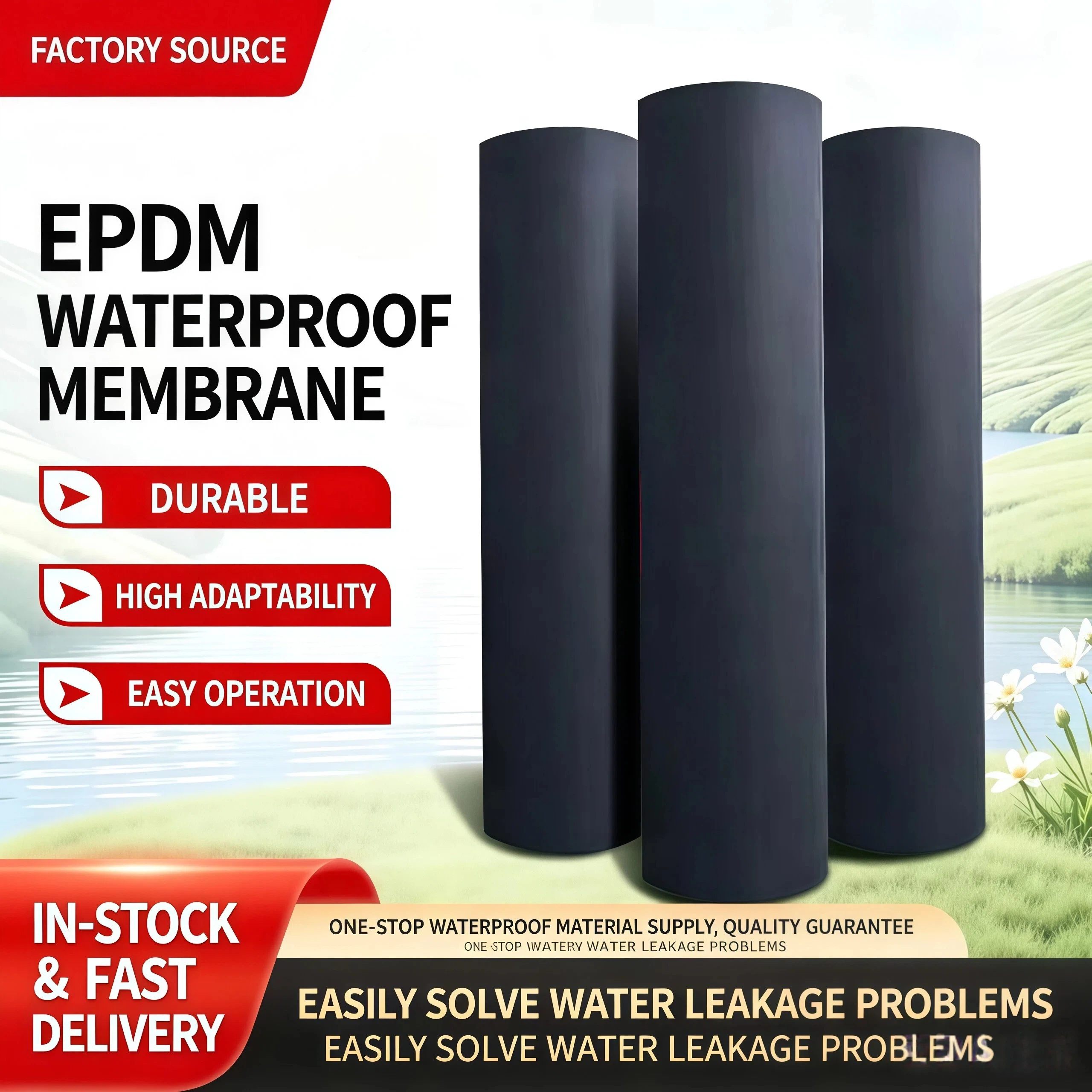
| Exposed roof needing flexibility across wide temperature range | EPDM membrane | Seam method, thickness, jointing accessories | Bonding or taping differs from welded systems |
| Basement or tunnel | PVC membrane or pre-applied self-adhesive membrane | Positive/negative side, groundwater condition | Detailing at joints is critical |
| Metal roof repair or overlap | Self-adhesive membrane or butyl tape | Substrate condition, gap width | Often more practical than full sheet replacement |
| Pools, chemical containment | PVC membrane | Chemical exposure list, seam requirements | Confirm compatibility for the specific medium |
How to choose PVC membrane specifications
Getting the specification right avoids costly mismatches when the material arrives on site. Consider the following when preparing your requirement:
- Thickness: Commonly discussed in millimeters. The correct thickness depends on the application, expected traffic, and local specification. Do not select thickness by price alone.
- Reinforcement: Membranes may be reinforced with polyester scrim or fiberglass, or supplied unreinforced. Reinforcement affects dimensional stability and the intended installation method.
- Roll width and length: Larger rolls reduce seams but affect handling. Confirm what your crew can manage on site.
- Surface finish: Some rolls are supplied with a felt or fleece backing for adhered systems; others are plain for mechanically fastened or loose-laid use.
- Installation method: Mechanically fastened, fully adhered, or loose-laid ballasted systems each require different membrane configurations and accessories.
- Packing and quantity: Confirm rolls per pallet, total area, and container loading so shipping is efficient.
- Destination port: Provide this early so freight and packing can be planned.
Questions to prepare before requesting a quotation
- What is the substrate and the exact application (roof, basement, pool, corridor)?
- Is the membrane exposed or covered, and what is the slope?
- What thickness and reinforcement does your specification require?
- Which installation method will your crew use?
- What total area or quantity do you need, and is this a one-time or repeat order?
- What roll dimensions and colors are acceptable?
- What is your destination port and preferred packing?
- Are there any chemical exposures or local standards the membrane must meet?
Common mistakes and selection risks
A few recurring issues cause problems for buyers who skip the specification stage:
- Choosing thickness or reinforcement based on price rather than the application, then finding the membrane unsuitable for the installation method.
- Assuming PVC and TPO are interchangeable. They are both thermoplastic, but weldability, accessory compatibility, and behavior differ.
- Ordering plain membrane when an adhered system needs a fleece-backed sheet, or vice versa.
- Overlooking seam and detailing accessories, which are essential for a watertight welded system.
- Not confirming compatibility for chemical or immersion service before committing to a large order.
- Ignoring roll size relative to site handling, which slows installation.
Getting help with product selection
If you are still deciding between PVC, TPO, EPDM, or a bitumen membrane system, share your project conditions and we can help match a suitable specification. Provide the application, substrate, thickness or specification reference, quantity, and destination port, and our team at Shandong Yubang New Waterproof Materials Co., Ltd. can advise on the most appropriate option and prepare a clear quotation.