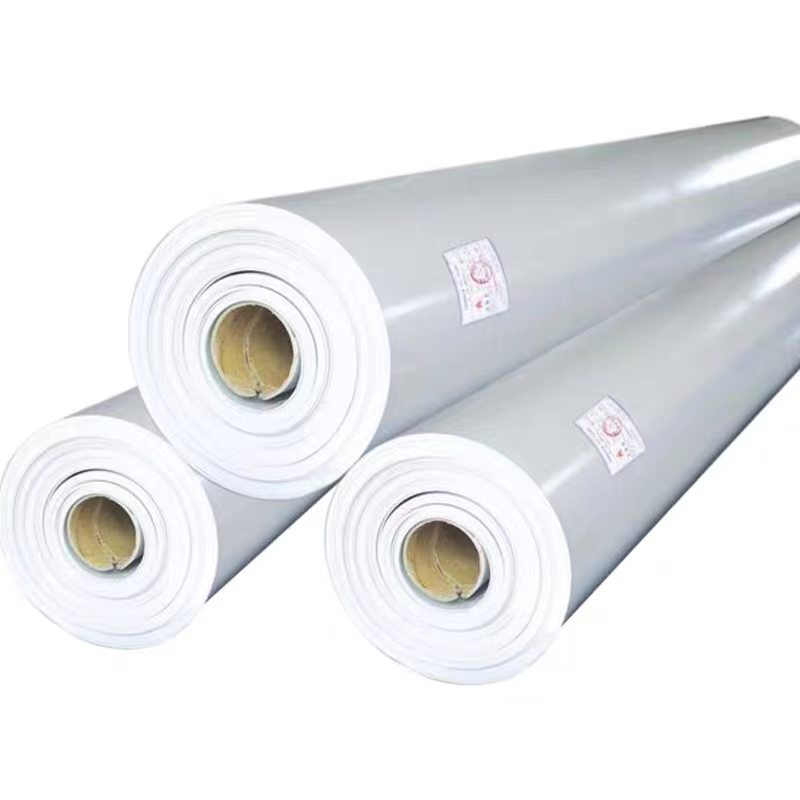
This guide is written for importers, waterproofing contractors, procurement engineers, and distributors who need to select and buy sheet membranes for real projects. If you are comparing bitumen membranes with polymer sheets, or trying to match a membrane to a roof, basement, or tunnel specification, the goal here is to help you narrow the options and prepare a clear inquiry.
Sheet membranes are factory-made rolls installed on site to form a continuous waterproof layer. Because there are several material families, and each behaves differently by climate, substrate, and installation method, the right choice depends on your project conditions rather than a single "best" answer.
Understanding the buyer intent behind "sheet membranes"
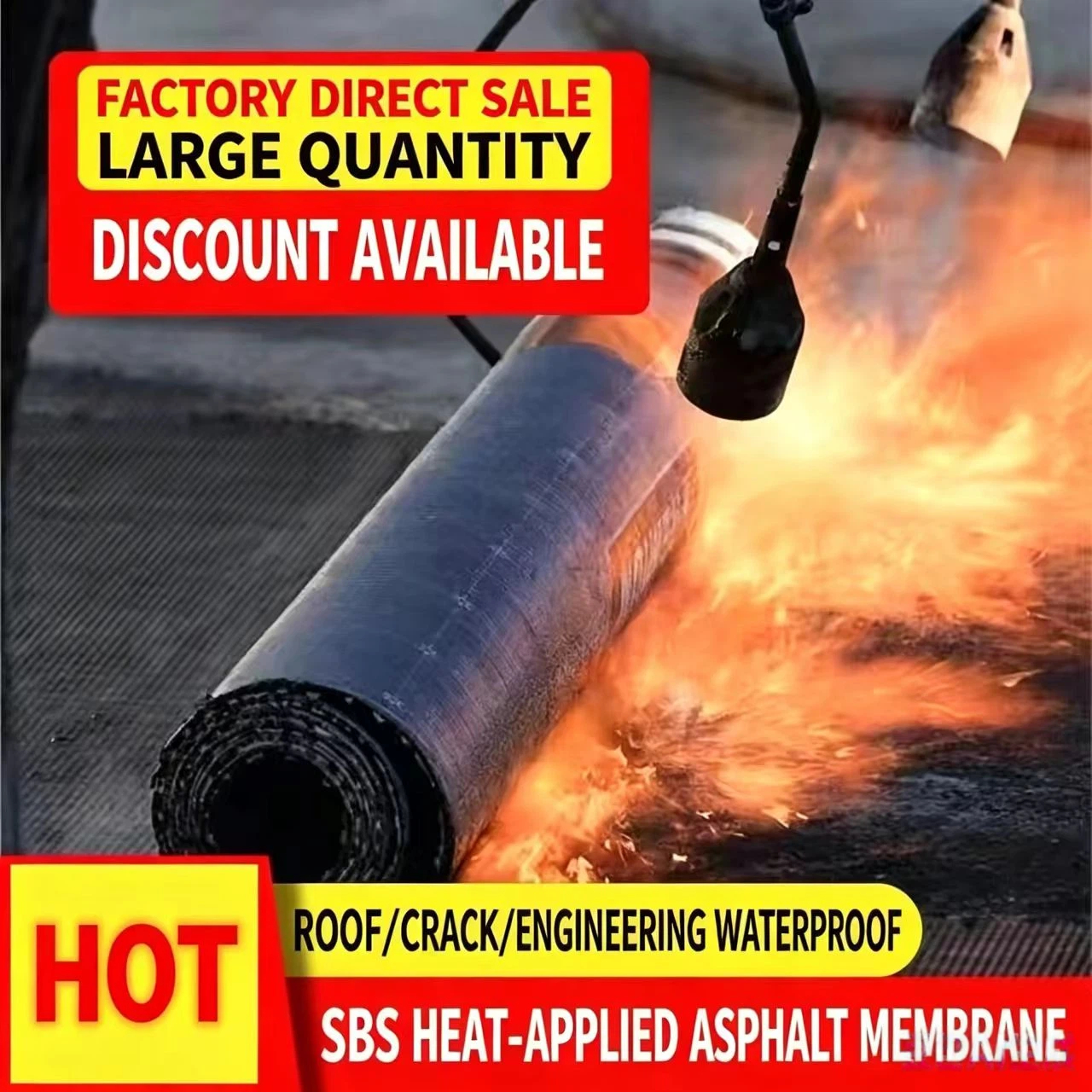
When buyers search for sheet membranes, they usually already know they want a rolled waterproof membrane rather than a liquid waterproof coating. The real question is which type fits their project: a bitumen membrane such as SBS or APP, a self-adhesive membrane, or a synthetic sheet like PVC, TPO, or EPDM.
Intent normally falls into three groups. Some buyers need a specific material to match an existing specification. Others are open to alternatives and want to compare cost, installation, and climate suitability. A third group needs repair or renovation material for an existing roof or wall. Identifying which group you belong to makes supplier communication faster and quotations more accurate.
Common application scenarios
Different application areas point toward different membrane families. Confirm your scenario before comparing products.
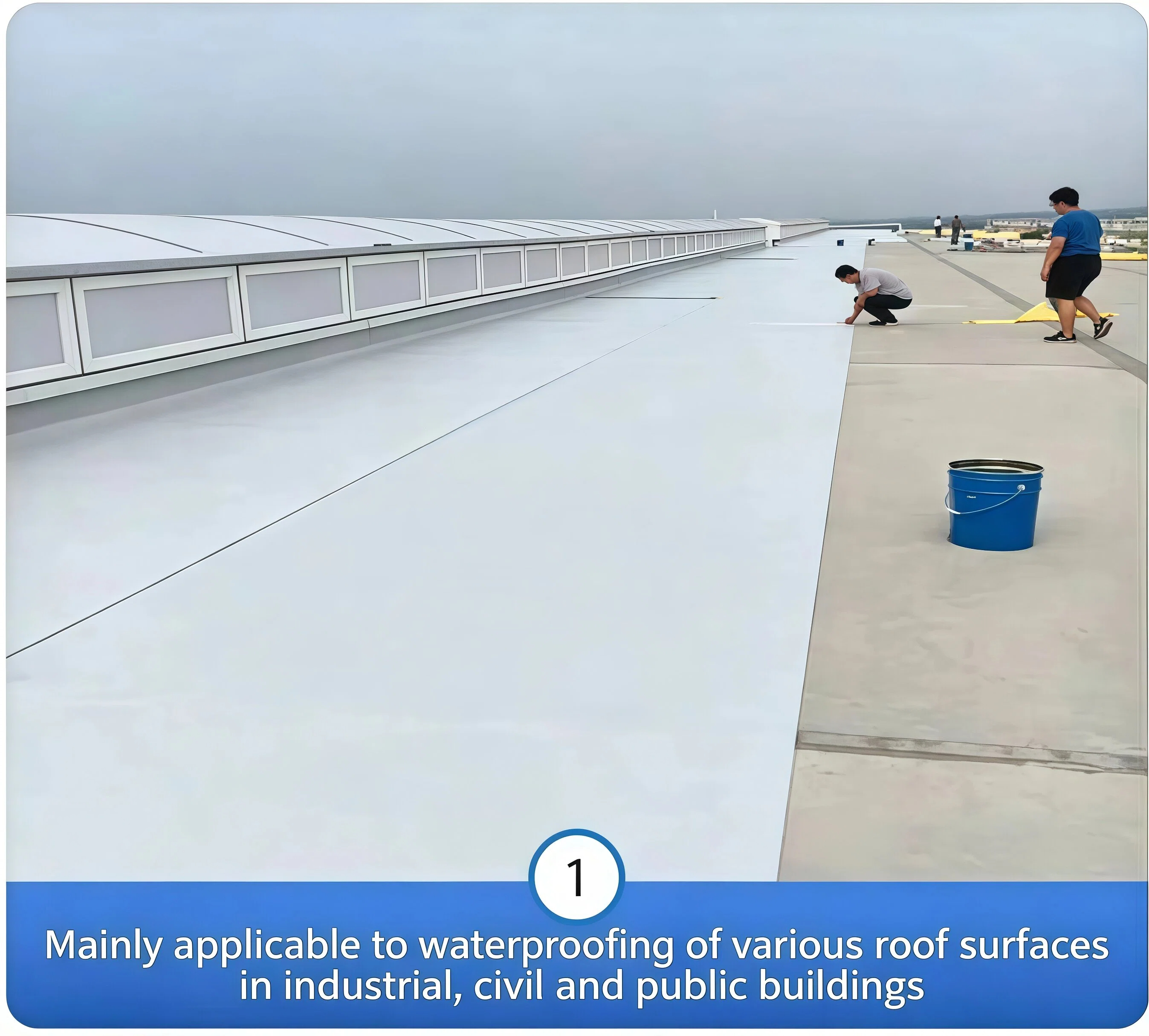
- Exposed roofs: Often use APP or SBS bitumen membrane, or synthetic sheets such as PVC and TPO where UV exposure and appearance matter.
- Basements and underground structures: May use bitumen membranes, self-adhesive membranes, or pre-applied anti-adhesive membranes for floors and side walls.
- Tunnels, bridges, and municipal works: Frequently specify reinforced bitumen or synthetic sheets suited to structural movement and long service demands.
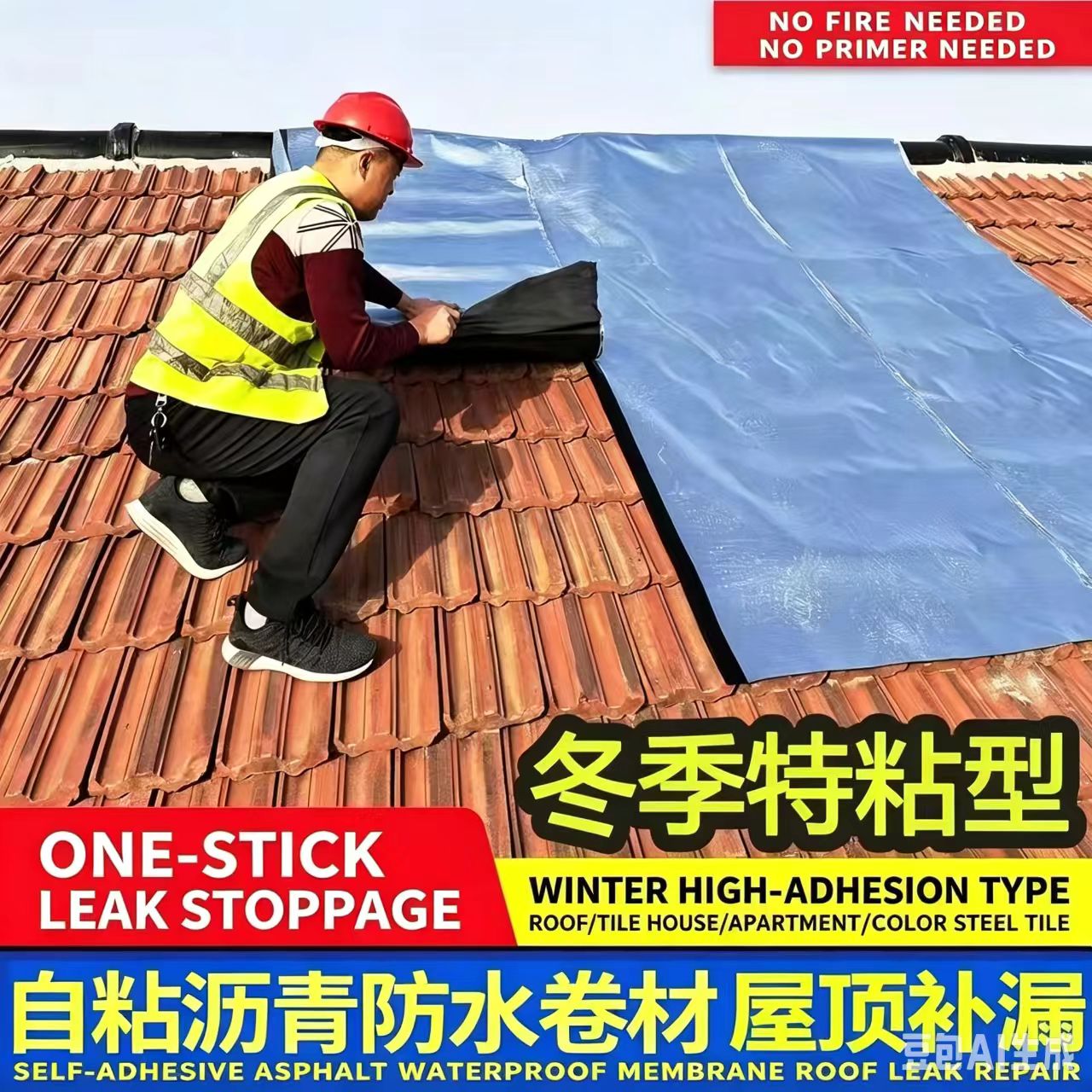
- Metal and color steel roofs: Self-adhesive membranes designed for metal substrates are common for new roofs and repair work.
- Repair and renovation: Self-adhesive membranes and localized tapes are often chosen where open-flame torching is not suitable.
Buyer decision table
| Project condition | Material option | What to confirm before inquiry | Notes |
|---|---|---|---|
| Hot, high-temperature exposed roof | APP-type modified bitumen membrane | Thickness, surface finish, UV exposure | Match softening behavior to local climate |
| Cold region roof or basement | SBS modified bitumen membrane | Thickness, exposed or covered use | SBS is commonly chosen for low-temperature flexibility |
| Exposed or corrosive roof | PVC or TPO sheet membrane | Thickness, reinforcement, welding method | Confirm chemical exposure and detailing needs |
| Movement or all-climate exposed roof | EPDM sheet membrane | Sheet size, seam method | Suited to varied climate conditions |
| Metal / color steel roof | Self-adhesive membrane for metal substrate | Substrate condition, overlap details | Designed for new and repair metal roofs |
| Basement floor and walls | Pre-applied anti-adhesive self-adhesive membrane | Construction sequence, substrate | For pre-applied underground application |
How to choose specifications
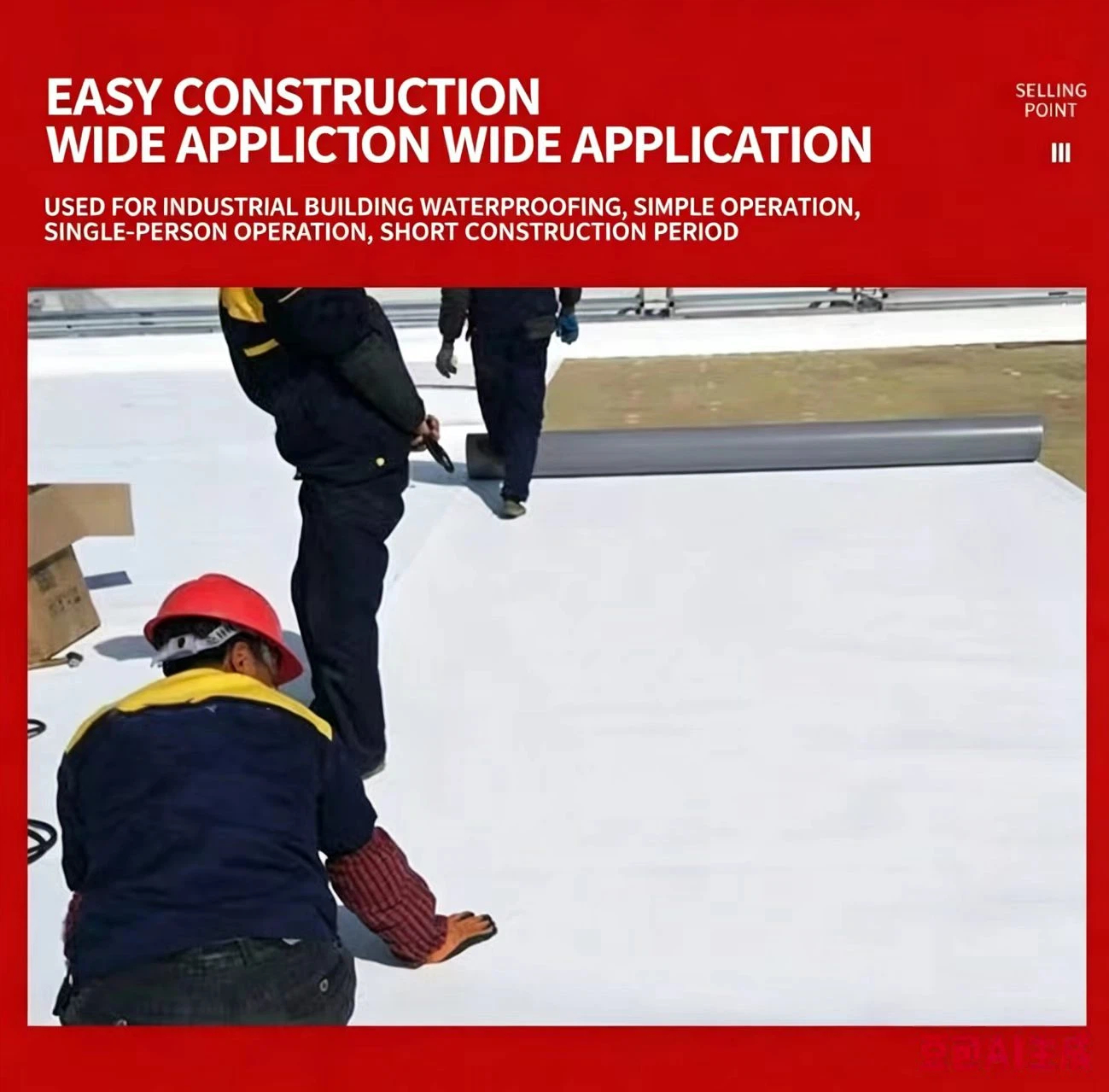
Once the material family is decided, specifications determine the actual quotation. For bitumen membranes, confirm thickness, roll width and length, surface finish such as sand, film, or mineral, and the type of reinforcement carrier. For synthetic sheets like PVC, TPO, and EPDM, confirm thickness, whether reinforcement is required, roll dimensions, and the seaming or welding method.
Installation method also affects selection. Torch-applied, self-adhesive, mechanically fixed, and loose-laid systems have different site requirements. Where open flame is restricted, a self-adhesive membrane is often preferred. Finally, define packing, order quantity, and destination port early, since these affect roll packaging, loading, and freight planning. When any detail depends on local specification, it is best to confirm it against your project drawings or standard.
Questions to prepare before requesting a quotation
- What is the application area: roof, basement, tunnel, metal roof, or repair?
- Will the membrane be exposed or covered?
- What thickness and roll size does your specification require?
- What installation method will the site use?
- What is the climate at the project location, especially high or low temperatures?
- What surface finish or reinforcement is needed?
- What is your order quantity, packing requirement, and destination port?
- Is there an existing specification or standard you must match?
Common mistakes and selection risks
A frequent mistake is ordering by material name alone without confirming thickness and reinforcement, which leads to mismatched quotations. Another is ignoring climate: a membrane suited to hot regions may not be the right pick for cold climates, and the reverse is also true. Buyers sometimes overlook the installation method, then receive a torch-applied product for a site where open flame is not allowed.
For synthetic sheets, seaming method and detailing at penetrations are easy to underestimate. For underground work, the construction sequence decides whether a pre-applied membrane is appropriate. When in doubt, describe the project fully and let the supplier suggest matching options rather than guessing at a product code.
Getting product selection support
Sheet membranes cover a wide range of materials, and the right one depends on your substrate, climate, installation method, and specification. If you share your project details and quantity, we can help match a suitable membrane type and specification and prepare an accurate quotation. Reach out with your application and destination port, and we will guide the selection step by step.