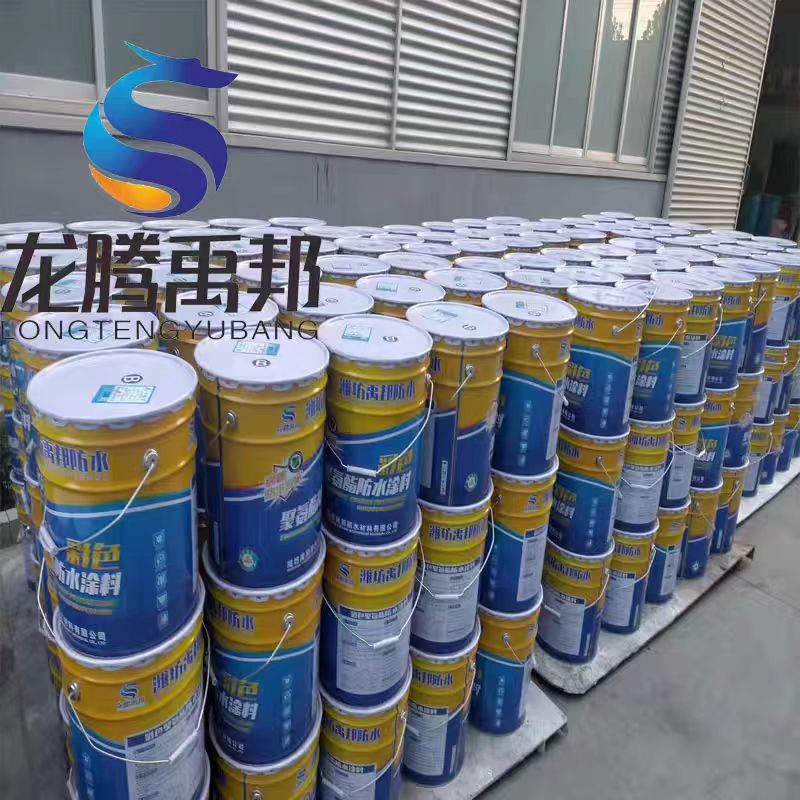
This article is written for importers, waterproofing contractors, and procurement engineers who search for Sikacoat 500 and want to understand what type of product it represents, where it is used, and how to source a technically comparable acrylic waterproof coating for their own projects. It is a sourcing and specification guide, not a product datasheet.
If you are comparing suppliers or building a bill of materials for roofing waterproofing or wall protection, the goal here is to help you define the right specification and prepare an inquiry that gets accurate pricing and lead time on the first reply.
Understanding the buyer intent behind Sikacoat 500
When buyers look up Sikacoat 500, they are usually researching a liquid-applied acrylic-type waterproof coating for exposed surfaces such as roofs and exterior walls. Some are trying to identify the exact branded product; others are looking for an equivalent they can buy at project volume or export more easily to their destination port.
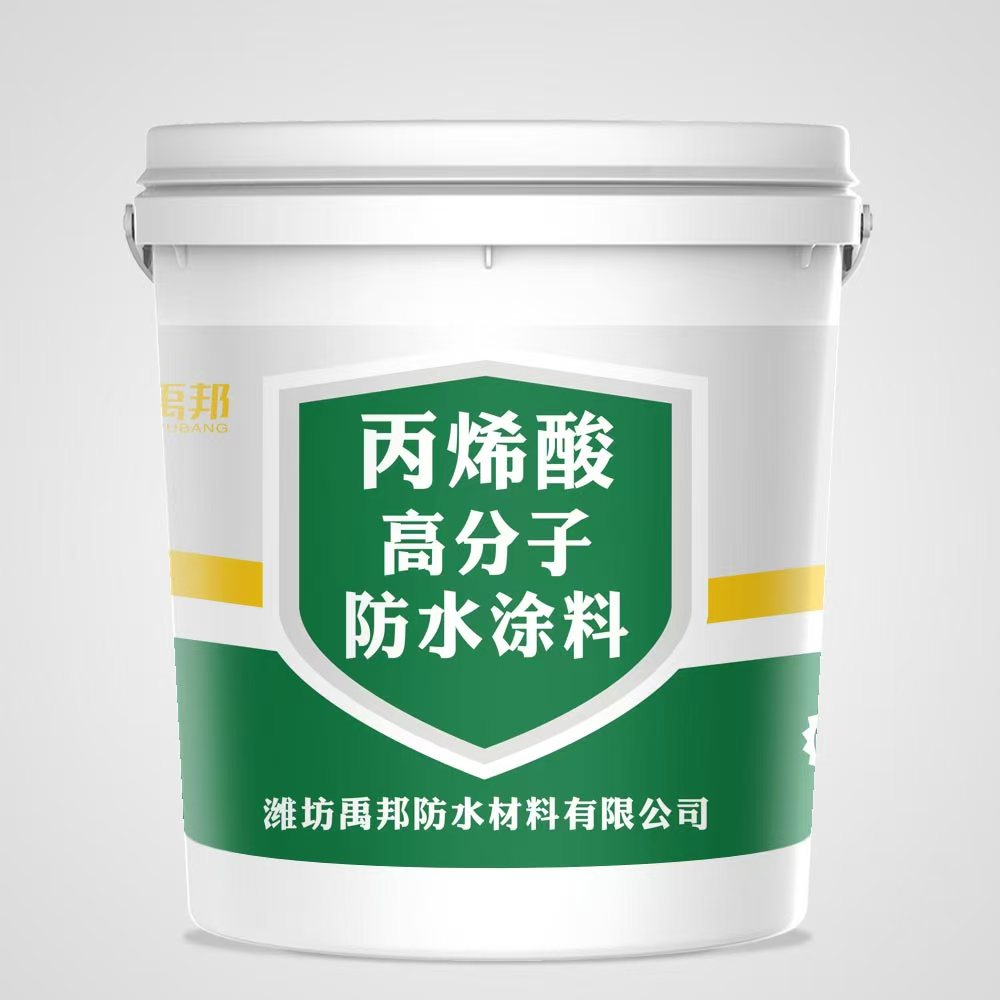
We cannot confirm the exact formulation, performance figures, or certifications of any brand we do not manufacture. What we can do is explain the product category, so you know what to specify. Acrylic elastic waterproof coating is a water-based, brush- or roller-applied membrane that cures to a flexible film. It is commonly used where a seamless coating is preferred over a sheet waterproof membrane, especially on irregular details and repair work.
Common application scenarios
Acrylic and related liquid coatings are chosen when the surface has many penetrations, changing shapes, or existing damage that a bitumen membrane cannot follow easily. Typical uses include:
- Exposed concrete roofs and parapets in roofing waterproofing projects.
- Exterior walls and facades where seepage repair is needed.
- Balconies, window sills, and small terraces.
- Renovation of aging roof surfaces where full membrane removal is not practical.
- Reinforcement over joints and details, sometimes combined with reinforcing fabric.
For heavy structural waterproofing such as basement waterproofing or tunnels, buyers often pair a coating with a sheet product like an SBS membrane, APP membrane, or self-adhesive membrane. Coatings alone may not be the right primary layer for permanently submerged or high-pressure water conditions, so confirm the exposure with your specifier.
Buyer decision table
| Project condition | Material option | What to confirm before inquiry | Notes |
|---|---|---|---|
| Exposed roof or wall, many details | Acrylic Elastic Waterproof Coating | Area, number of coats, substrate type | Good for irregular shapes and repair; confirm UV exposure |
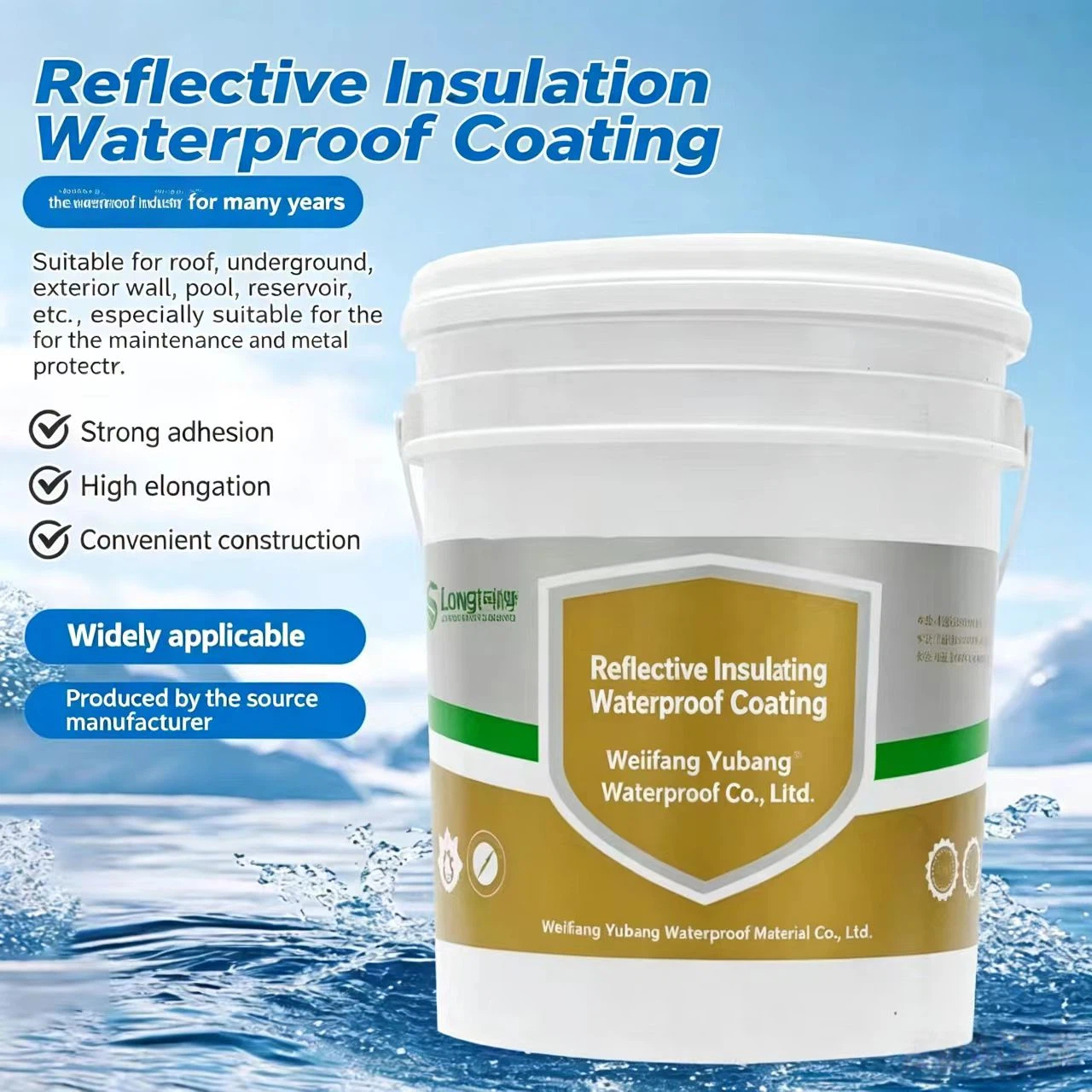
| Hot roof needing heat reduction | Reflective Thermal Insulation Waterproof Coating | Roof surface, target function, color | Used where surface temperature is a concern |
| Bathrooms, kitchens, indoor wet areas | Polymer Cement-Based (JS) Waterproof Coating | Room size, tile adhesion needs | Common for small-scale and interior work |
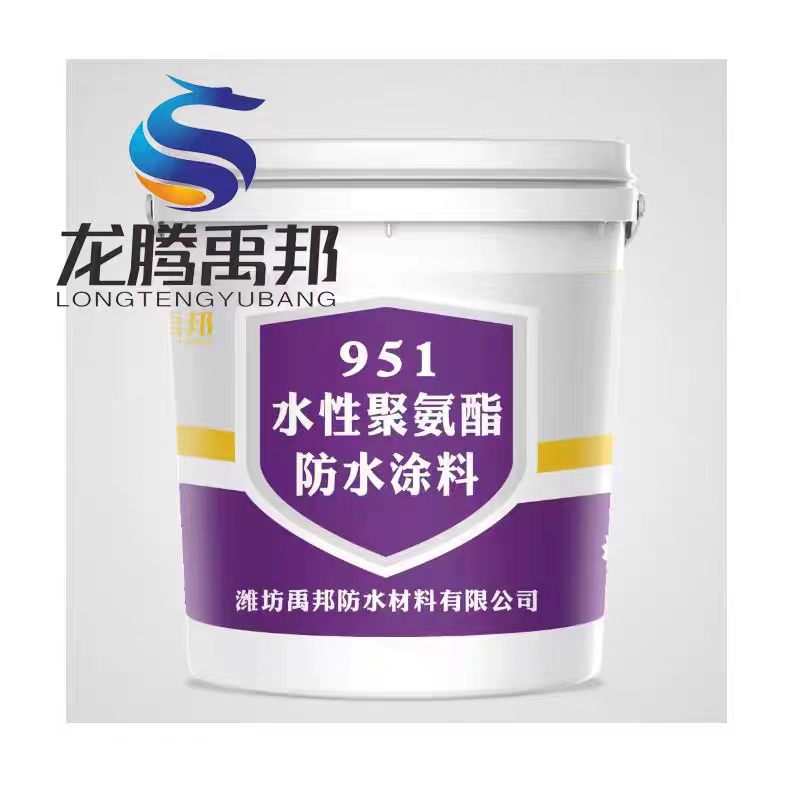
| Complex roofs, irregular structures | Polyurethane Waterproof Coating | Single or double component, thickness | Higher film flexibility; confirm curing conditions |
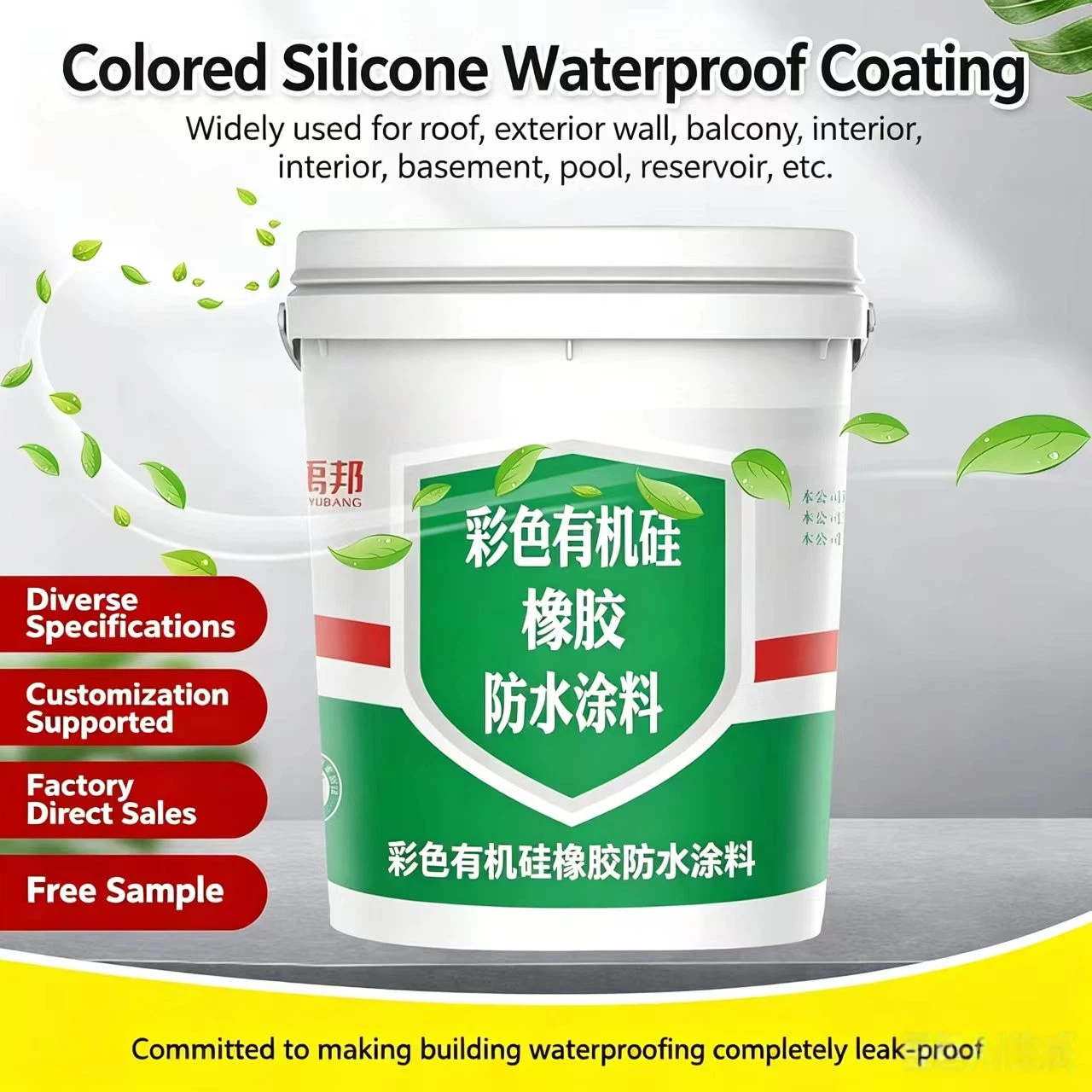
| Wall seepage and old substrate repair | Silicone Waterproof Coating | Substrate condition, breathability need | Often used for facade renovation |
How to choose specifications
Unlike sheet products where you specify roll width and length, liquid coatings are defined mainly by coverage and film build. When preparing a specification, consider the following:
- Coverage and thickness: the coating rate per square meter depends on substrate roughness, number of coats, and required dry film thickness. Confirm total area and desired thickness.
- Reinforcement: decide whether a polyester or fiberglass mesh will be embedded at corners, joints, and cracks.
- Surface and exposure: exposed roofs need UV and weather resistance; interior areas prioritize adhesion under tile or screed.
- Application method: brush, roller, or spray affects consumption and site labor.
- Packing: pail size, weight per pail, pallets per container, and labeling requirements.
- Quantity and destination port: order volume and shipping distance influence packing choice and lead time.
Because shelf life and transport conditions vary for water-based coatings, always confirm storage and climate limits for your destination.
Questions to prepare before requesting a quotation
- What is the total surface area and the type of substrate (concrete, metal, old coating)?
- Is the surface exposed to sunlight, foot traffic, or standing water?
- What dry film thickness or number of coats does your specification require?
- Do you need reinforcing fabric included or quoted separately?
- What color and finish do you need?
- What is your target order quantity and destination port?
- Do you have local standard or certification requirements we should review?
Common mistakes and selection risks
A frequent error is treating every liquid coating as interchangeable. Acrylic, polyurethane, cement-based, and silicone coatings behave differently in curing, elongation, and water exposure. Choosing based only on price per pail can lead to underperformance if coverage or film thickness is misjudged.
Another risk is ordering an exposed-roof coating for a permanently wet or buried application, or applying a water-based product in unsuitable temperature and humidity. Buyers also sometimes forget to plan for detail reinforcement at joints and penetrations, which is where leaks usually start. Confirm the application conditions in writing before finalizing quantity.
Conclusion
If you are sourcing a coating comparable to Sikacoat 500, the most useful step is to define your surface, exposure, and required film build, then match those to the right coating type. Our team can help you compare acrylic, polyurethane, cement-based, and reflective options and recommend a specification based on your project details. Share your area, substrate, and destination port, and we can prepare a tailored product selection and quotation.