Many procurement engineers, contractors, and distributors search for a sikaflex waterproofing membrane when they are trying to solve a specific sealing, roofing, or joint waterproofing problem. This article is written for buyers who want to understand what type of product fits that search, how membranes and sealants differ, and how to prepare a clear inquiry so a manufacturer can quote the right specification.
Sikaflex is a brand name most often associated with polyurethane sealants and joint products. If your project actually needs a sheet waterproof membrane for a roof, basement, or tunnel, you may need a different product category. Below we explain the buyer intent, the common scenarios, and how to select the correct membrane or coating for your conditions.
Understanding the buyer intent behind "sikaflex waterproofing membrane"
Buyers using this keyword usually fall into one of three groups. Some are looking for a branded polyurethane sealant or liquid product for joints and details. Others use "membrane" loosely and actually need a rolled waterproof membrane such as an SBS membrane, APP-type bitumen membrane, or a PVC/TPO/EPDM membrane. A third group needs a combined system: a sheet membrane plus a liquid coating or sealing tape for laps and penetrations.
Before you request a quotation, it helps to separate two questions. First, do you need a large-area waterproofing layer or a localized joint seal? Second, is the surface exposed, buried, or covered by another finish? The answer changes the material category, thickness, and installation method.
Common application scenarios
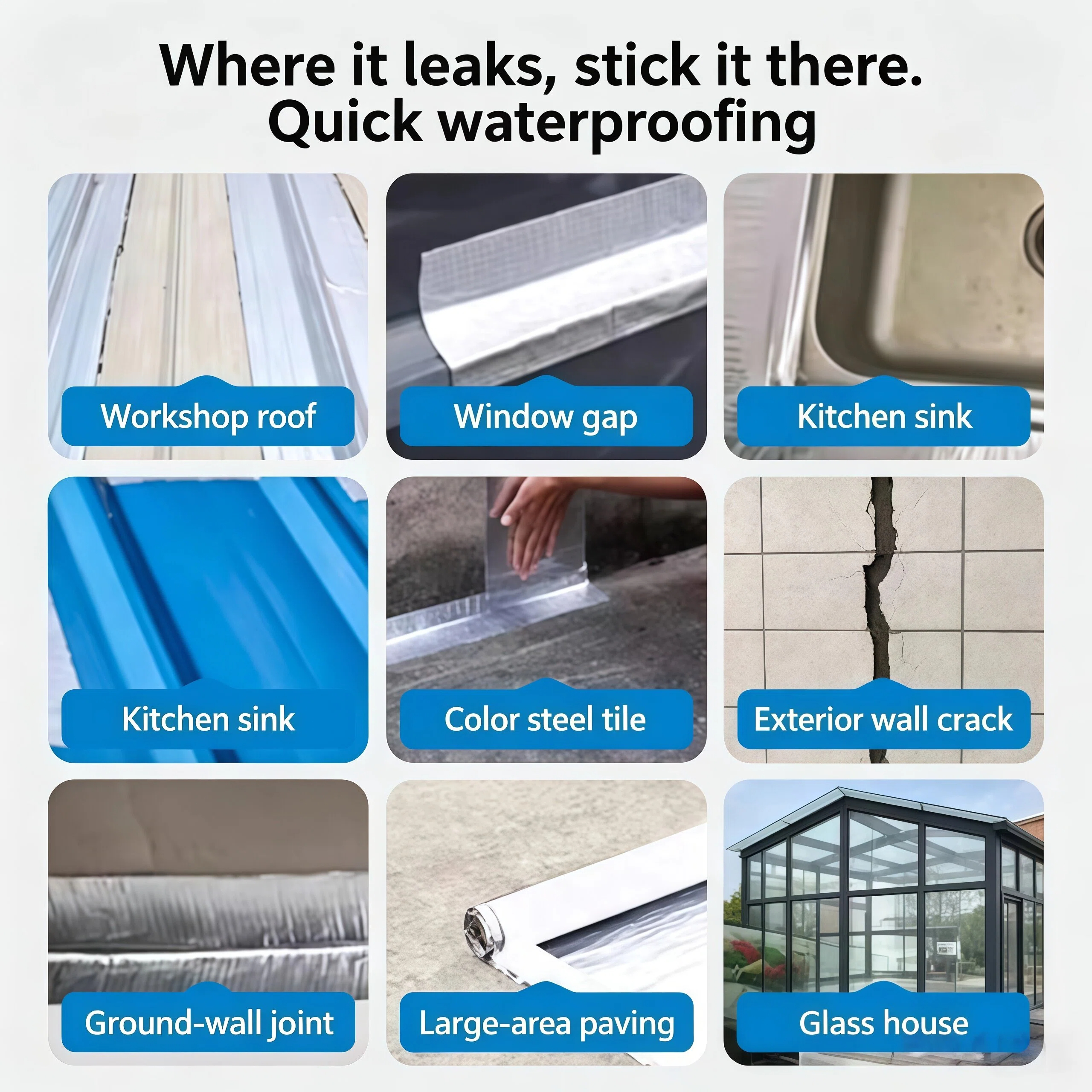
Waterproofing needs vary widely, and the right product depends on substrate, exposure, and climate. Typical scenarios include:
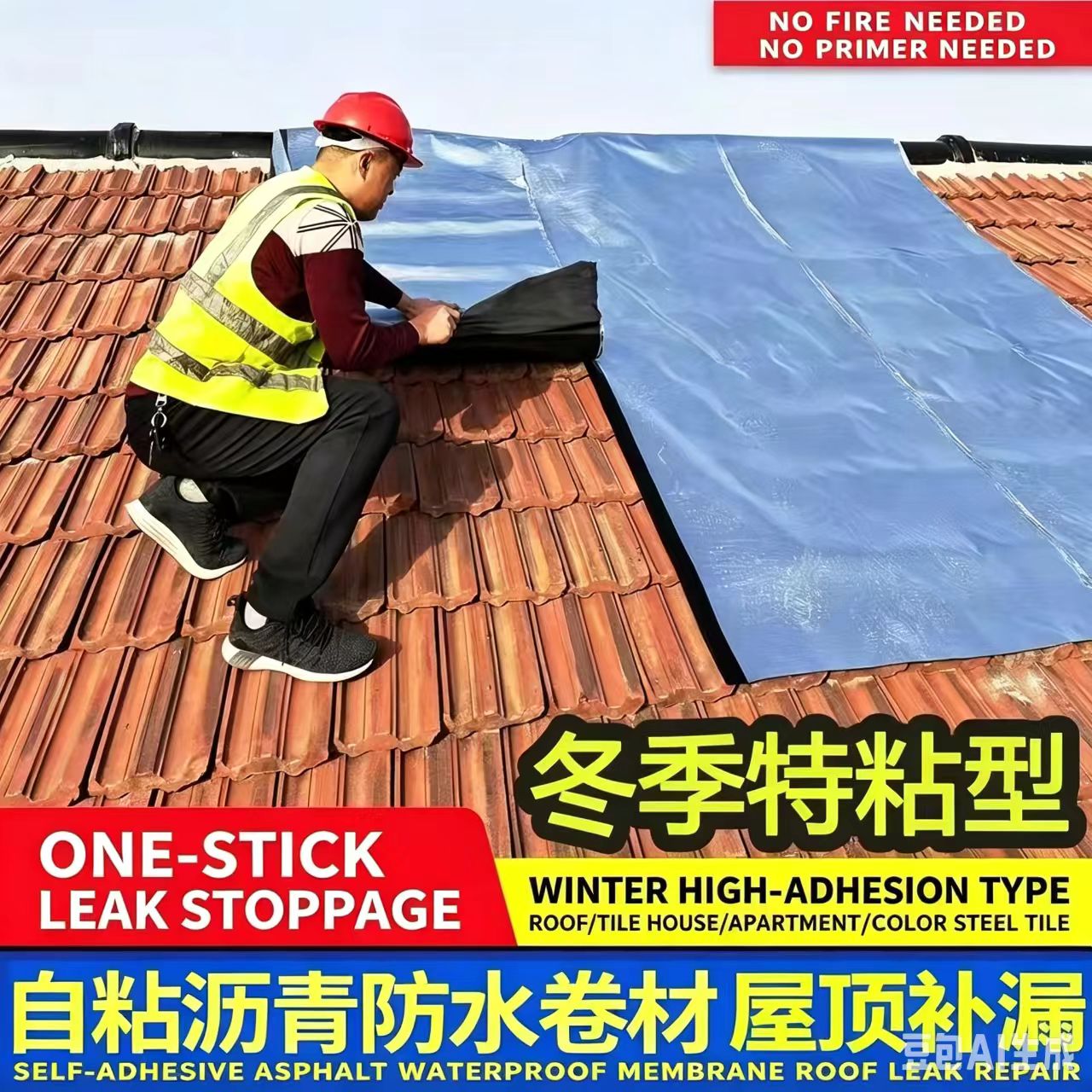
- Roofing waterproofing: Exposed flat roofs, metal color steel tile roofs, and photovoltaic roofs. Options may include bitumen membrane, PVC membrane, TPO membrane, or self-adhesive membrane for metal.
- Basement waterproofing: Floor slabs and side walls, often using pre-applied anti-adhesive membranes or cement-based coatings.
- Tunnels and bridges: Structures that require durable sheet membranes and joint reinforcement.
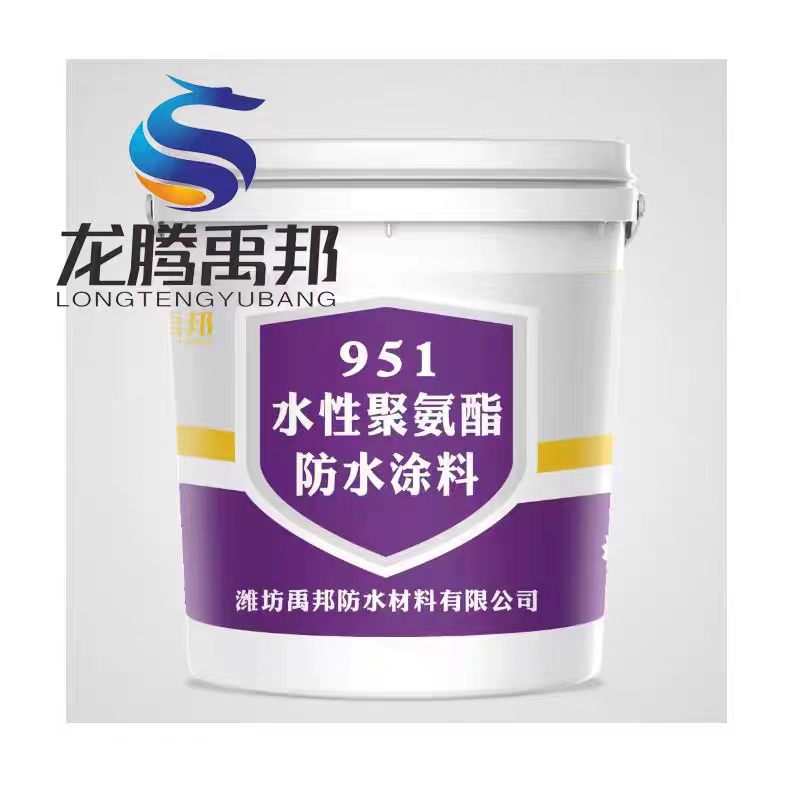
- Joint sealing and detailing: Pipe openings, laps, cracks, and window perimeters, where a self-adhesive tape or polyurethane coating is common.
- Repair and renovation: Old roofs and leaking walls, where liquid coatings or self-adhesive membranes are practical.
Buyer decision table
| Project condition | Material option | What to confirm before inquiry | Notes |
|---|---|---|---|
| Joint sealing, cracks, pipe penetrations | Butyl self-adhesive tape or polyurethane waterproof coating | Joint width, movement, substrate type | Often paired with a sheet membrane, not a full-area solution |
| Exposed flat roof | PVC, TPO, or bitumen membrane | Exposure, climate, thickness, roll size | Confirm whether the roof is walkable or ballasted |
| Metal / color steel tile roof | Self-adhesive membrane for color steel tiles | Substrate condition, old or new roof | Surface preparation affects adhesion |
| Basement floor and walls | Pre-applied anti-adhesive membrane or cement-based coating | Positive or negative side, water table | Pre-applied type suits blind-side application |
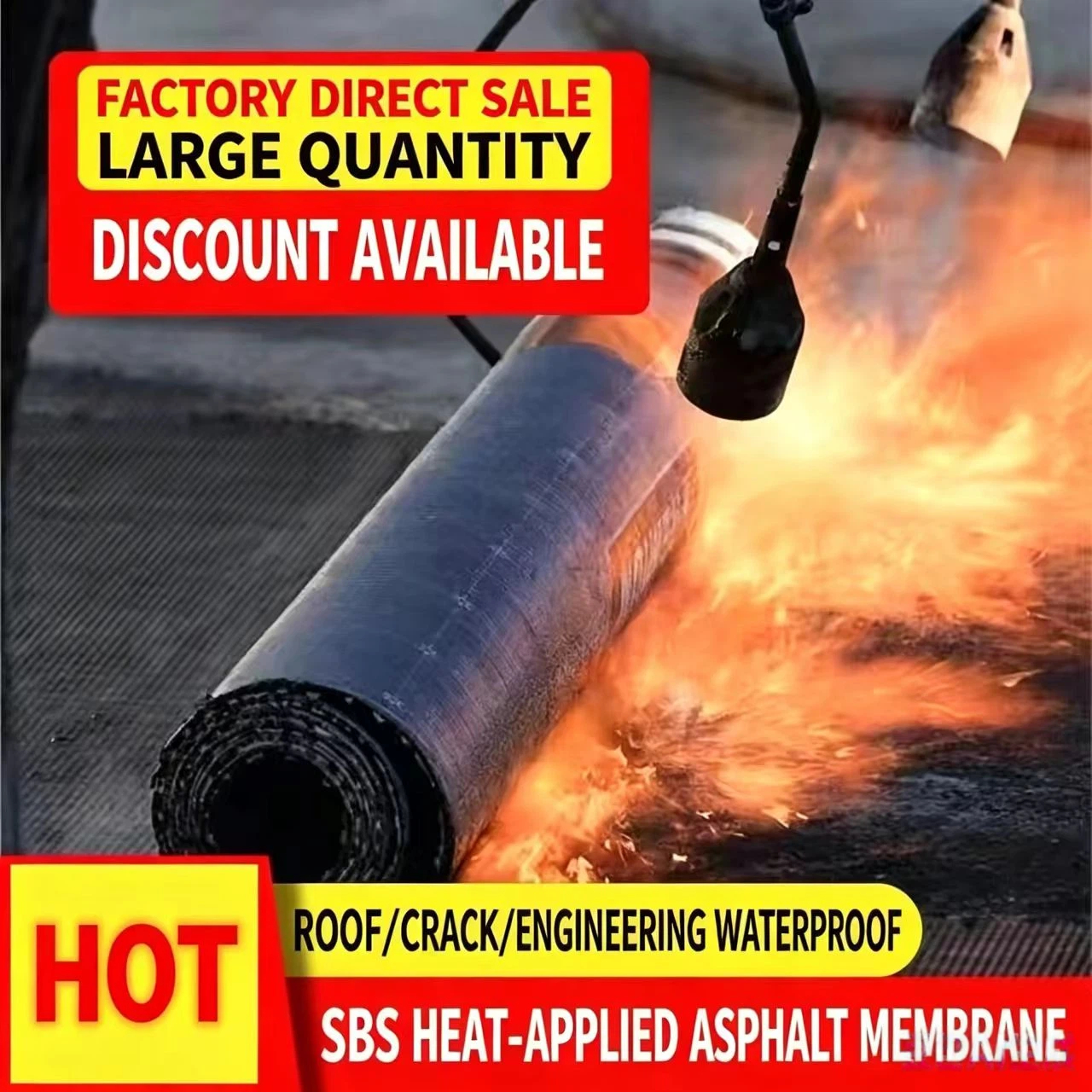
| Tunnels, bridges, infrastructure | SBS membrane or non-curing coating with membrane | Cold or hot climate, load, thickness | Climate influences bitumen modifier choice |
How to choose the right specification
Once the material category is clear, the specification details determine the quotation. For sheet membranes, confirm thickness, roll width and length, surface finish (mineral, sand, film, or foil), and any reinforcement such as polyester or fiberglass carrier. Also confirm the installation method, since torch-applied, self-adhesive, and mechanically fixed systems require different products.
For liquid coatings and sealants, the key factors are single or double component, coverage per coat, cure conditions, and whether reinforcement fabric is needed at joints. Packing and quantity should be confirmed early, because roll or pail packaging affects container loading and freight. Always state your destination port so packing and palletizing can be planned. Final specification should be confirmed against your local standard or project drawings.
Questions to prepare before requesting a quotation
- Is this for large-area waterproofing, joint sealing, or both?
- What is the substrate: concrete, metal, existing membrane, or mortar?
- Is the surface exposed, buried, or covered by another layer?
- What is the climate at the site, including temperature extremes?
- What thickness or coverage does your specification require?
- What total quantity and roll or pail size do you need?
- What is the destination port and preferred packing?
- Do you require a matching sealant, tape, or coating for details?
Common mistakes and selection risks
A frequent error is treating a joint sealant and a large-area membrane as interchangeable. A sealant seals movement joints and penetrations, while a membrane covers broad surfaces. Using the wrong one for the wrong purpose leads to leaks or wasted material.
Another risk is ordering a membrane without confirming the installation method. A torch-applied bitumen membrane and a self-adhesive membrane look similar in a catalog but require different site conditions. Open-flame work may not be allowed on some projects, in which case a self-adhesive or cold-applied product is safer.
Buyers also sometimes overlook climate. Membrane behavior in cold versus hot regions differs, and the modifier or membrane type should match. When in doubt, share the project details and let the supplier recommend a specification rather than guessing.
Getting product selection support
If you are unsure whether your project needs a sealant, a sheet membrane, or a combined system, send your substrate, exposure, climate, and quantity details. Our team can help match a suitable membrane or coating and confirm the specification, packing, and export details for your destination. The goal is a correct fit for your project, not a single fixed answer.