This article is written for waterproofing contractors, procurement engineers, distributors, and project buyers who are researching a sikalastic membrane and want to understand where liquid-applied membranes fit against sheet membranes and other waterproof coatings. The goal is to help you frame a clear inquiry, not to push a single product.
"Sikalastic" is a well-known brand line of liquid-applied waterproofing. If you searched for it, you are likely comparing a seamless liquid coating system with roll-based membranes for a specific roof, deck, or repair job. Below we explain the buyer intent, typical uses, and how to translate your project into a specification your supplier can quote accurately.
Understanding the buyer intent behind "sikalastic membrane"
Most people who search this keyword fall into one of three groups. Some are looking to source the exact branded product for a specification that already names it. Others are comparing liquid-applied systems against sheet options such as a bitumen membrane or a self-adhesive membrane. A third group is looking for a functionally similar liquid or coating alternative for detailing, repair, or complex geometry where rolls are difficult to lay.
Knowing which group you belong to changes the conversation. If a project drawing specifies a named brand, substitution usually needs approval. If you are open to alternatives, then substrate type, exposure, and application method matter more than the brand name. A liquid membrane is often chosen for irregular structures, upstands, and detailing, while sheet membranes remain common for large flat areas of roofing waterproofing and basement waterproofing.
Common application scenarios
Liquid-applied membranes and their sheet or coating counterparts are used across many construction stages. Typical scenarios include:
- Exposed roofs and terraces where a continuous surface without seams is preferred, or where a reflective or elastic coating is needed.
- Detailing and penetrations such as pipes, drains, and upstands, where a liquid coating conforms to shapes that rolls cannot easily follow.
- Repair and refurbishment of aging roofs, including metal and color steel tile roofs, where an existing surface needs re-sealing.
- Basements and below-grade structures, often using sheet membranes for the main area and liquid coatings for reinforcement at joints.
- Balconies, wet rooms, and pools, where cement-based or polymer coatings are frequently specified.
For large uniform areas, a sheet system such as an APP membrane, SBS membrane, or a single-ply PVC, TPO, or EPDM membrane is often more economical. Liquid systems and coatings tend to add value in complex, detailed, or repair-focused work.
Buyer decision table
| Project condition | Material option | What to confirm before inquiry | Notes |
|---|---|---|---|
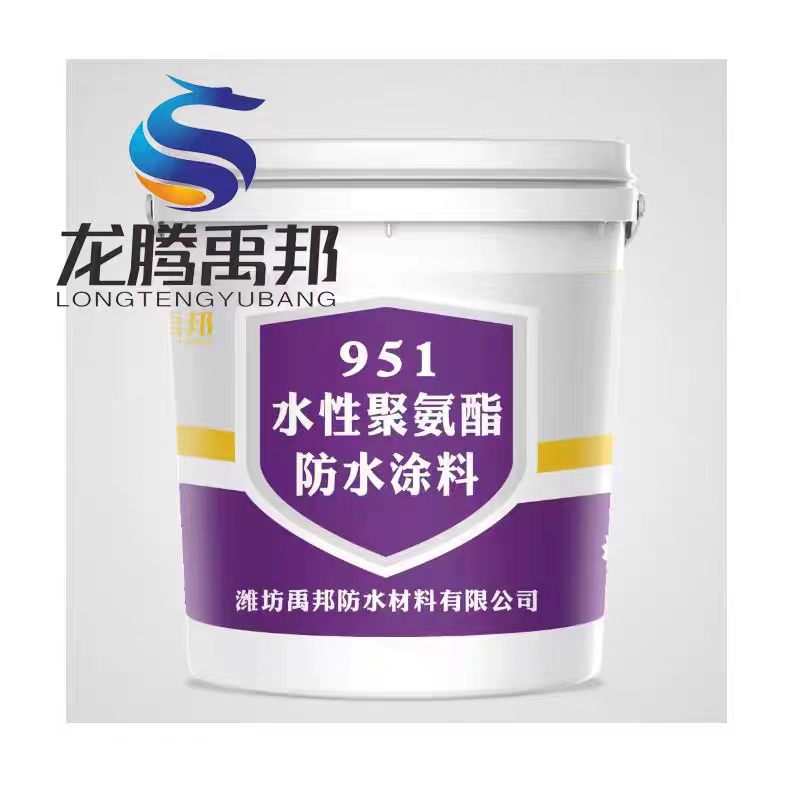
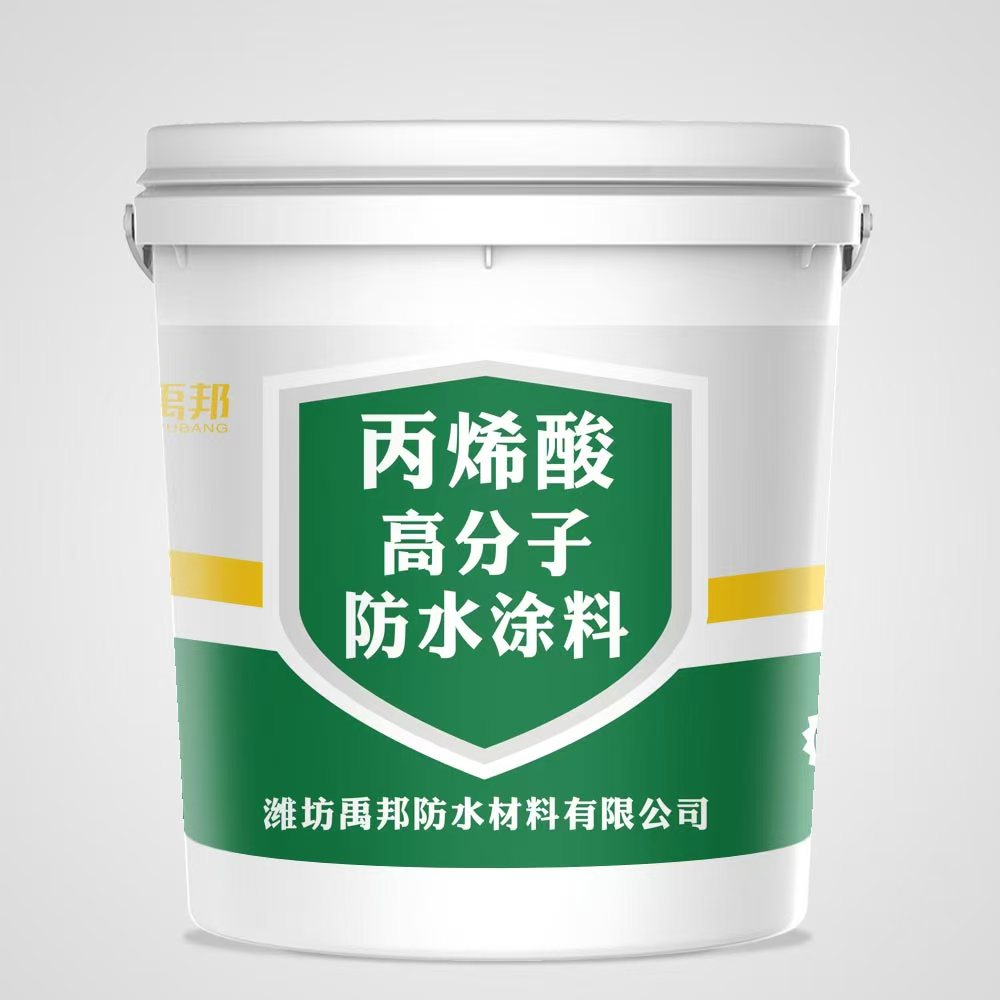
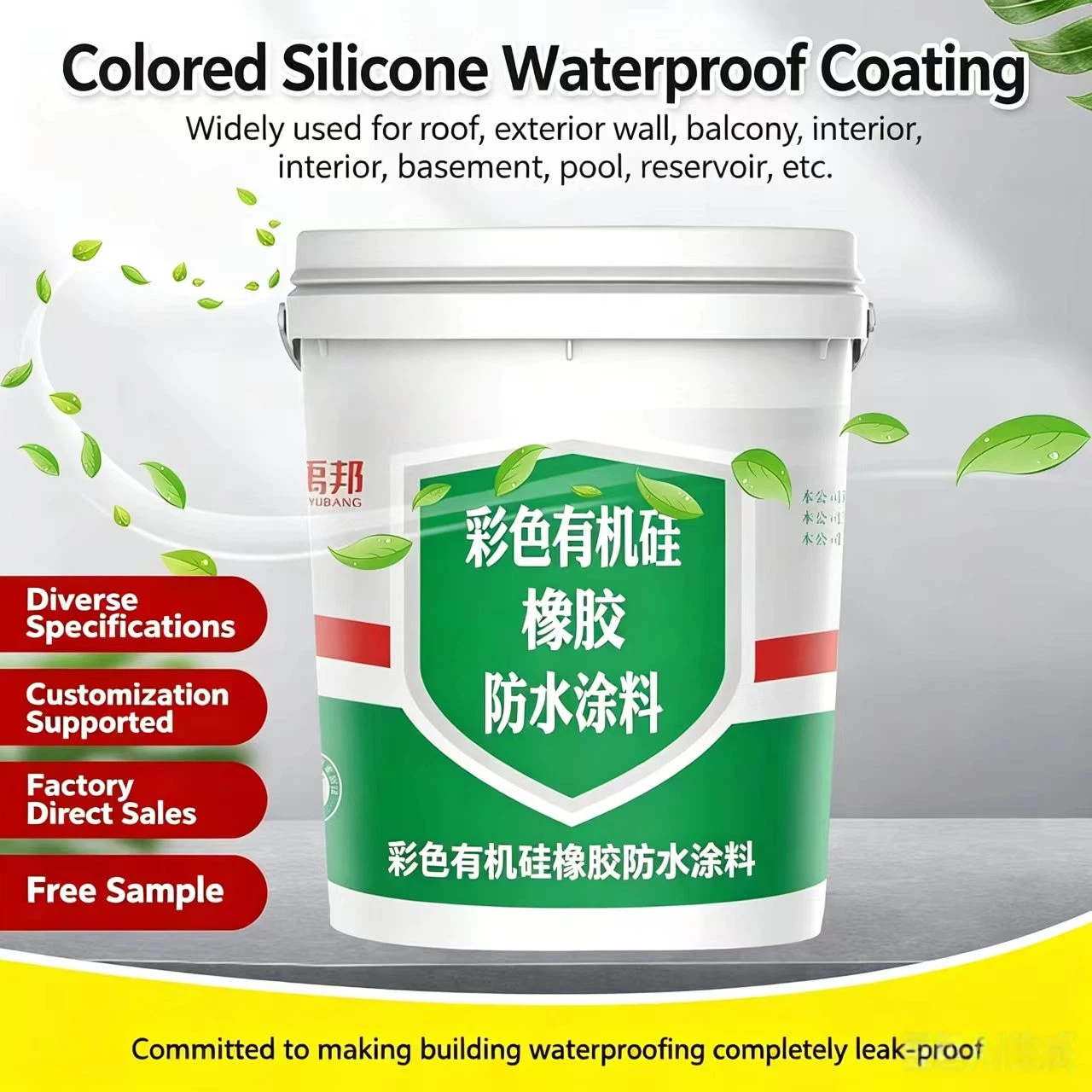
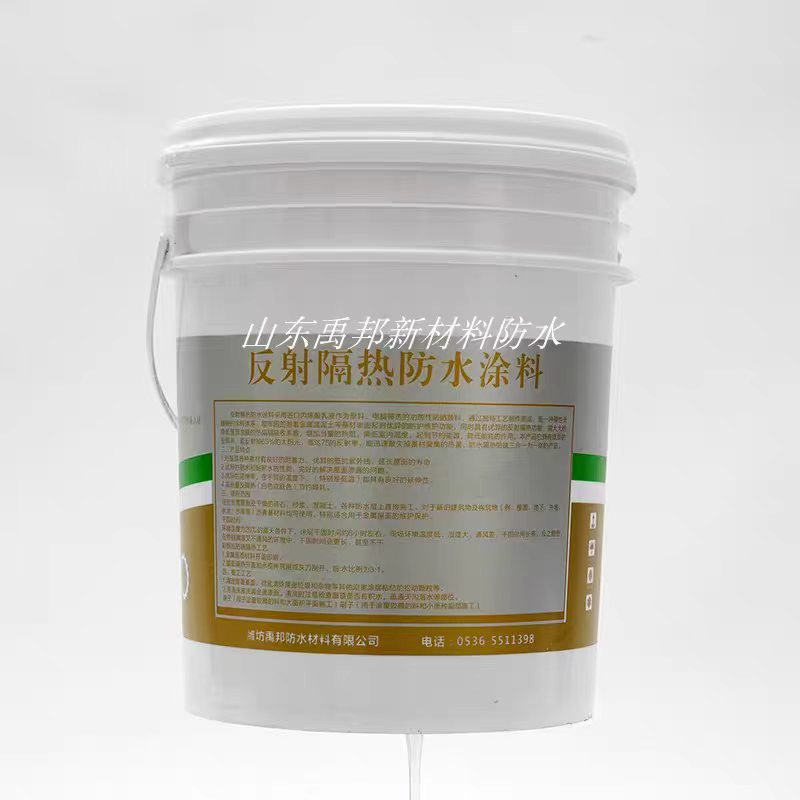
| Complex roof geometry, many penetrations | Liquid waterproof coating (e.g. polyurethane or acrylic elastic) | Substrate type, primer needs, dry film thickness, area in m² | Seamless finish suits detailing; curing conditions matter |
| Large flat exposed roof | PVC, TPO or SBS membrane | Roll width/length, thickness, fixing method, insulation | Sheet systems often more cost-effective on wide areas |
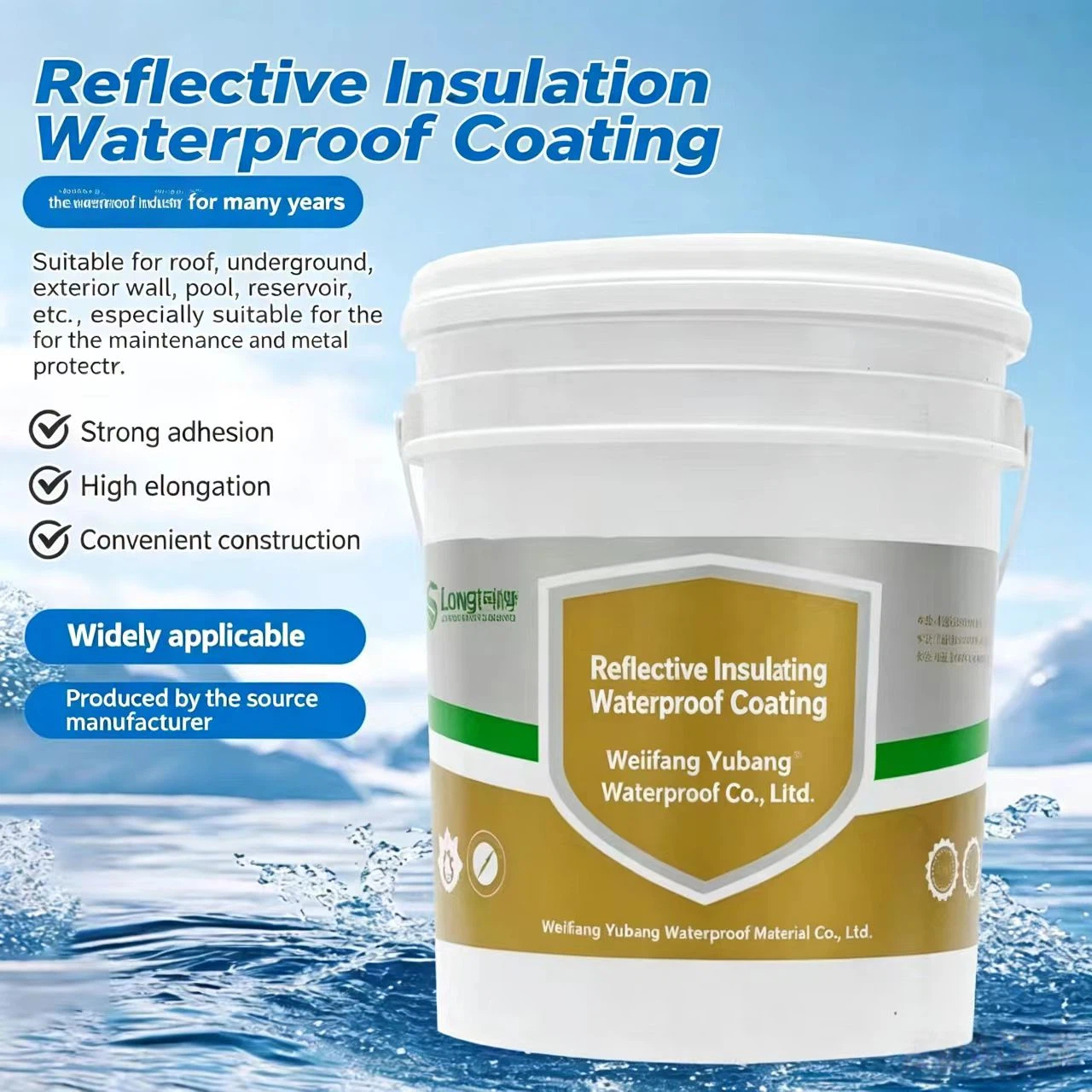
| Metal / color steel tile roof repair | Self-adhesive membrane for color steel or reflective coating | Panel profile, overlap widths, surface condition | Confirm compatibility with existing coating |
| Basement and below-grade | Pre-applied or self-adhesive bitumen membrane | Positive/negative side, water table, substrate | Combine with coating at joints for reinforcement |
| Joint sealing and reinforcement | Non-curing rubber asphalt or butyl tape | Gap width, movement, adjacent materials | Usually a supporting layer, not standalone |
How to choose specifications
Because liquid systems are sold by coverage and coatings behave differently from rolls, describe your project in measurable terms. Points to define include:
- Coverage or thickness: for liquid coatings, target dry film thickness and consumption per m²; for sheet membranes, roll thickness such as 1.2, 1.5, or heavier grades.
- Roll width and length: relevant when comparing with sheet membranes for layout and waste planning.
- Surface finish: exposed vs. covered, mineral or smooth finish, or reflective requirements.
- Reinforcement: whether a fabric or polyester reinforcement layer is needed within a liquid system.
- Installation method: cold-applied, torch-applied, self-adhesive, or brush/roller/spray for coatings.
- Packing and quantity: pail size or roll count, total order volume, and palletization.
- Destination port and climate: hot, cold, or humid conditions affect material choice and shipping considerations.
These details should be confirmed against your local specification and site conditions. Any specific service life, temperature range, or compliance requirement should be verified with technical data for the exact product you finally select.
Questions to prepare before requesting a quotation
- Is a brand name required by the specification, or are equivalent products acceptable?
- What is the substrate: concrete, metal, existing membrane, or mixed?
- Is the area exposed to UV, or will it be covered or buried?
- What is the total area in square meters and the number of details or penetrations?
- Which installation method is available on site: cold liquid, torch, or self-adhesive?
- What thickness or coverage rate does your specification call for?
- What is the destination port, expected climate, and preferred packing?
- What quantity and delivery timing do you need?
Common mistakes and selection risks
A frequent error is comparing a liquid system to a sheet membrane on price per unit without accounting for coverage, number of coats, and detailing labor. Another risk is applying a coating over an incompatible or dirty substrate, which affects adhesion; surface preparation and priming should always be confirmed. Buyers also sometimes overlook curing conditions, since liquid membranes depend on temperature and humidity during application.
When substituting a named product with an alternative, confirm that the replacement meets the intended function and any approvals required for the project. Do not assume equivalence based on appearance. Finally, avoid ordering before layout, thickness, and packing are settled, as changes after production increase cost and lead time.
Conclusion: get selection support before you order
Choosing between a liquid-applied membrane and a sheet or coating alternative depends on your substrate, exposure, geometry, and budget, not on brand name alone. If you share your project conditions, area, and destination, our team can help match a suitable material option and clarify specification details before you commit to an order. Reach out with your drawings or site description for product selection support.