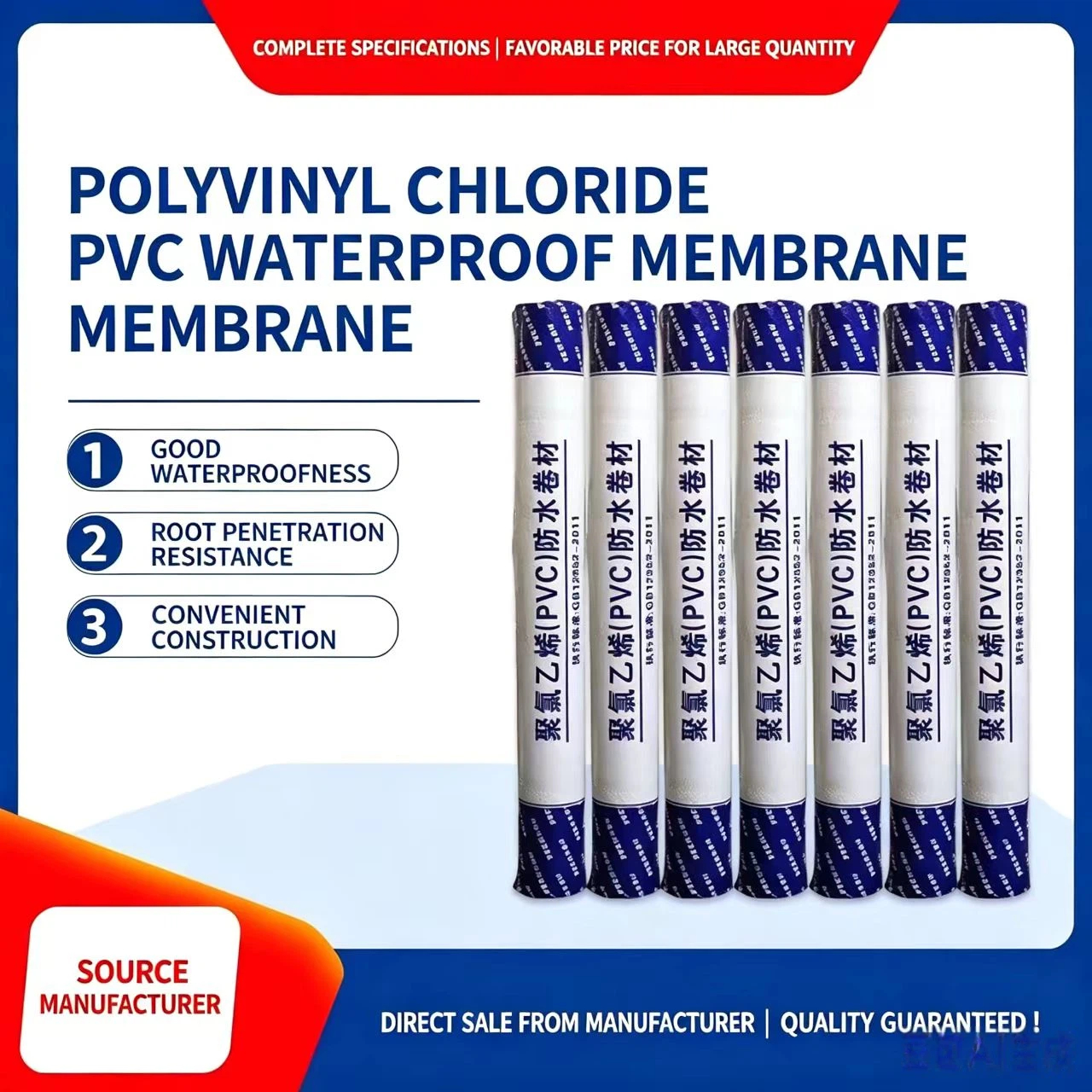
This guide is written for contractors, procurement engineers, distributors, and project buyers who are comparing single-ply roofing systems and want to understand where TPO fits. If you are sourcing membrane for exposed roofs, photovoltaic installations, or large factory structures and need to specify the right product, the notes below should help you frame your inquiry.
TPO membrane waterproofing is one of several thermoplastic options on the market, alongside PVC membrane and rubber-based systems such as EPDM. The goal here is not to declare a single winner, but to help you match the material to your project condition, substrate, and climate before you request pricing.
Understanding the buyer intent behind TPO membrane waterproofing
When buyers search for TPO membrane waterproofing, they usually fall into a few groups. Some are comparing TPO against PVC or EPDM for a specific roof. Others already know they want TPO and need to confirm thickness, reinforcement, and roll sizes for a tender. A third group is sourcing for resale and wants a supplier who can support export documentation and packing.
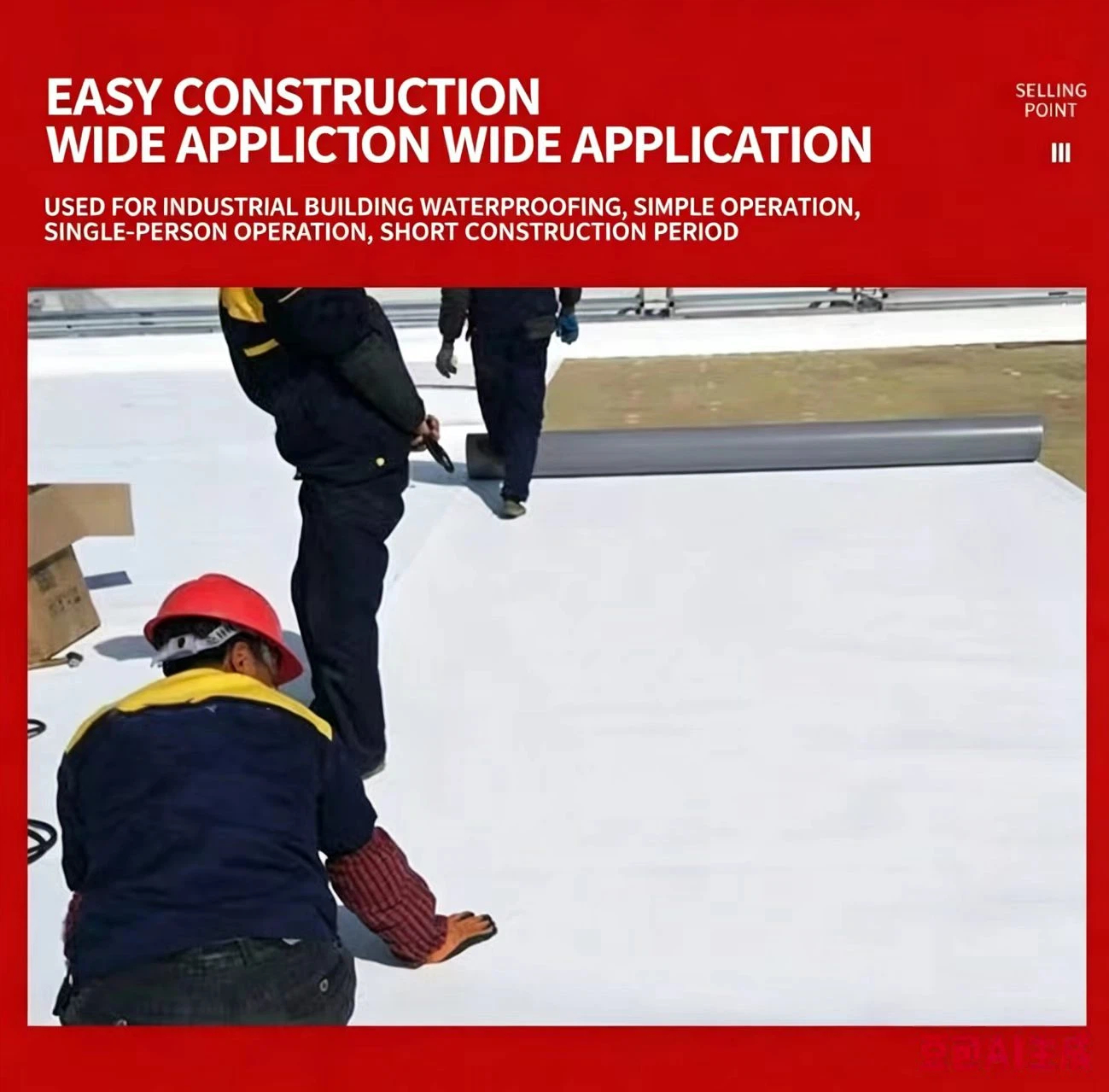
TPO (thermoplastic polyolefin) is a single-ply, heat-weldable waterproof membrane often used on exposed roofs. Because seams are hot-air welded rather than glued, installation quality depends heavily on equipment and crew skill. If your team has not installed thermoplastic membrane before, factor that into your planning and confirm details with your supplier.
Common application scenarios for TPO membrane
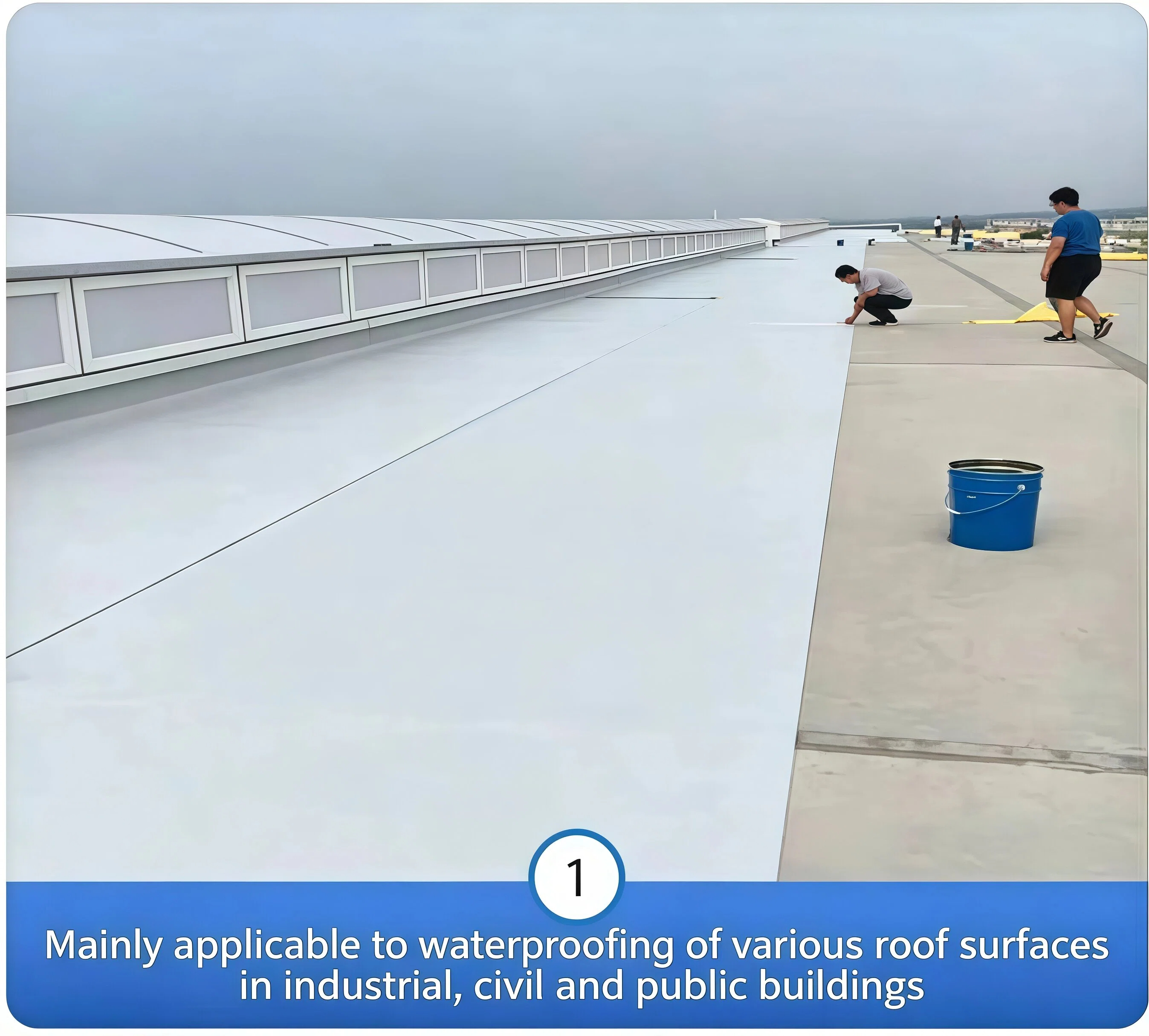
TPO membrane is commonly specified for the following situations. Whether it is the correct choice still depends on substrate, exposure, and local specification.
- Exposed flat and low-slope roofs on commercial and industrial buildings where a mechanically fastened or adhered single-ply system is preferred.
- Photovoltaic (solar) roofs, where a durable, weldable surface is needed under and around panel mounting systems.
- Large factory and warehouse roofs that require wide rolls to reduce the number of seams.
- Basements and municipal pipe corridors, depending on the detailing and system design.
For metal roof repair or color steel tile projects, a self-adhesive membrane may be more practical than TPO. For heavy municipal or high-temperature applications, bitumen membrane systems such as APP or SBS membrane are sometimes preferred. Confirm the intended use with your technical contact before ordering.
Buyer decision table
| Project condition | Material option | What to confirm before inquiry | Notes |
|---|---|---|---|
| Exposed commercial roof, large area | TPO membrane | Thickness, reinforcement type, roll width, fixing method | Hot-air welded seams; requires trained crew |
| Exposed roof, chemical or corrosive area | PVC membrane | Chemical exposure details, thickness | Confirm compatibility with the specific chemicals on site |
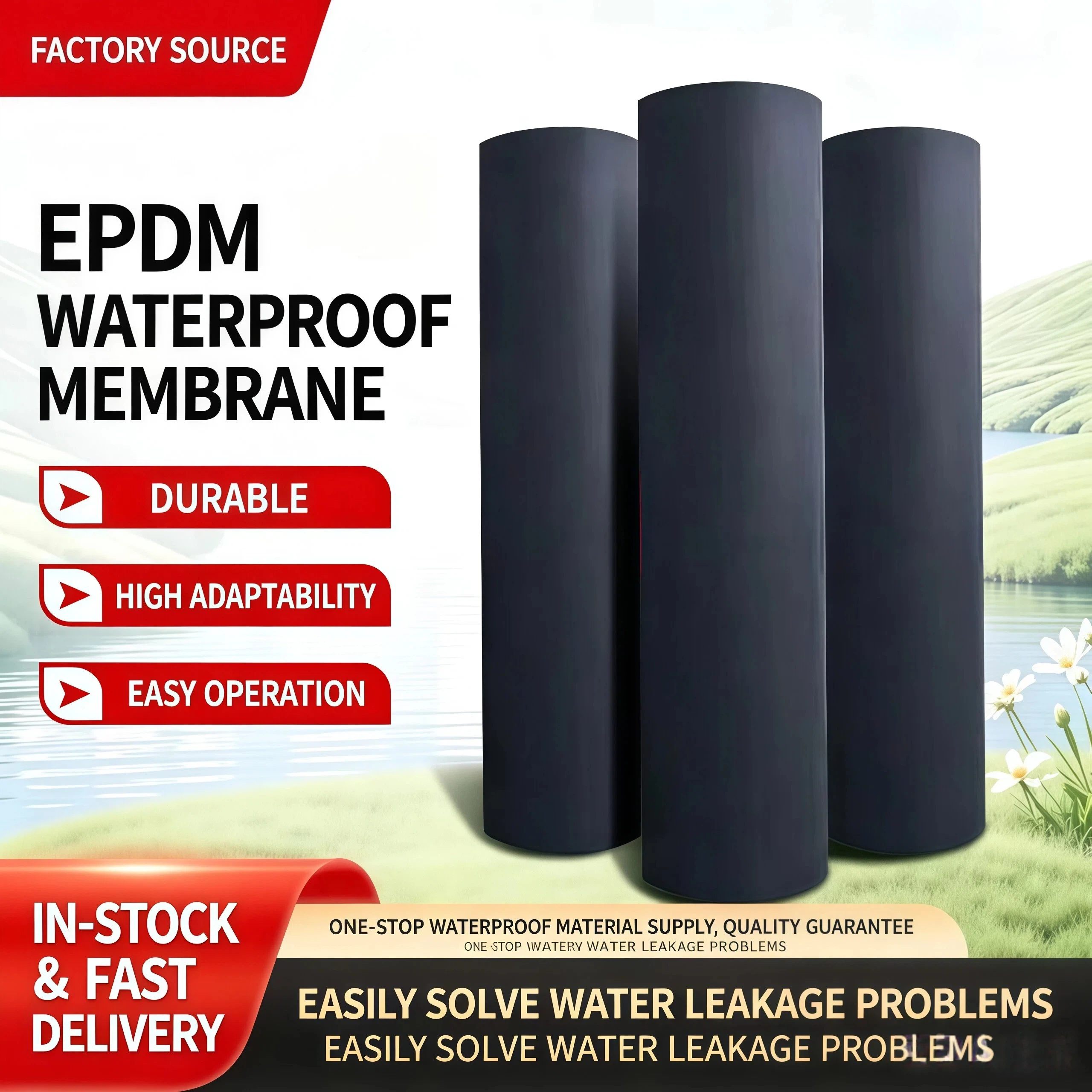
| Roof needing high elasticity across climates | EPDM membrane | Seam method, thickness, substrate | Rubber-based, different jointing than TPO |
| Metal / color steel tile roof repair | Self-adhesive membrane for metal roofs | Substrate condition, overlap detailing | Often faster for renovation work |
| Cold-region roofing or basement | SBS modified bitumen membrane | Application method, exposed or covered | Suited to lower temperatures; torch or self-adhesive types exist |
How to choose TPO specifications
Once TPO is confirmed as the right family, the specification details drive both price and performance. Discuss the following with your supplier:
- Thickness: Common membrane thicknesses vary by project. Thicker membrane is often specified for higher durability or foot traffic, but the required value should follow your project specification.
- Roll width and length: Wider rolls reduce seams on large roofs but can be harder to handle. Confirm what your crew and site access can manage.
- Reinforcement: Many TPO membranes are reinforced with a polyester or glass fiber scrim. Non-reinforced grades exist for detailing. State which you need.
- Surface and color: Confirm the finish and color, especially for reflective or photovoltaic roofs.
- Installation method: Mechanically fastened, fully adhered, or ballasted systems require different accessories and quantities.
- Packing and quantity: Clarify rolls per pallet, container loading, and total area required.
- Destination port: Share this early so freight and lead time can be estimated.
Questions to prepare before requesting a quotation
- What is the total waterproofing area, and is it one project or a series?
- What is the substrate (concrete, metal deck, insulation board)?
- Is the roof exposed, ballasted, or covered?
- What thickness and reinforcement does your specification require?
- Which installation method will the crew use, and do you need welding equipment or accessories?
- What roll width and length suit your site handling?
- What is your destination port and preferred packing?
- Do you need specific documentation for customs or the project owner?
Common mistakes and selection risks
A few recurring issues cause problems on TPO projects. Being aware of them helps you write a clearer inquiry.
- Ignoring installation skill: TPO relies on welded seams. Poor welding is a common source of leaks, so confirm crew experience and equipment.
- Assuming all single-ply is the same: TPO, PVC, and EPDM are welded or joined differently and behave differently with chemicals and UV. Do not swap them without checking the specification.
- Ordering by area only: Overlaps, detailing, and waste mean you need more than the flat surface area. Discuss the coverage factor with your supplier.
- Skipping detailing materials: Corners, penetrations, and terminations often need accessories or a coating such as a non-curing or polyurethane product for reinforcement.
- Missing packing and port details: Late destination information delays quotations and shipping.
Getting the right selection support
If you are still deciding between TPO and other membrane systems, the most useful step is to describe your project condition, substrate, climate, and required quantity. With that information, our team can help you confirm whether TPO membrane waterproofing suits your project or whether a PVC, EPDM, or bitumen membrane option fits better, and then recommend a matching specification and packing plan. Reach out with your project details for tailored product selection support.