This article is written for contractors, procurement engineers, roofing companies, and distributors who are comparing single-ply membrane options and need to decide whether a TPO waterproofing membrane fits their project. It focuses on real specification and sourcing questions rather than general marketing claims.
If you are preparing an inquiry for an exposed roof, a photovoltaic installation, or a large industrial building, the details below should help you define thickness, reinforcement, packing, and destination requirements before you contact a supplier.
Buyer intent behind "tpo waterproofing membrane"
When buyers search for a TPO waterproofing membrane, they are usually evaluating a thermoplastic polyolefin single-ply system against alternatives such as PVC, EPDM, or bituminous solutions. The intent is often one of three: comparing membrane types for a new exposed roof, sourcing material for a photovoltaic or factory roof where hot-air welded seams are preferred, or requesting a quotation with a defined thickness and roll size.
TPO membrane is a heat-weldable single-ply sheet commonly used where a light-colored, exposed surface and welded seam are desired. Whether it is the right choice depends on your substrate, climate, service conditions, and local specification, so the goal here is to help you frame those variables clearly.
Common application scenarios
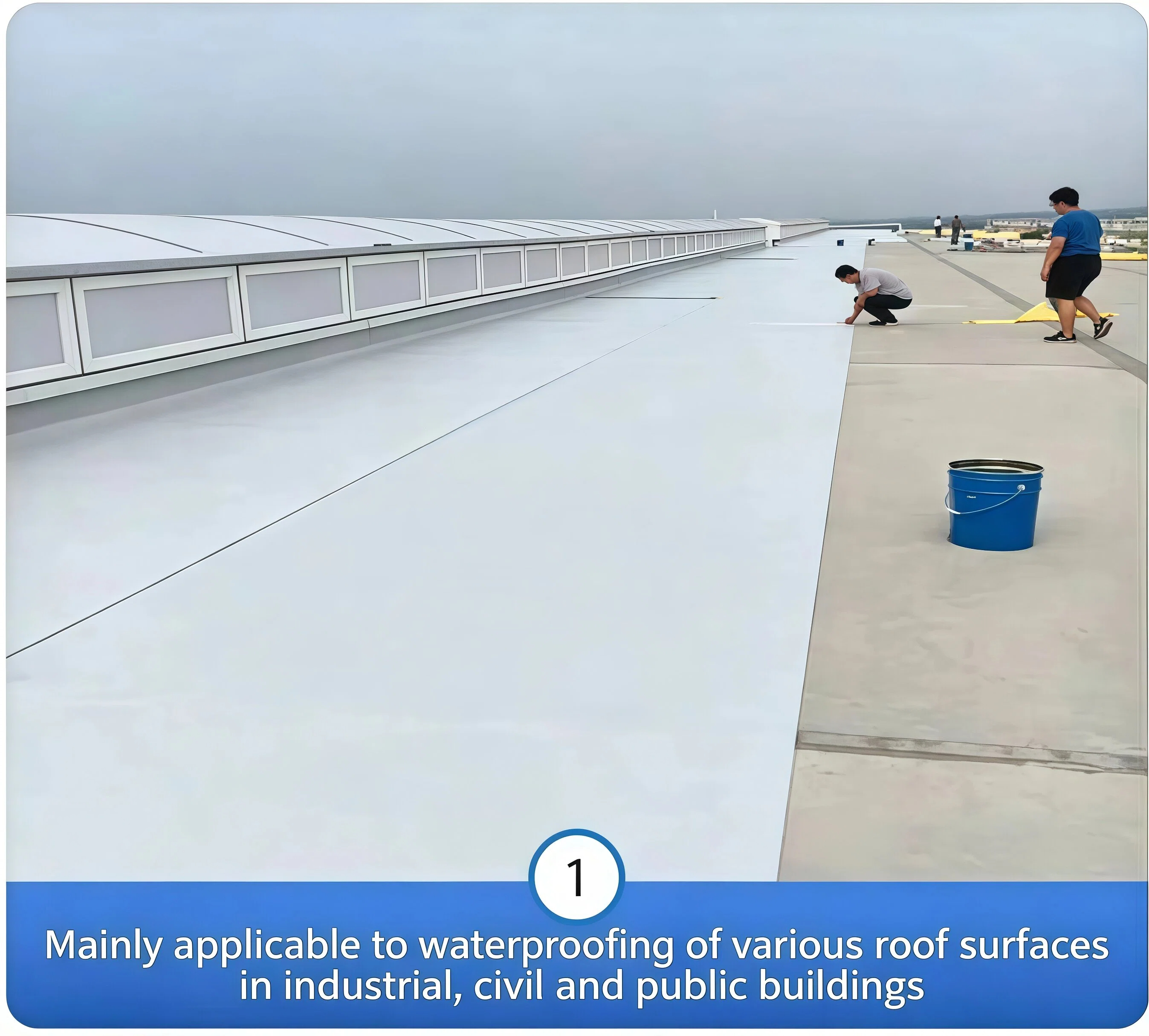
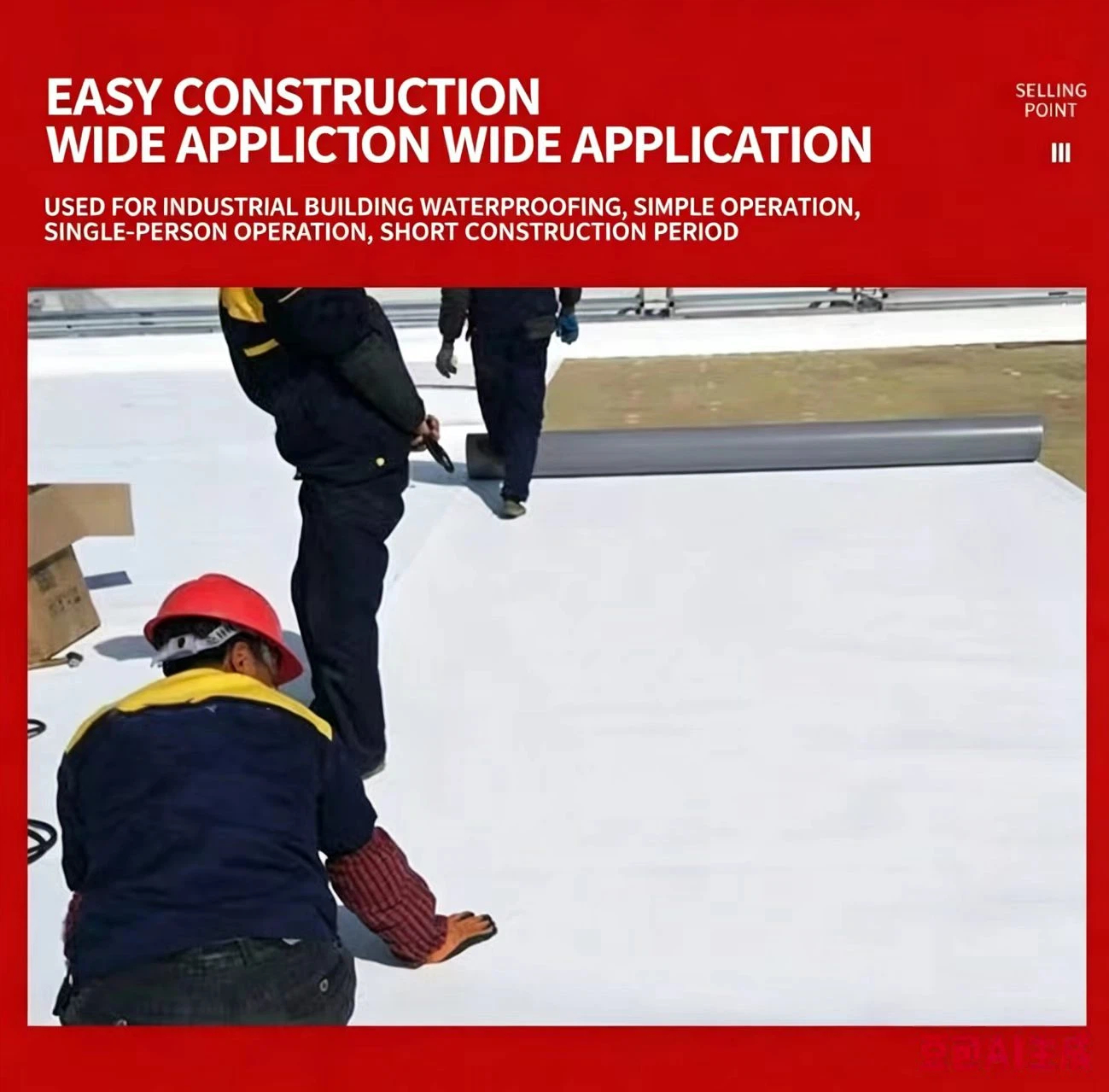
TPO waterproofing membrane is frequently specified for exposed roofing where mechanical fastening or adhesion to insulation and decking is planned. Typical scenarios include:
- Exposed flat and low-slope roofs on commercial and industrial buildings.
- Photovoltaic (solar) roofs where a welded single-ply surface supports later panel mounting.
- Large factory and warehouse roofs requiring wide sheets to reduce seam count.
- Basements and municipal pipe corridors, depending on the detailing and specification.
For metal roof repair, color steel tile overlaps, or small wet-area waterproofing, other systems such as self-adhesive membranes or coatings are often more suitable. The correct match should always be confirmed against the substrate and installation method.
Buyer decision table
| Project condition | Material option | What to confirm before inquiry | Notes |
|---|---|---|---|
| Exposed low-slope roof, welded seams | TPO membrane | Thickness, reinforcement type, fastening or adhered method | Hot-air welding equipment and trained crew required |
| Chemical or corrosive exposure roof | TPO or PVC membrane | Chemical exposure details, membrane compatibility | Confirm suitability with technical data for the specific exposure |
| Photovoltaic roof | TPO membrane | Panel mounting method, walkway and load points | Detailing at penetrations matters more than sheet alone |
| Cold-region exposed roof | TPO or SBS bitumen membrane | Climate range, installation season | Compare handling and welding conditions in low temperatures |
| Metal / color steel tile roof | Self-adhesive membrane or coating | Substrate condition, overlap sealing | Single-ply welded systems are less common on profiled metal |
How to choose specifications
Once TPO is confirmed as a candidate, define the specification so quotations are comparable. Key points to specify:
- Thickness: Membrane thickness affects welding, durability under foot traffic, and price. Match it to project requirements and any local specification.
- Reinforcement: Reinforced (scrim or fleece-backed) versus non-reinforced sheets serve different fastening and adhesion methods.
- Roll width and length: Wider rolls reduce seam count on large roofs; confirm what the installation crew can handle.
- Surface and color: Light-colored exposed surfaces are common, but confirm the finish needed for the application.
- Installation method: Mechanically fastened, fully adhered, or ballasted systems change the accessory list.
- Packing and quantity: Rolls per pallet, container loading, and total area affect freight planning.
- Destination port: Share this early so packing, lead time, and logistics can be quoted accurately.
Questions to prepare before requesting a quotation
- What is the total roof or surface area, and is the roof new construction or a renovation?
- What thickness and reinforcement type does your specification call for?
- Which installation method is planned: mechanically fastened, adhered, or ballasted?
- What are the climate conditions and expected exposure at the site?
- Do you require accessories such as welding rod, fasteners, or edge details?
- What roll width suits your crew, and what quantity and destination port apply?
Common mistakes and selection risks
A frequent issue is comparing membranes on price per square meter without matching thickness, reinforcement, and installation method, which makes quotations misleading. Another is assuming any single-ply sheet welds the same way; TPO and PVC are chemically different and are not welded to each other. Buyers also sometimes overlook detailing at penetrations, parapets, and drains, where most leaks begin regardless of the field membrane quality.
Ordering without confirming crew capability is another risk. Welded systems need proper equipment and trained applicators, so the material choice and the installation plan should be decided together. Finally, confirm packing and container fit before finalizing quantity to avoid freight surprises.
Getting selection support
If you are still comparing a TPO waterproofing membrane against other single-ply or bituminous options, share your substrate, area, climate, installation method, and destination port. With those details, our team can help match a suitable specification and prepare an accurate quotation instead of a generic one. Reach out with your project data when you are ready to narrow the choice.