This article is written for contractors, procurement engineers, distributors, and project buyers who need to source a water proof membrane for roof applications and want to make a clear specification decision before contacting a supplier. If you are comparing bitumen membrane, PVC/TPO/EPDM systems, or self-adhesive membrane options, the goal here is to help you match the right product to your project conditions.
Roofing waterproofing failures are usually caused by the wrong material choice for the climate or substrate, not by a single bad roll. Getting the selection right at the inquiry stage saves time, reduces rework, and makes quotations more accurate.
Understanding the buyer intent behind "water proof membrane for roof"
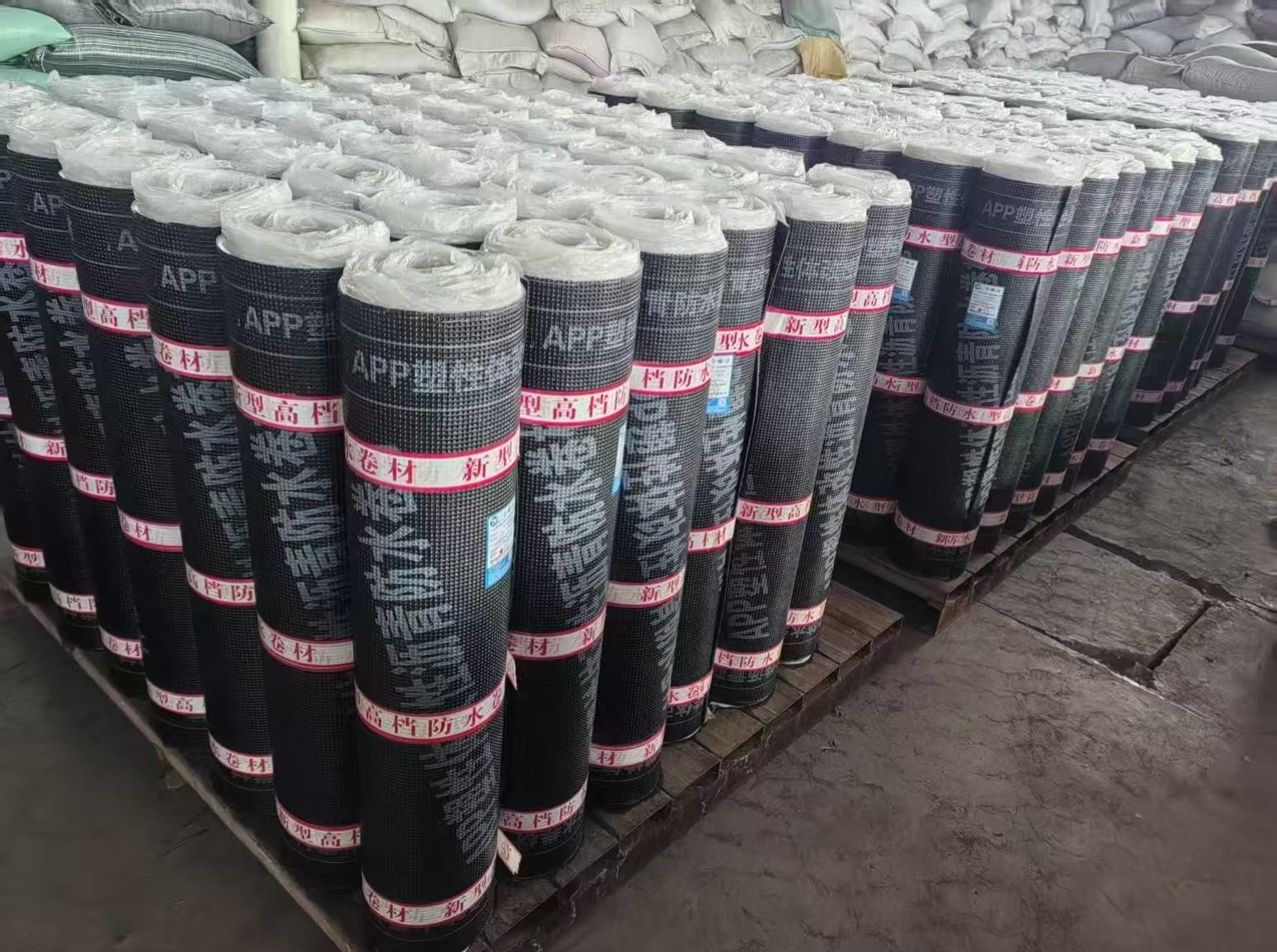
When buyers search for a water proof membrane for roof, they are usually at one of three stages. Some are specifying a new roof and need to confirm which membrane type suits their design. Others are repairing or renovating an existing roof, often over metal or aged bitumen. A third group is sourcing in volume for resale or a defined project and needs consistent packing and delivery to a destination port.
The keyword is broad, so the correct answer depends on details: exposed or covered roof, roof slope, expected traffic, local temperature range, and whether open-flame installation is allowed on site. These factors decide whether you should look at an SBS membrane, APP membrane, a single-ply polymer sheet, or a liquid waterproof coating.
Common roof application scenarios
Different roof types call for different membrane systems. The most common cases we see in export inquiries include:
- Flat concrete roofs (exposed): Often use modified bitumen membrane, PVC, TPO, or EPDM depending on climate and appearance requirements.
- Flat roofs under screed or ballast: Bitumen membranes and self-adhesive membranes are common where the sheet is protected.
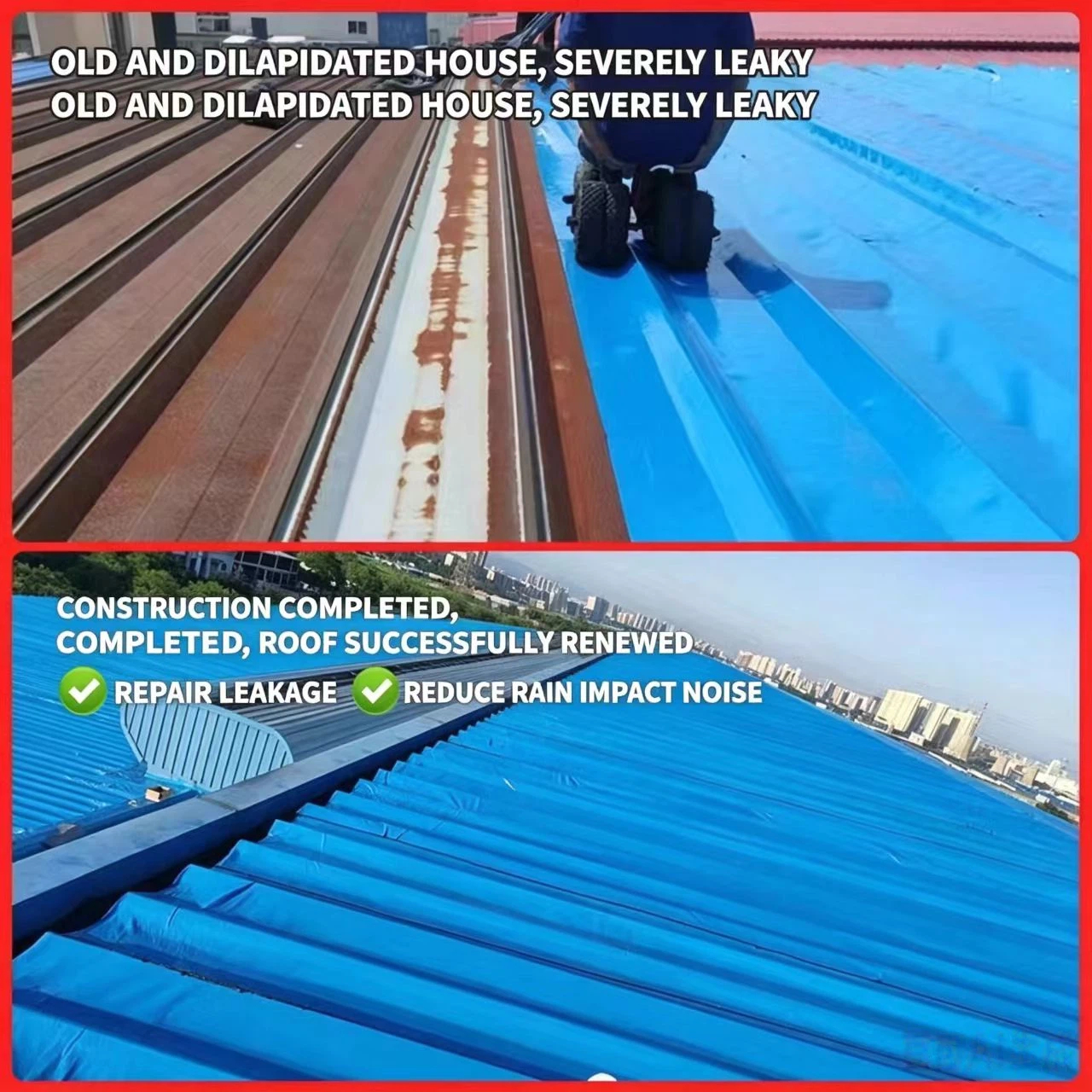
- Metal and color steel tile roofs: A polymer self-adhesive membrane made for metal substrates, or a reflective coating, is often more suitable than a heavy bitumen sheet.
- Hot-climate roofs: Reflective thermal insulation coatings and heat-tolerant membranes help manage surface temperature.
- Repair and renovation: Self-adhesive membranes, liquid coatings, and butyl tape for localized cracks and overlaps.
Roof waterproofing membrane decision table
| Project condition | Material option to consider | What to confirm before inquiry | Notes |
|---|---|---|---|
| Exposed concrete roof, hot region | APP-type modified bitumen membrane or single-ply PVC/TPO | Peak roof temperature, slope, exposed or covered | Surface finish and UV exposure affect selection |
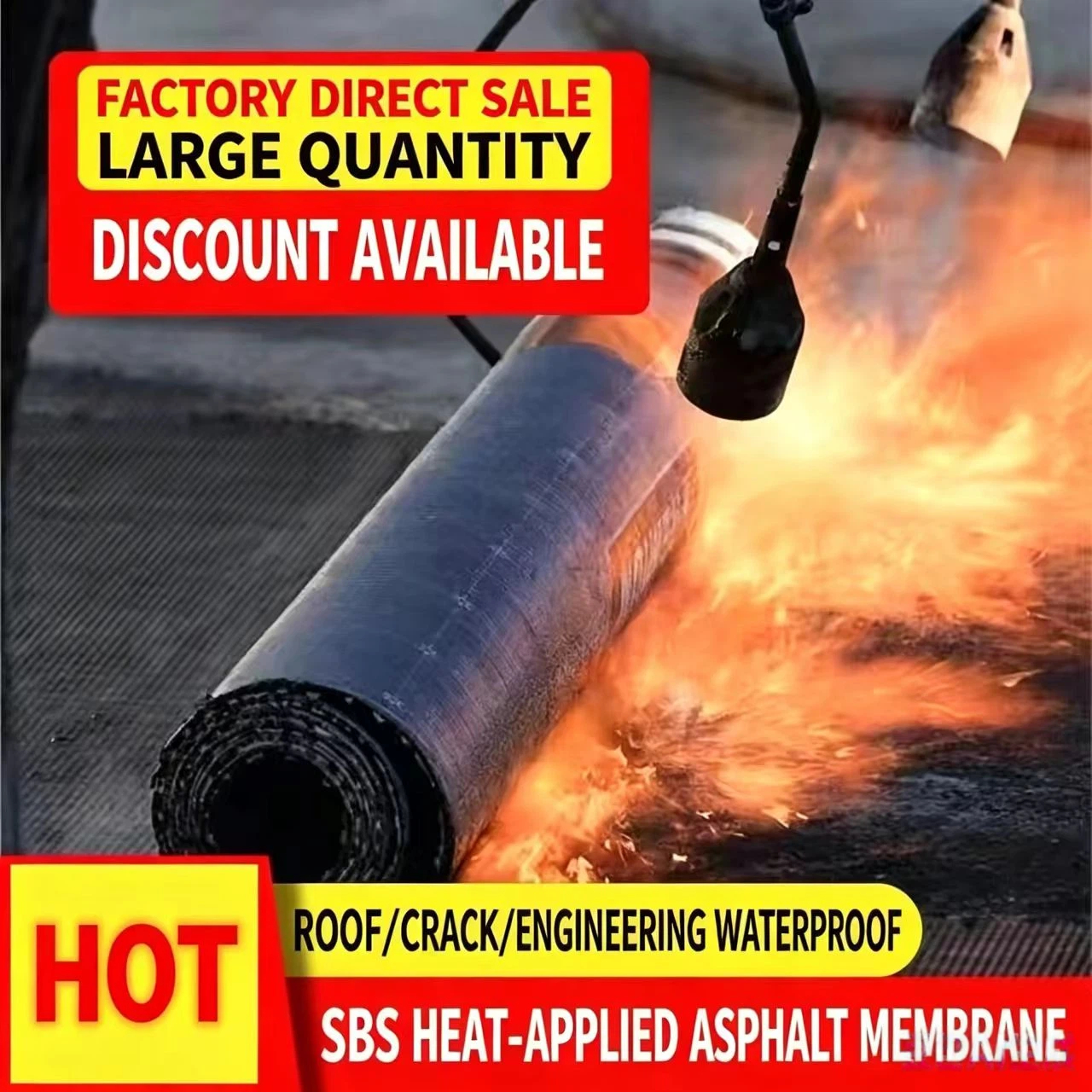
| Exposed concrete roof, cold region | SBS modified bitumen membrane | Lowest winter temperature, torch or self-adhesive | SBS is commonly chosen for flexibility in cold climates |
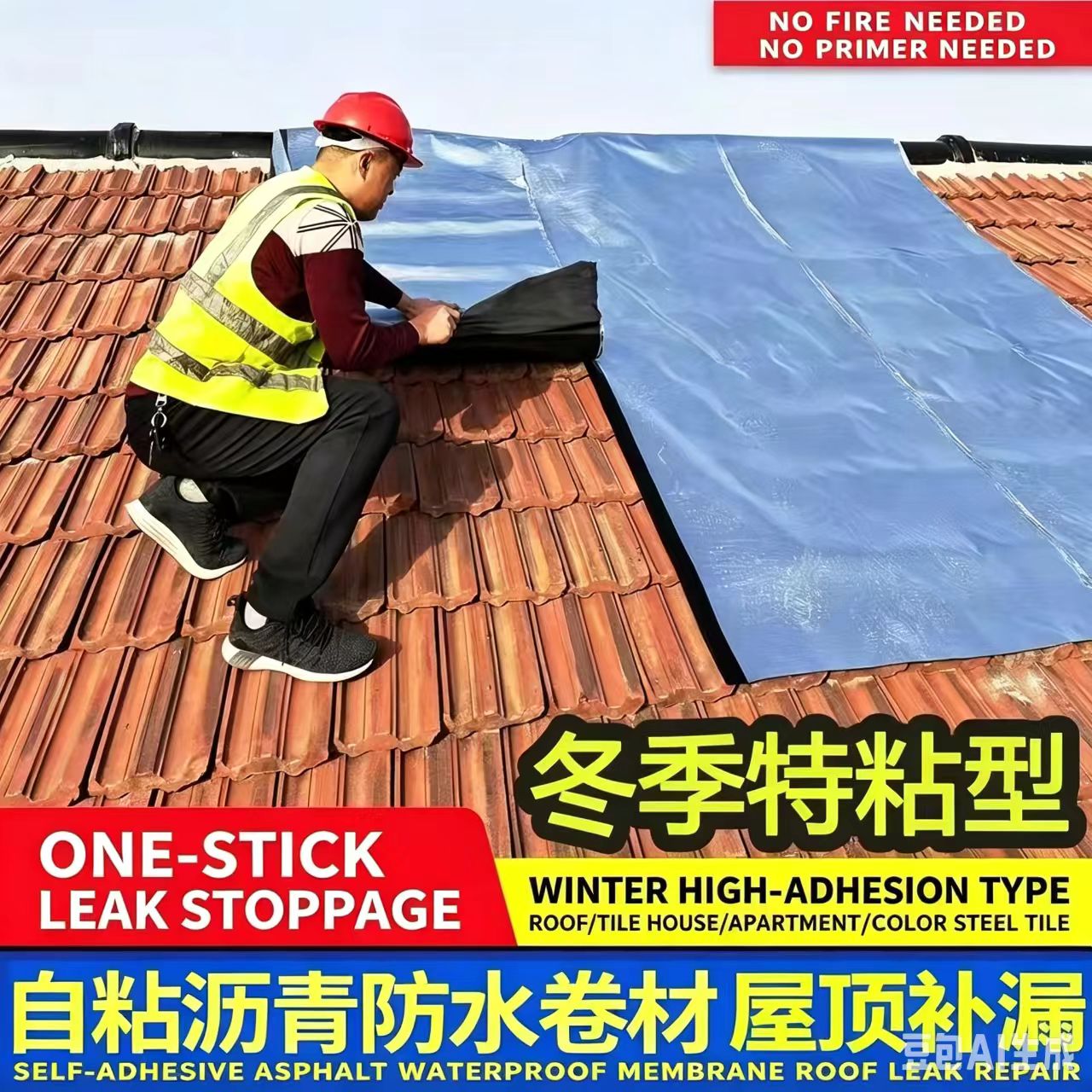
| No open-flame allowed on site | Self-adhesive modified bitumen membrane | Substrate primer needs, surface cleanliness | Suited to occupied buildings and renovation |
| Metal / color steel tile roof | Polymer self-adhesive membrane for color steel tiles | Roof profile, overlap width, existing corrosion | Made for metal substrates and old roof repair |
| Single-ply exposed roof, long service focus | PVC, TPO, or EPDM membrane | Fixing method, seam welding equipment on site | Requires trained installation for welded seams |
| Localized cracks, laps, penetrations | Butyl rubber tape or liquid coating | Crack width, movement, adjacent materials | Often used together with a sheet membrane |
How to choose the right specification
Once the material type is decided, the specification details determine both performance and pricing. When preparing an inquiry, be ready to discuss:
- Thickness: A key variable for bitumen membranes (commonly quoted in mm) and single-ply sheets. Thickness should be matched to your project specification rather than chosen by price alone.
- Roll width and length: Affects coverage, waste, and container loading. Confirm the standard sizes available.
- Surface finish: Sanded, mineral-covered, film-faced, or foil-faced options change UV resistance and appearance for exposed roofs.
- Reinforcement: Polyester or fiberglass carriers behave differently in terms of strength and dimensional stability.
- Installation method: Torch-applied, self-adhesive, mechanically fixed, or fully bonded. Match this to on-site capability and safety rules.
- Packing and quantity: Rolls per pallet, pallets per container, and total quantity needed for the roof area plus overlaps and waste.
- Destination port: Needed for freight, lead time, and accurate delivery quotations.
Questions to prepare before requesting a quotation
- What is the total roof area, and is the roof exposed or covered after installation?
- What is the substrate: concrete, metal, existing membrane, or insulation board?
- What are the highest and lowest temperatures the roof will face?
- Is open-flame (torch) installation permitted on your site?
- What membrane thickness or specification does your project drawing require?
- What roll width and packing suit your handling and container plan?
- What is the destination port and required delivery timing?
- Do you need accessories such as primer, tape, or a liquid coating for detailing?
Common mistakes and selection risks
A few recurring issues lead to disappointing results. Choosing a membrane by price without confirming the required thickness often means the specification is not met. Selecting a heavy bitumen sheet for a metal roof can create adhesion and detailing problems, where a purpose-made self-adhesive membrane fits better. Ignoring climate is another common error: a product suited to hot regions may not perform the same way in cold conditions, and the reverse is also true.
Single-ply systems such as PVC, TPO, and EPDM depend heavily on correct seam welding and fixing, so buyers should confirm that the installation team has the right method and equipment. Finally, edges, drains, and penetrations cause most leaks, so detailing materials like liquid coating or butyl tape should be planned together with the main sheet rather than added as an afterthought.
Get product selection support
The right water proof membrane for roof projects always depends on your substrate, climate, installation method, and quantity. If you share your roof type, project specification, packing needs, and destination port, our team can recommend suitable membrane options and confirm available specifications for an accurate quotation.