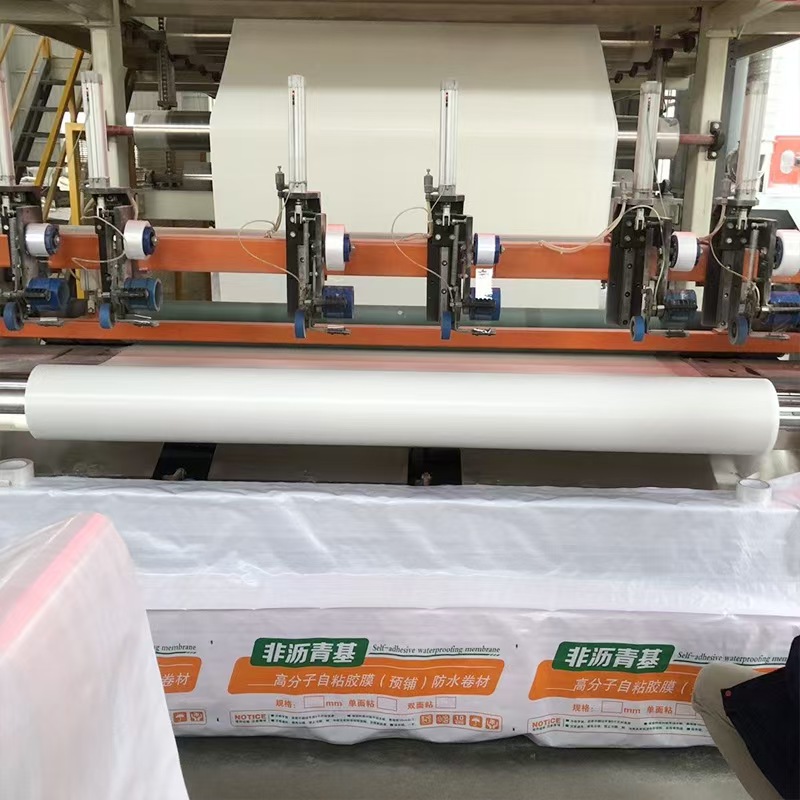
This guide is written for contractors, distributors, and procurement engineers who need to specify a water proof membrane for walls and want to avoid ordering the wrong product for the job. Walls are not one single application. An above-grade exterior facade, a below-grade basement wall, and a parapet or retaining wall each behave differently, so the correct material depends on where the wall sits and how it is exposed.
The purpose here is to help you shortlist options and prepare a clear inquiry. Some walls are best served by a sheet waterproof membrane, others by a waterproof coating that follows detailing and penetrations more easily. Below we explain how to read buyer intent, match products to scenarios, and confirm specifications before contacting a supplier.
Understanding the buyer intent behind "water proof membrane for walls"
When buyers search for a water proof membrane for walls, they usually mean one of a few different things. Some need negative-side or positive-side protection for basement walls that stay in contact with soil and groundwater. Others want a treatment for exterior walls that face rain, wind-driven moisture, or surface seepage. A third group is looking for repair materials for existing walls that already show damp patches or cracks.
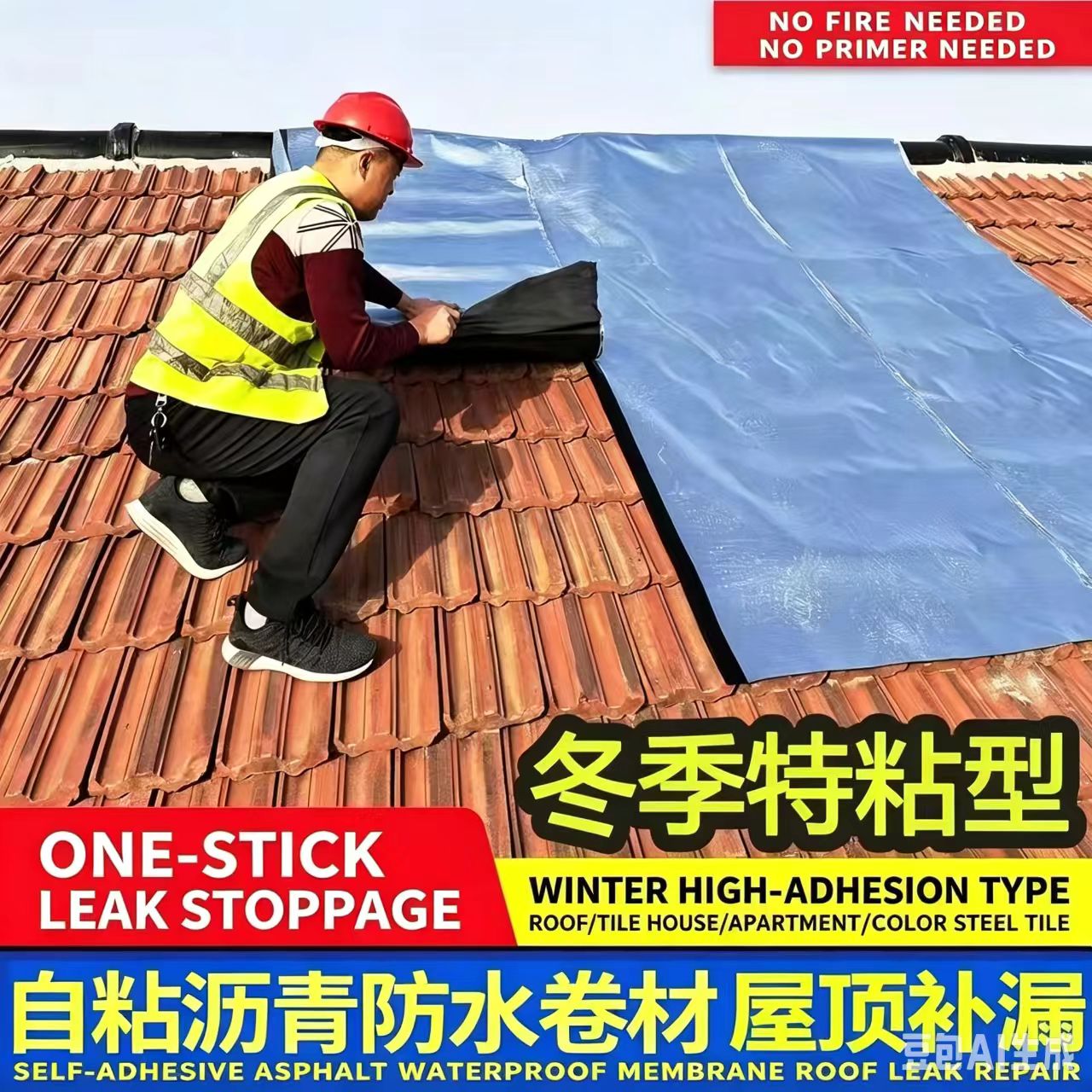
Because these needs differ, the word "membrane" is not always literal. On flat vertical concrete below grade, a self-adhesive membrane or bitumen membrane sheet may be appropriate. On textured or irregular exterior walls with many corners, a liquid-applied waterproof coating is often easier to detail. Clarifying which situation you have is the first step toward the right quotation.
Common application scenarios for wall waterproofing
Different wall types call for different material families. The most common cases we see from export buyers include:
- Basement and retaining walls (below grade): Continuous protection against soil moisture and hydrostatic pressure. Sheet membranes and cementitious systems are common, sometimes combined with joint reinforcement.
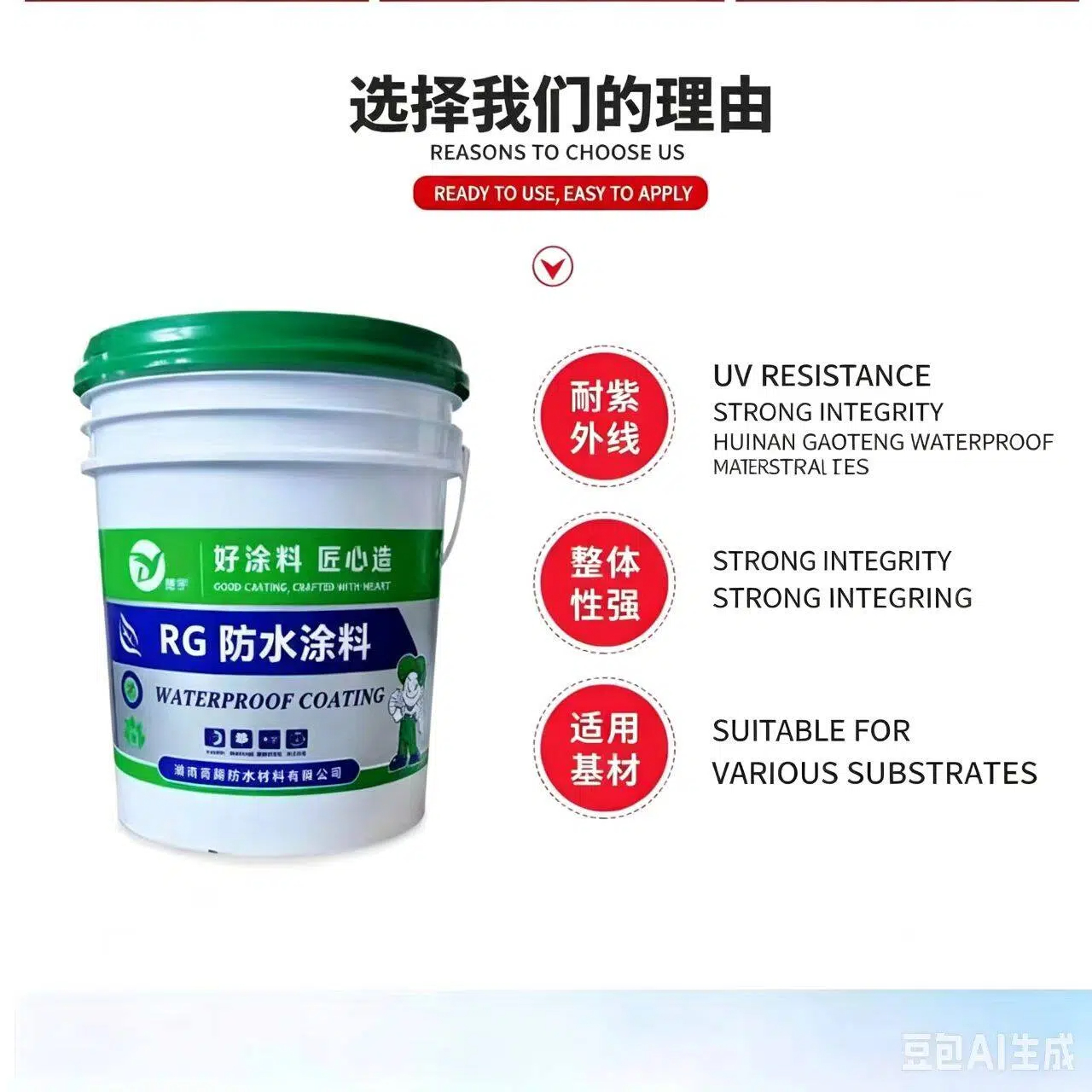
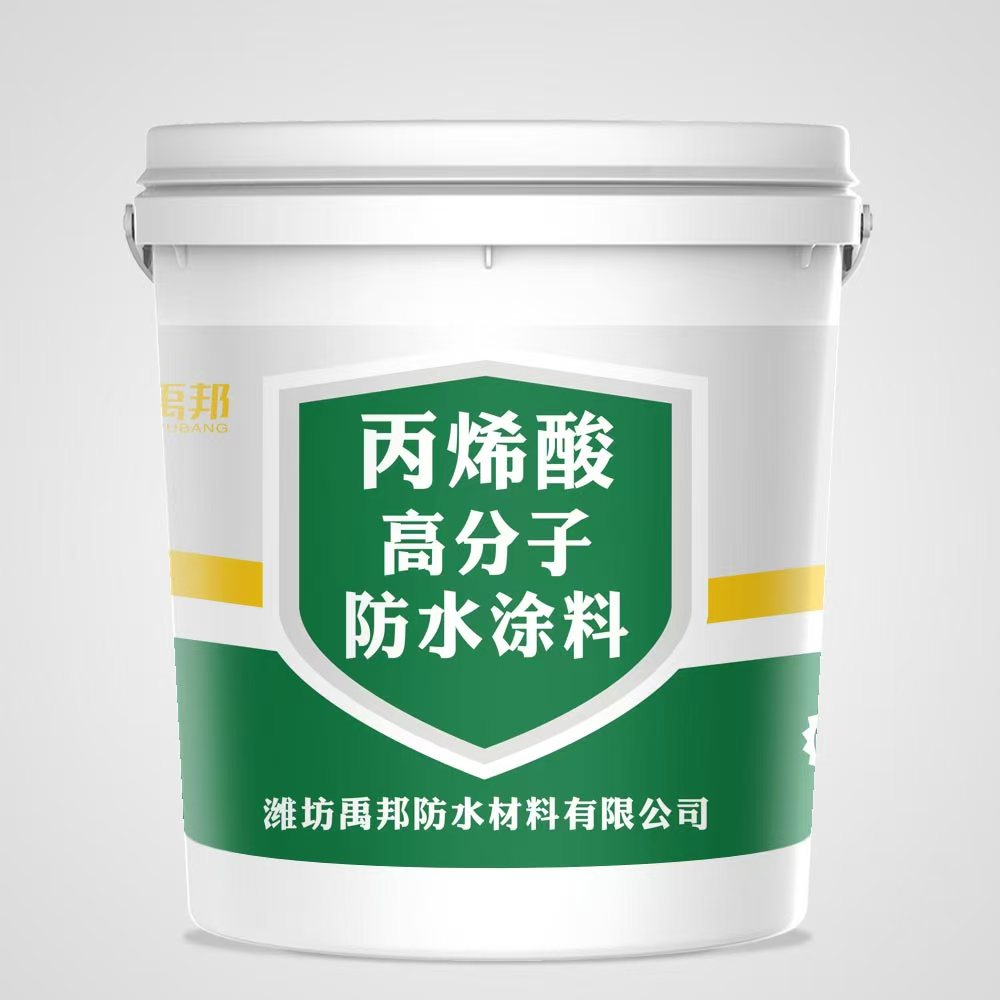
- Exterior facades and parapets (above grade): Resistance to rain and surface water while allowing the wall to breathe. Elastic and silicone-type coatings are often used here.
- Bathroom, kitchen, and balcony walls (interior wet areas): Thin, tile-friendly waterproofing behind finishes, where a coating or waterproof mortar is practical.
- Repair and renovation of existing walls: Sealing seepage, cracks, and old substrates where surface preparation is limited.
Note that the ideal choice also depends on substrate condition, climate, and whether the surface will be covered or left exposed. These should be confirmed before ordering.
Buyer decision table for wall waterproofing
| Project condition | Material option | What to confirm before inquiry | Notes |
|---|---|---|---|
| Basement / below-grade concrete walls | Self-adhesive membrane, JS or crystalline coating | Positive or negative side, groundwater level, substrate flatness | Detailing at floor-wall joints is critical |
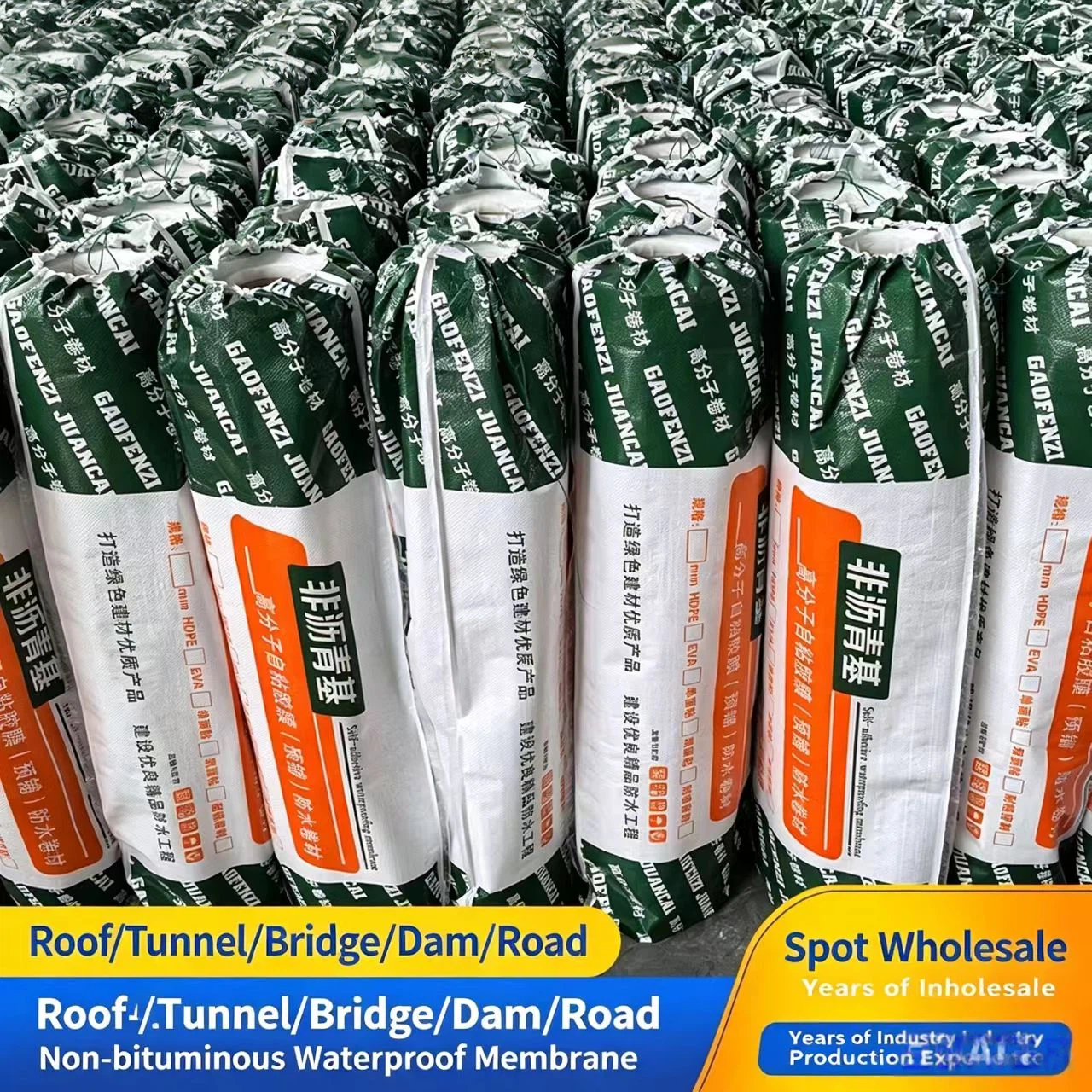
| Pre-applied underground walls before backfill | Pre-applied anti-adhesive self-adhesive membrane | Construction sequence, casting method | Designed to bond to concrete cast against it |
| Exterior facade / parapet exposed to rain | Acrylic elastic coating, silicone coating | Exposure, color, breathability requirement | Confirm topcoat and UV exposure needs |
| Interior wet-area walls (bath, kitchen) | JS coating, K11 waterproof mortar, polyurethane coating | Tile adhesion, corner detailing | Usually covered by tile or finish |
| Crack and seepage repair on old walls | Silicone coating, butyl tape, non-curing asphalt | Crack width, movement, substrate moisture | Local treatment may combine with full coating |
This table is a starting reference. Final selection should be verified against your drawings, local specification, and site conditions.
How to choose specifications
Once the material family is clear, the specification details decide what you actually order. For sheet products, confirm thickness, roll width and length, surface finish, and any reinforcement layer, since these affect coverage and installation. For a self-adhesive membrane, verify whether the wall allows peel-and-stick application or whether primer is required.
For coatings, confirm the required dry film thickness, number of coats, and consumption per square meter, because a thin decorative coating is not the same as a structural waterproofing layer. Also decide whether the system is single or double component, and whether reinforcing fabric is needed at corners and joints.
On the logistics side, clarify packing format, total quantity, container loading, and destination port so the supplier can quote accurately and advise on shelf life during transit. Climate at the project site also matters, since some bitumen membranes are formulated differently for hot or cold regions.
Questions to prepare before requesting a quotation
- Is the wall above grade, below grade, or an interior wet area?
- What is the substrate: poured concrete, block, plaster, or metal?
- Will the membrane be left exposed or covered by soil, tile, or another finish?
- Is there groundwater or hydrostatic pressure to resist?
- What thickness or dry film thickness does your specification require?
- What total quantity, packing, and destination port apply?
- What is the site climate, and will installation involve open flame, hot air, or self-adhesive methods?
Sending these answers with your first message shortens the back-and-forth and helps you get a usable quotation faster.
Common mistakes and selection risks
A frequent error is treating all wall waterproofing as identical. A coating designed for interior bathroom walls may not suit a below-grade wall under water pressure, and a sheet membrane sized for roofs may be awkward to detail around wall penetrations. Choosing purely by lowest price without confirming thickness or coverage often leads to under-application on site.
Another risk is ignoring the substrate. Damp, dusty, or uneven walls can prevent proper adhesion of a self-adhesive membrane or coating. Corners, pipe openings, and wall-to-floor joints are where leaks usually start, so plan reinforcement detailing rather than relying on a flat-surface product alone. Finally, confirm whether the product must be UV-stable if the wall stays exposed, instead of assuming any membrane suits sunlight.
Get product selection support
Wall waterproofing is easier to specify when the material is matched to substrate, exposure, and installation method rather than chosen by name alone. If you share your wall type, project conditions, and required quantity, our team can help you compare suitable membrane and coating options and prepare a specification that fits your project and destination.