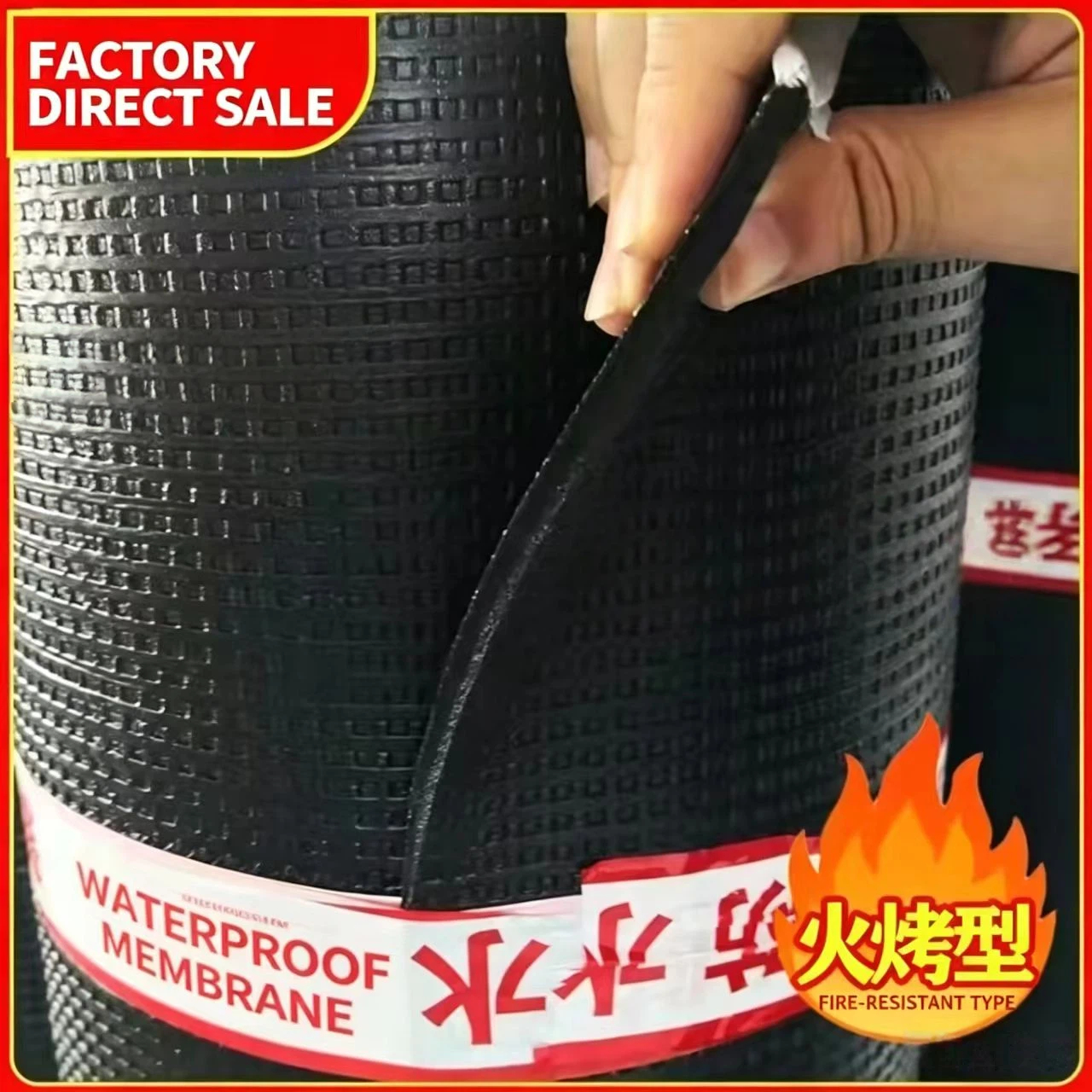
This guide is written for importers, waterproofing contractors, procurement engineers, and distributors who need to select and buy the right water proof membrane sheet for a specific project. If you are comparing bitumen membrane, PVC, TPO, EPDM, or self-adhesive membrane options and you are not sure which one fits your substrate, climate, or installation method, this article will help you narrow the choice before you send an inquiry.
The goal here is practical: fewer wasted quotation rounds, clearer specifications, and material choices that match how the sheet will actually be installed and exposed on site.
Understanding the buyer intent behind "water proof membrane sheet"
The phrase water proof membrane sheet is broad. Buyers who search it are usually at an early stage and still deciding between material families rather than a single SKU. Some are sourcing for a flat roof, others for a basement, a tunnel, a water pool, or a metal roof repair. The correct sheet depends on exposure, substrate, and how it will be bonded.
Because the term covers several product types, a supplier cannot give a meaningful price without knowing the application. A roofing waterproofing project in a hot climate points toward different materials than cold-region basement waterproofing. Confirming the end use first avoids ordering a membrane that is technically fine but wrong for the job.
Common application scenarios
Membrane sheets are used across many building and civil works. Matching the scenario to a material family is the first filter.
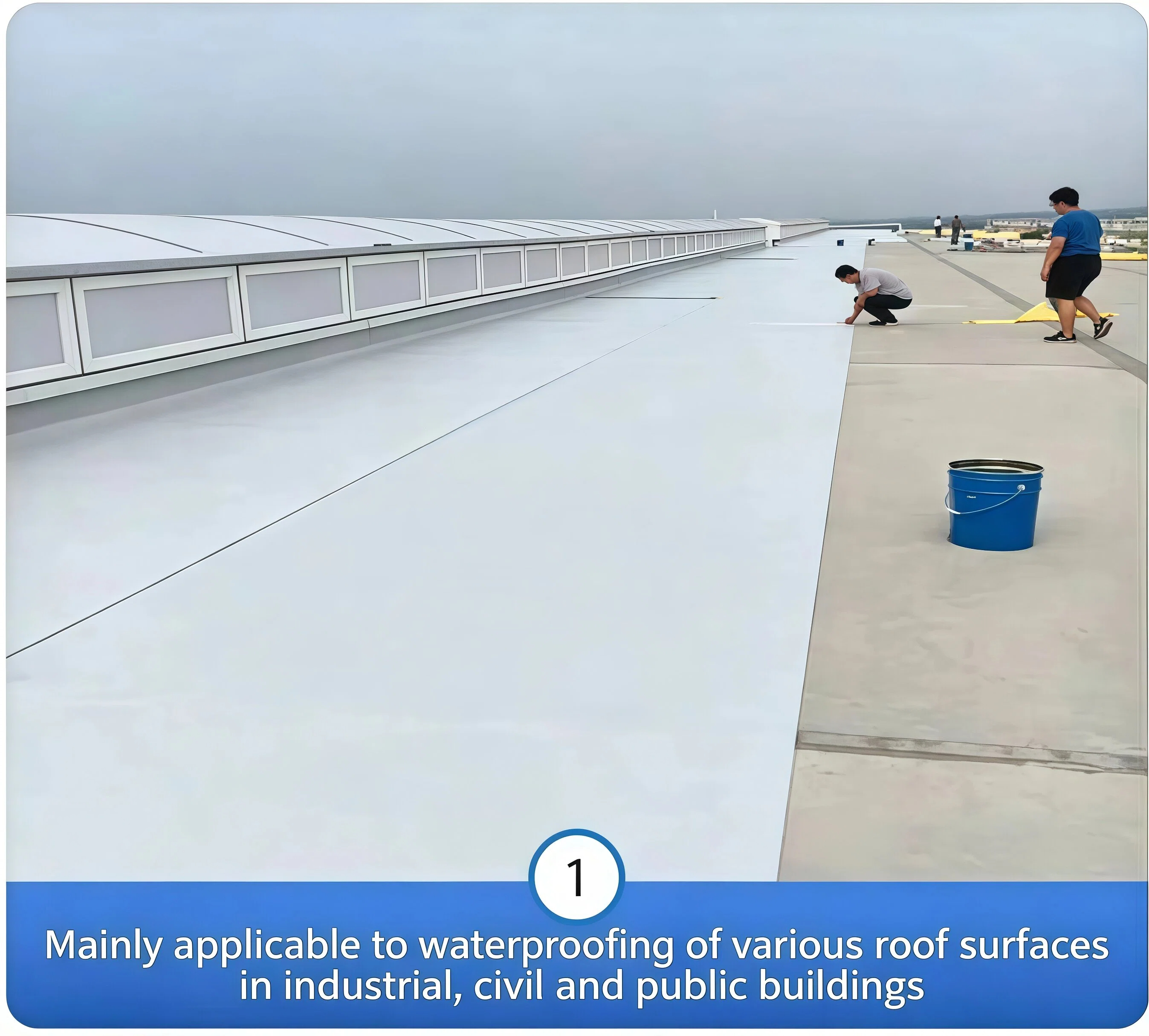
- Exposed flat and low-slope roofs: Often use PVC, TPO, EPDM, or modified bitumen membrane depending on exposure and appearance requirements.
- Basements and underground structures: Pre-applied anti-adhesive self-adhesive membrane or SBS/APP bitumen membrane are common, sometimes combined with a waterproof coating for joints.
- Tunnels, bridges, and municipal infrastructure: Modified bitumen membrane and polymer sheets are frequently specified for durability under demanding conditions.
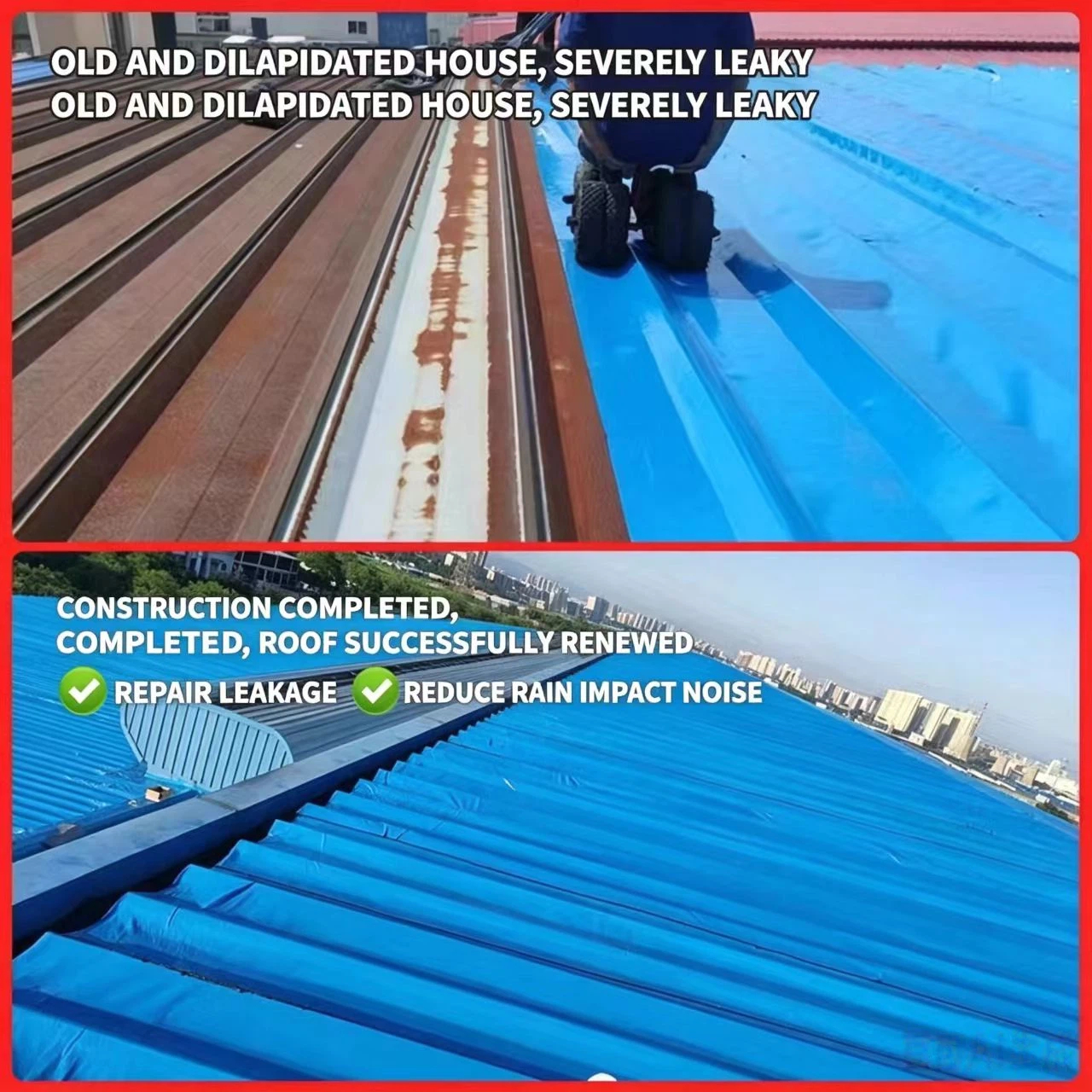
- Metal and color steel tile roofs: Polymer self-adhesive membrane designed for metal substrates is used for new roofs and old roof renovation.
- Water pools, corridors, and corrosive environments: PVC or TPO membranes are often considered where chemical resistance matters.
- Local repair and detailing: Butyl self-adhesive tape and non-curing coatings are used at overlaps, cracks, and pipe penetrations.
These are typical directions, not rules. Final material selection should be confirmed against local specification and site conditions.
Buyer decision table
| Project condition | Material option | What to confirm before inquiry | Notes |
|---|---|---|---|
| Exposed roof, hot climate | Modified bitumen membrane or reflective solutions | Slope, exposure, surface finish, UV exposure | Surface color and finish affect heat behavior |
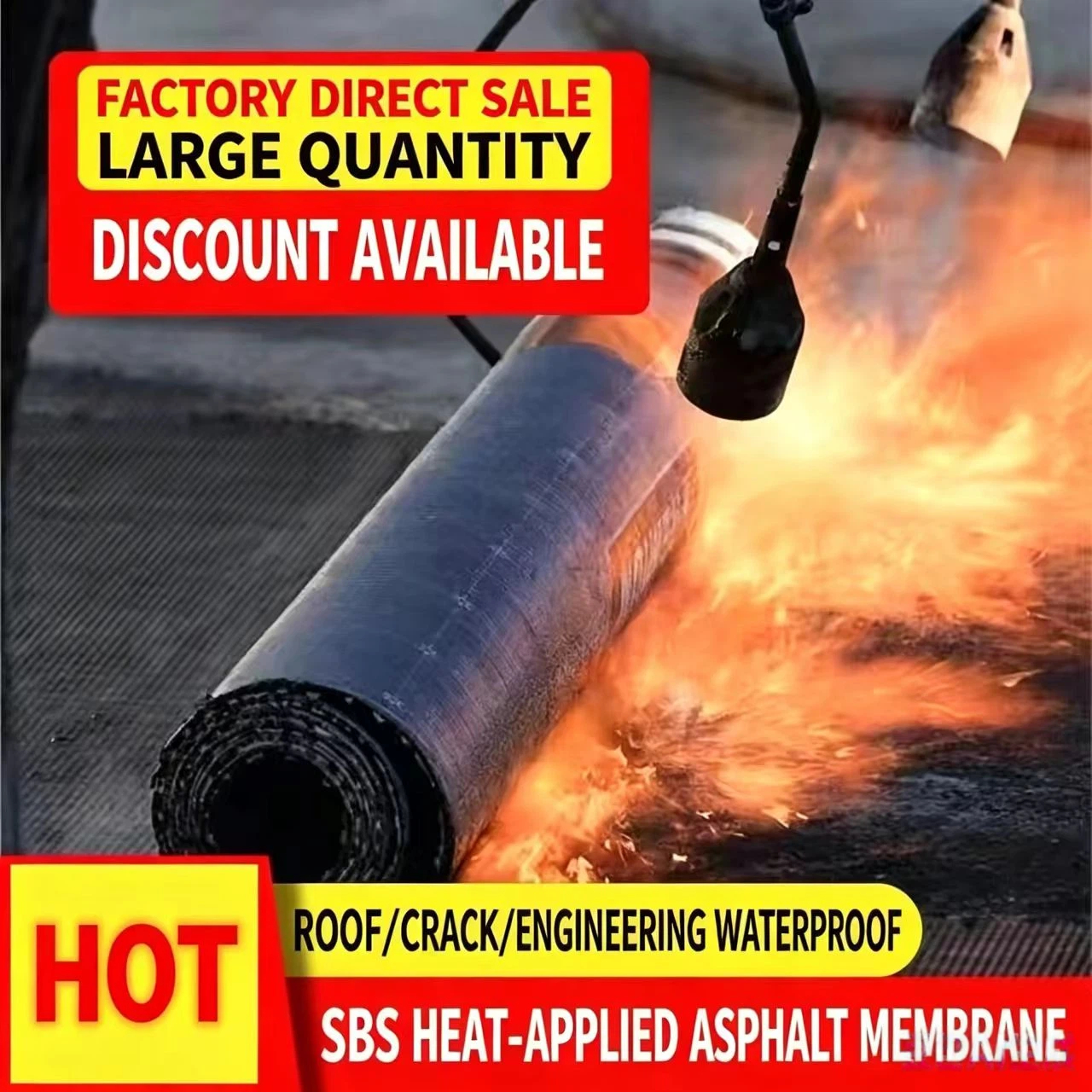
| Cold-region roof or basement | SBS modified bitumen membrane | Application method (torch or self-adhesive), thickness | Confirm if open flame is allowed on site |
| Basement pre-applied | Self-adhesive membrane, anti-adhesive type | Substrate, blinding concrete condition | Designed for pre-applied construction sequence |
| Metal / color steel roof | Polymer self-adhesive membrane for steel tiles | New or renovation, roof condition | Substrate cleanliness affects adhesion |
| Water pool, corrosive area | PVC or TPO membrane | Chemical exposure, thickness, welding method | Confirm compatibility with contents |
| Joint and detail sealing | Butyl tape or non-curing coating | Gap size, substrate type | Usually used with a main membrane |
How to choose specifications
Once the material family is decided, the specification details determine both performance fit and shipping cost. Confirm the following where relevant:
- Thickness: Membrane thickness often follows local design requirements. Confirm the required value rather than assuming a standard.
- Roll width and length: Affects installation efficiency, overlap waste, and container loading.
- Surface finish: Options such as sanded, filmed, or mineral surfacing depend on exposure and topcoat needs.
- Reinforcement: Polyester, fiberglass, or fabric reinforcement changes handling and dimensional behavior.
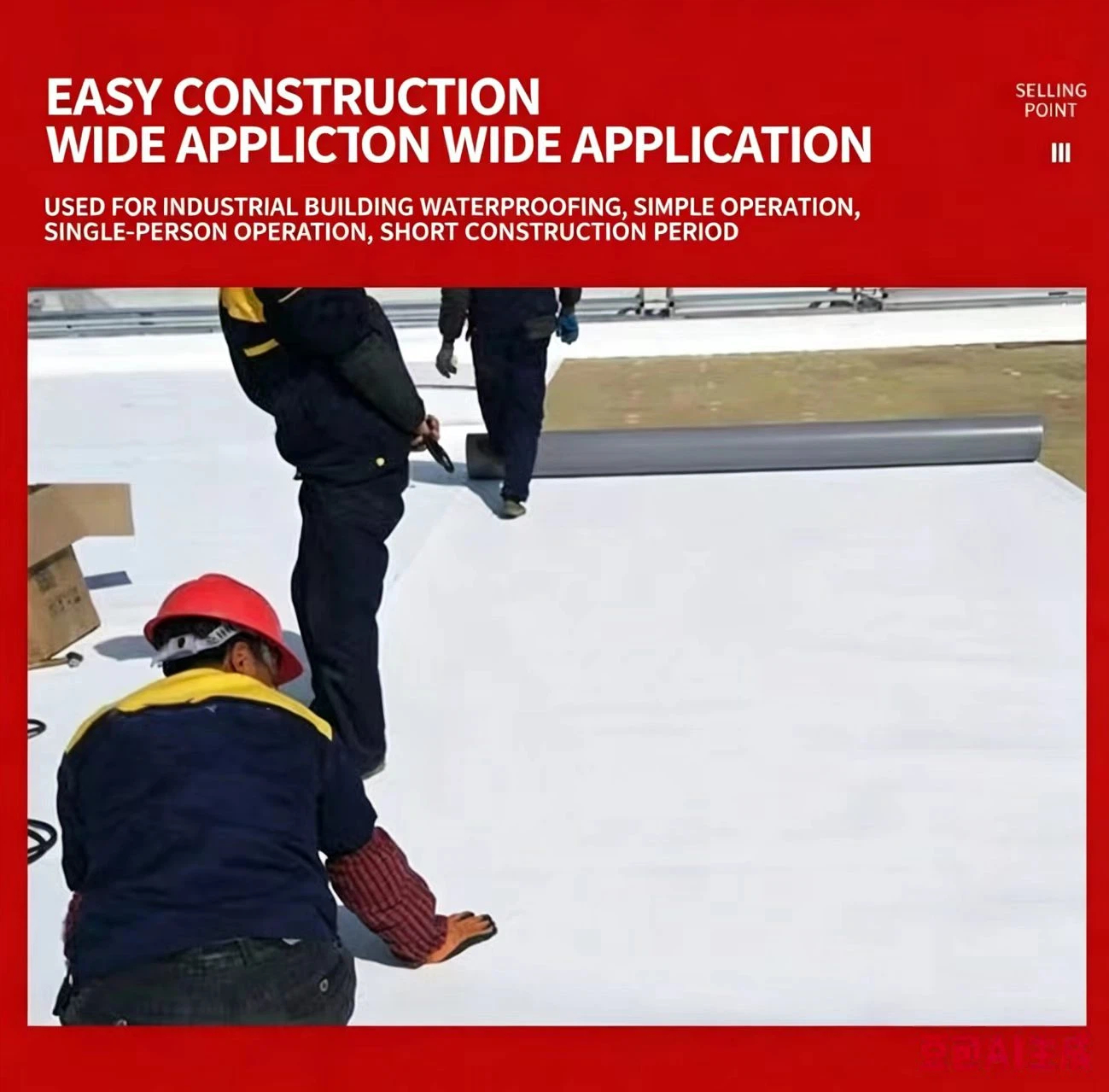
- Installation method: Torch-applied, self-adhesive, mechanically fixed, or loose-laid. This must match site restrictions.
- Packing: Roll packing, pallet arrangement, and labeling for the destination.
- Quantity and destination port: Needed for accurate freight and lead-time estimates.
Providing these details in the first message usually shortens the quotation cycle significantly.
Questions to prepare before requesting a quotation
- What is the application area: roof, basement, tunnel, pool, or metal roof?
- Will the membrane be exposed or covered after installation?
- What is the climate at the project site?
- What installation method is planned, and is open flame allowed?
- What thickness and surface finish are specified, if any?
- What total quantity and roll dimensions do you need?
- What is the destination port and required packing or labeling?
Common mistakes and selection risks
A frequent error is choosing a membrane by price alone before confirming the installation method. A torch-applied bitumen membrane and a self-adhesive membrane can look similar on paper but require very different site conditions. Ordering the wrong one leads to delays or rework.
Another risk is ignoring the substrate. Metal roofs, fresh concrete, and blinding layers each need compatible products, especially for adhesion. Detailing is also underestimated: many leaks start at penetrations and overlaps, so joint tapes and reinforcement coatings should be planned alongside the main sheet.
Finally, confirm thickness and reinforcement against the actual specification instead of copying values from an unrelated project. Requirements differ by region and by design authority.
Getting the right selection support
If you are still comparing options, share your application, climate, installation method, and quantity, and we can help match a suitable water proof membrane sheet and specification. Clear project information leads to a more accurate quotation and fewer surprises during construction. Reach out with your project details for product selection support.