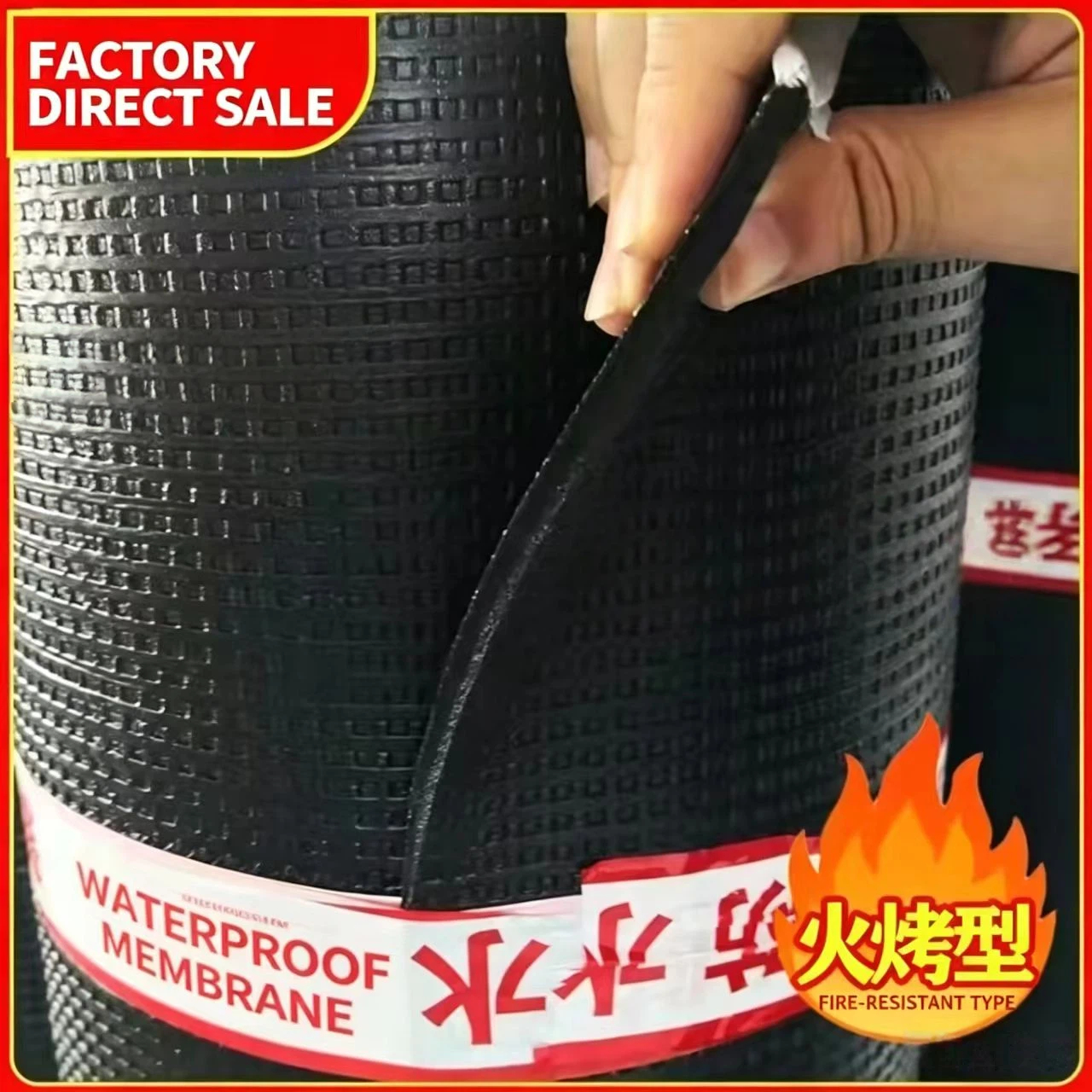
This guide is written for importers, roofing contractors, procurement engineers, and distributors who need to select a waterproof membrane for roof projects and communicate clearly with suppliers. It focuses on the decisions that affect price, performance, and installation, rather than marketing claims.
If you are comparing bitumen membrane, PVC, TPO, EPDM, or self-adhesive membrane options for a specific roof, the sections below will help you narrow the shortlist and prepare a precise inquiry.
Understanding the buyer intent behind "waterproof membrane for roof"
When buyers search for a waterproof membrane for roof applications, they usually have one of three goals: sourcing material for a new build, planning a roof renovation or repair, or comparing membrane types before writing a specification. Each goal leads to different questions.
New construction buyers often care about system compatibility, roll dimensions, and reliable supply for large quantities. Renovation buyers focus on adhesion to existing surfaces, whether open-flame installation is allowed, and how to handle overlaps and details. Specifiers want to match material chemistry to climate and exposure. Clarifying which category you fall into helps a supplier recommend the right product instead of a generic one.
Common roof application scenarios
Roofing waterproofing is not one single condition. The right membrane depends heavily on how the roof is used and finished.
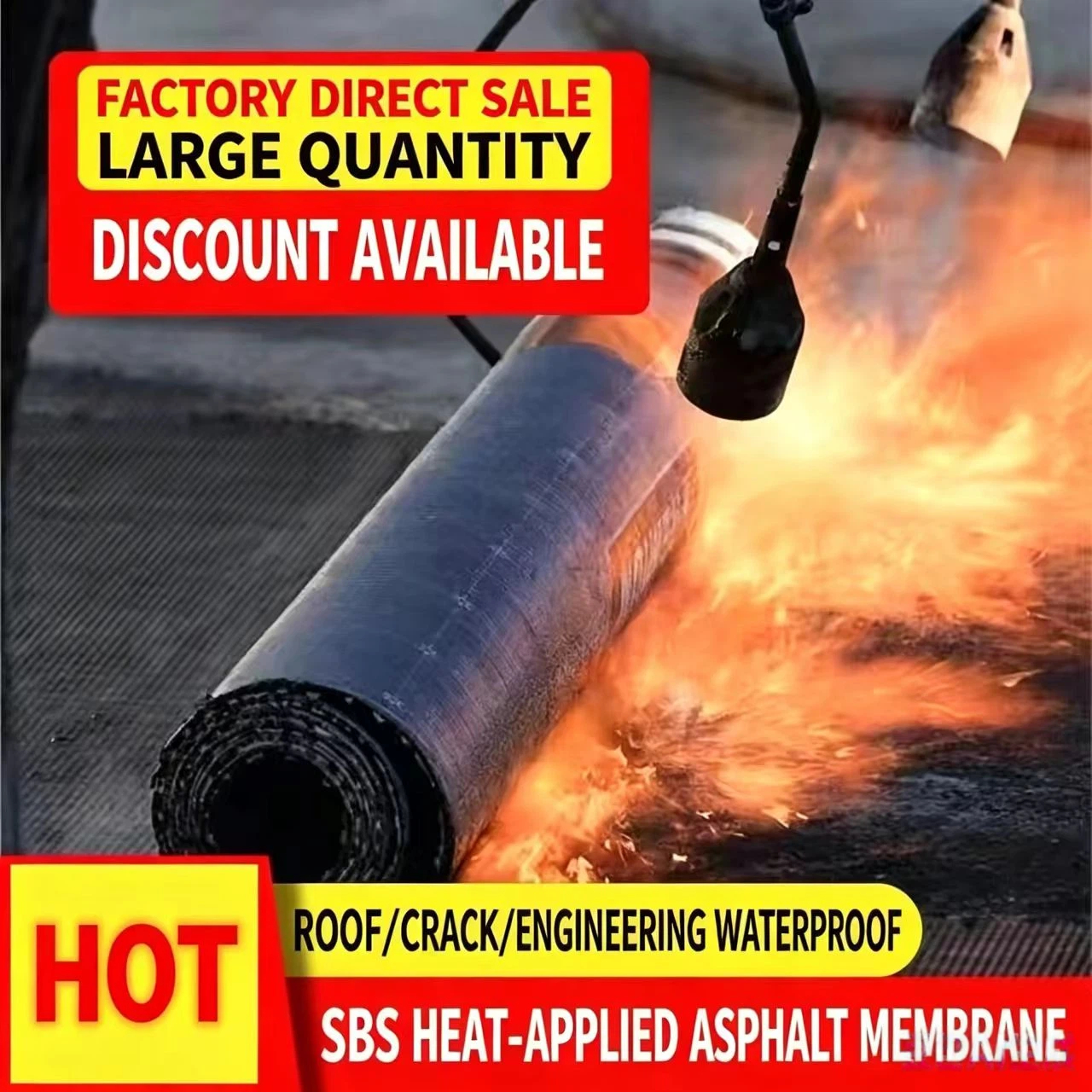
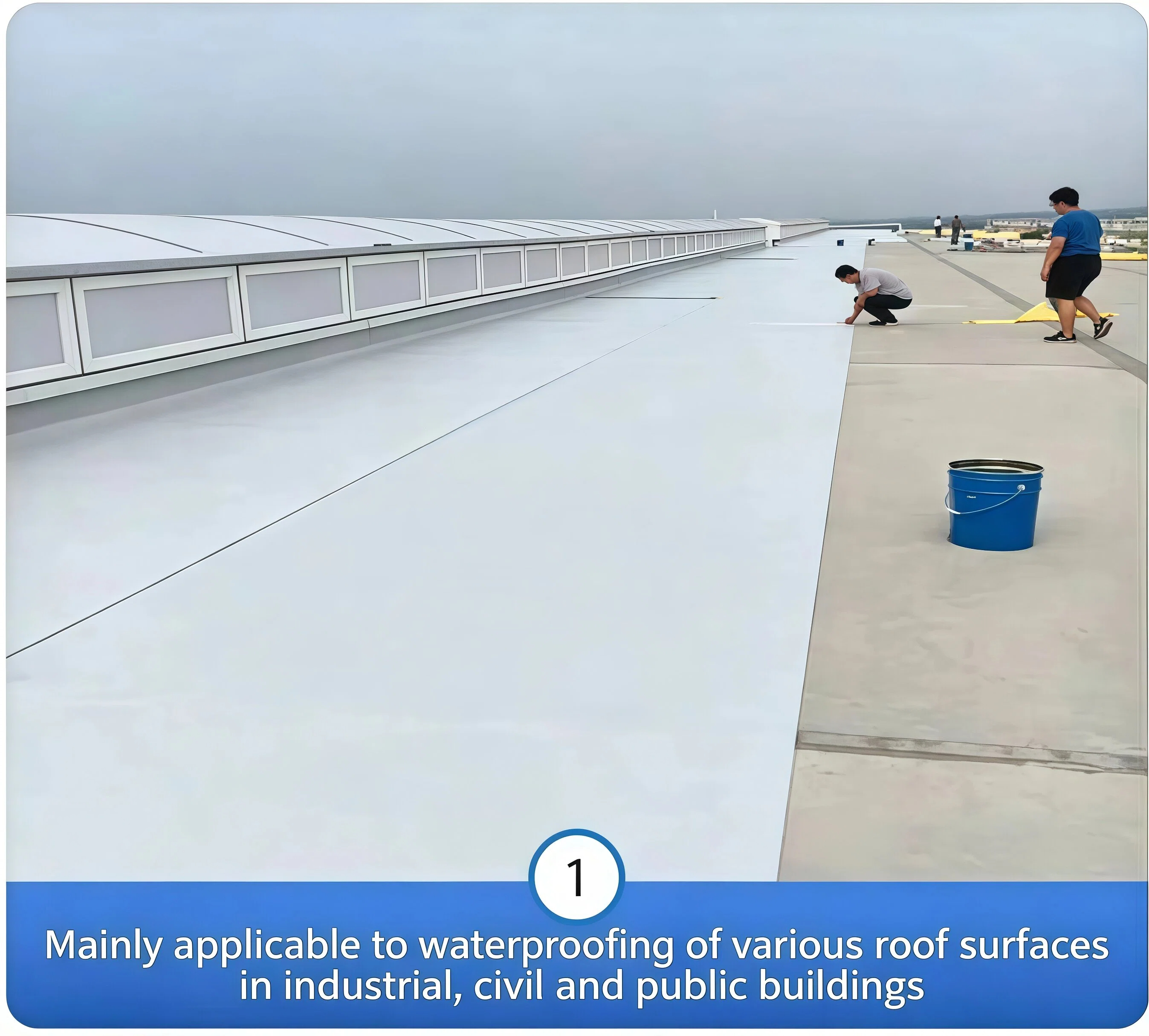
- Exposed flat roofs: These see direct sun, temperature swings, and foot traffic. Bitumen membrane (APP membrane or SBS membrane), PVC, TPO, and EPDM are all used here depending on climate and installation method.
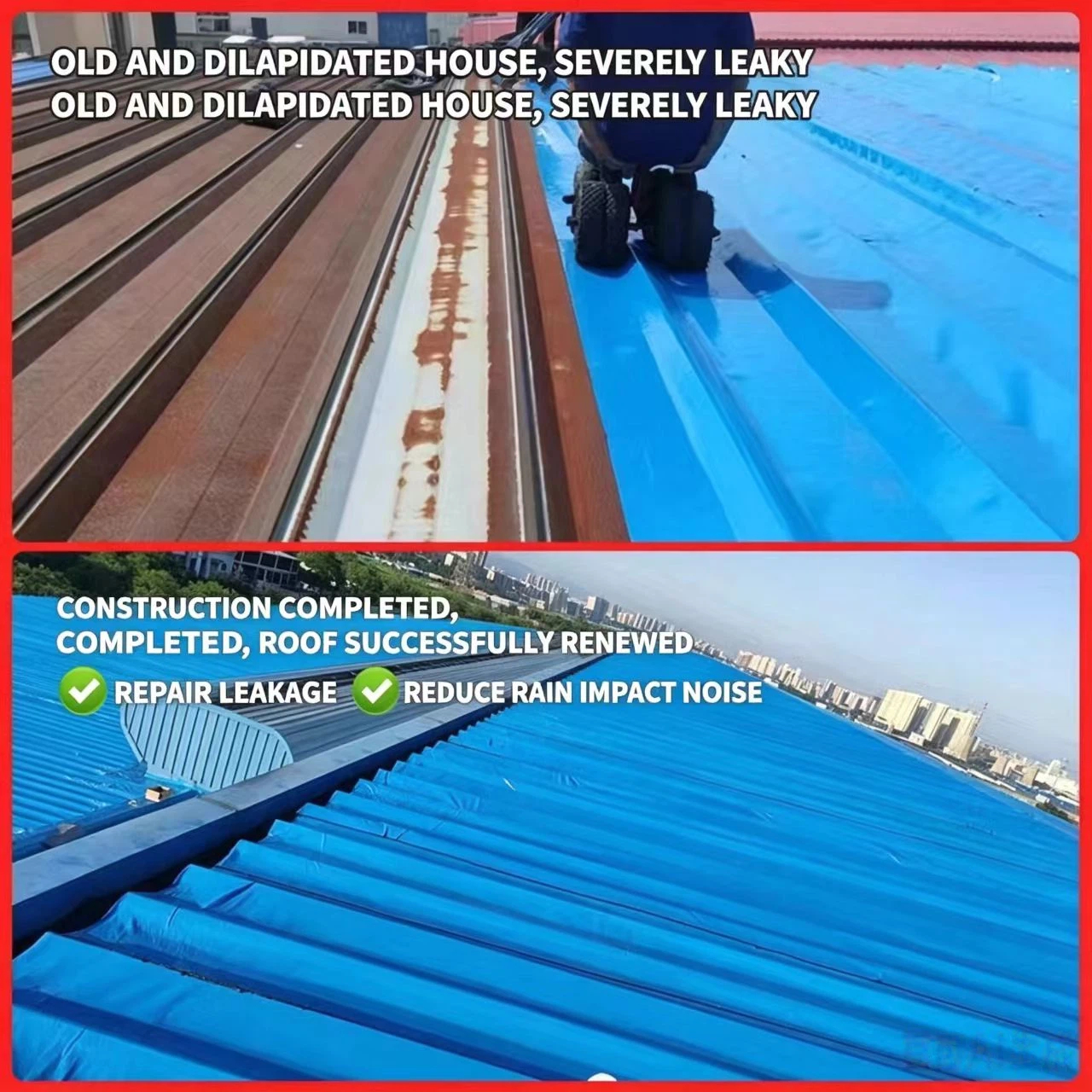
- Metal and color steel tile roofs: Overlaps, screw points, and thermal movement need attention. Self-adhesive membrane designed for metal substrates and butyl tape for local sealing are common choices.
- Concrete roofs under screed or tiles: Non-exposed roofing waterproofing may use torch-applied or self-adhesive modified bitumen membrane.
- Photovoltaic and large factory roofs: Wide single-ply sheets such as TPO can reduce seams over large areas.
- Hot regions: Reflective or thermal insulation coatings are sometimes combined with a membrane to reduce surface temperature.
Basement waterproofing and tunnel work involve different products, so confirm the exact structure before ordering.
Roof membrane buyer decision table
| Project condition | Material option | What to confirm before inquiry | Notes |
|---|---|---|---|
| Exposed flat roof, hot climate | APP-type modified bitumen membrane or single-ply | Surface finish, thickness, UV exposure duration | Confirm whether a reflective top layer is required |
| Exposed flat roof, cold climate | SBS modified bitumen membrane | Low-temperature flexibility rating, thickness | SBS is often chosen for cold regions |
| Metal / color steel tile roof | Self-adhesive membrane for metal, butyl tape | Substrate type, overlap width, roof slope | Surface cleaning and priming affect adhesion |
| Large factory or PV roof | TPO or PVC single-ply membrane | Roll width, welding equipment availability | Wider rolls reduce seams on large areas |
| Concrete roof under screed | Self-adhesive modified bitumen membrane | Whether open flame is permitted on site | Preferred where torching is not allowed |
| Local repair, cracks, penetrations | Butyl tape or polyurethane coating | Crack width, surface condition | Coatings suit irregular details |
How to choose specifications
Once the material family is clear, the specification decides both price and performance. For roofing waterproofing, discuss these points with your supplier:
- Thickness: Membrane thickness should match exposure and traffic. Heavier does not always mean better if the system is designed for a specific load.
- Roll width and length: Larger roofs benefit from wider sheets to reduce seams, but check what your installation crew can handle.
- Surface finish: Options include mineral, sand, film, or smooth surfaces. Exposed roofs and covered roofs need different finishes.
- Reinforcement: Polyester or fiberglass carriers behave differently under stress and heat. Confirm which suits your project.
- Installation method: Torch-applied, self-adhesive, mechanically fixed, or fully bonded systems each need matching products.
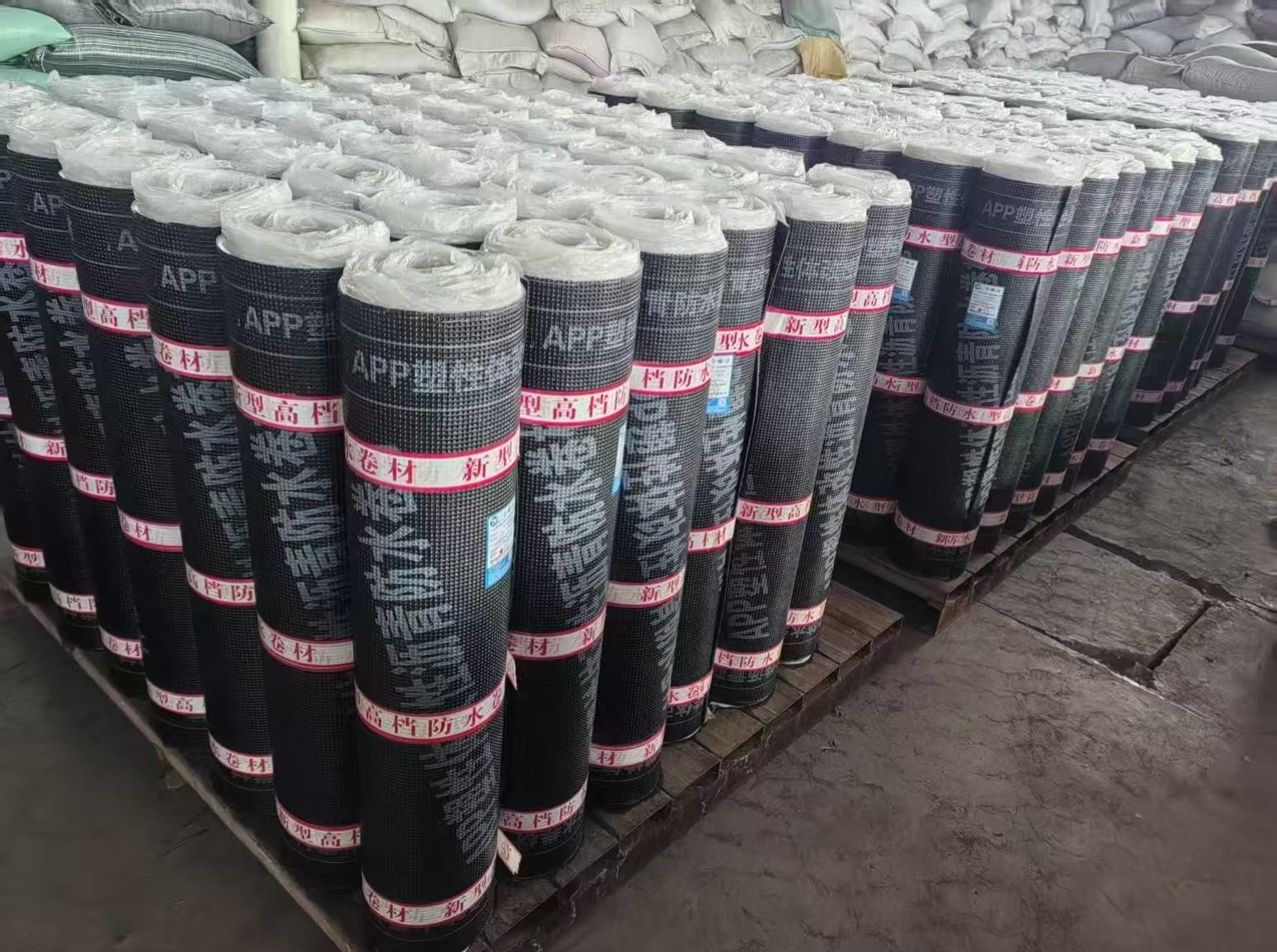
- Packing and quantity: Confirm rolls per pallet, container loading, and total area to plan freight.
- Destination port and climate: Storage and transport conditions can affect certain membranes, so share the destination early.
Questions to prepare before requesting a quotation
- What is the roof substrate: concrete, metal, or an existing membrane?
- Is the roof exposed or covered, and will there be foot traffic or PV panels?
- What is the local climate range, especially peak heat and lowest winter temperature?
- Is open-flame installation allowed on your site?
- What total area and roll dimensions do you need?
- What thickness or specification does your local standard require?
- What is the destination port and expected delivery timeline?
- Do you need matching accessories such as primer, tape, or sealing coating?
Common mistakes and selection risks
A few recurring issues cause problems on roof projects. Choosing a membrane based on price alone often ignores climate suitability; a product built for hot regions may not perform the same in cold ones. Ordering without confirming installation method leads to mismatches, such as buying torch-grade material where open flame is not permitted.
Another frequent risk is overlooking detailing at penetrations, overlaps, and upstands. Even a good field membrane can leak at poorly sealed joints, so plan reinforcement products from the start. Finally, ignoring roll dimensions and packing can raise freight costs or complicate handling on site. Confirm these details before placing an order rather than after.
Get selection support for your roof project
Choosing a waterproof membrane for roof work is easier when the substrate, climate, and installation method are defined first. If you share those details, our team can help match a suitable membrane or coating system and confirm specifications, packing, and loading for your destination. Reach out with your project conditions and we will help you prepare an accurate inquiry.