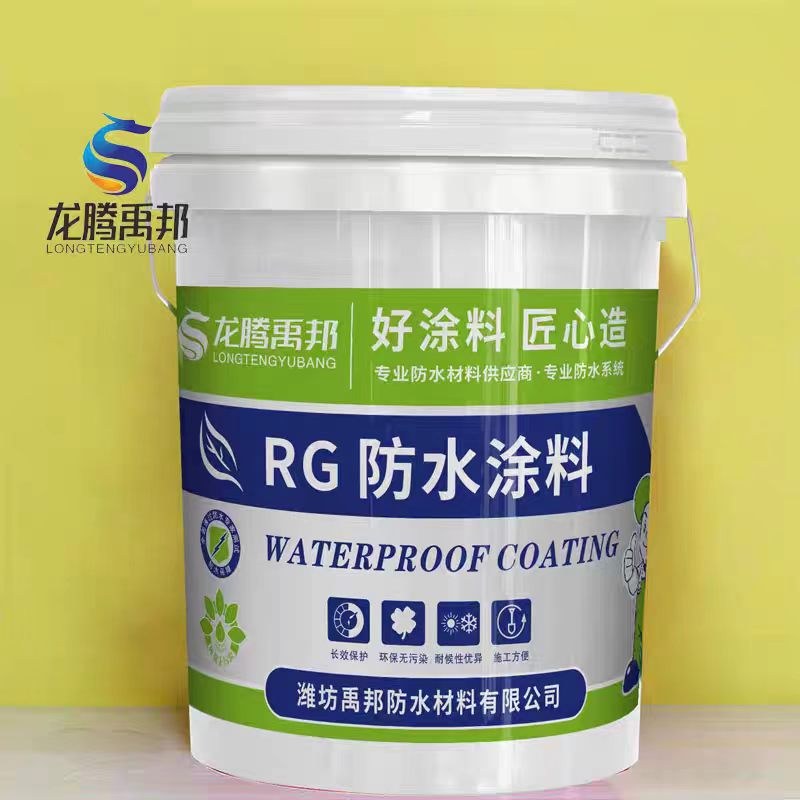
This guide is written for importers, contractors, and procurement engineers who need a waterproof membrane for walls and want to make a clear specification decision before sending an inquiry. Wall waterproofing covers several very different situations, from below-grade basement sides to above-ground exterior facades, and the right product depends on where the wall sits and how it will be applied.
Below we explain what buyers usually mean when they search for this term, where these materials are used, and how to compare options so your quotation request comes back accurate the first time.
Understanding the buyer intent behind "waterproof membrane for walls"
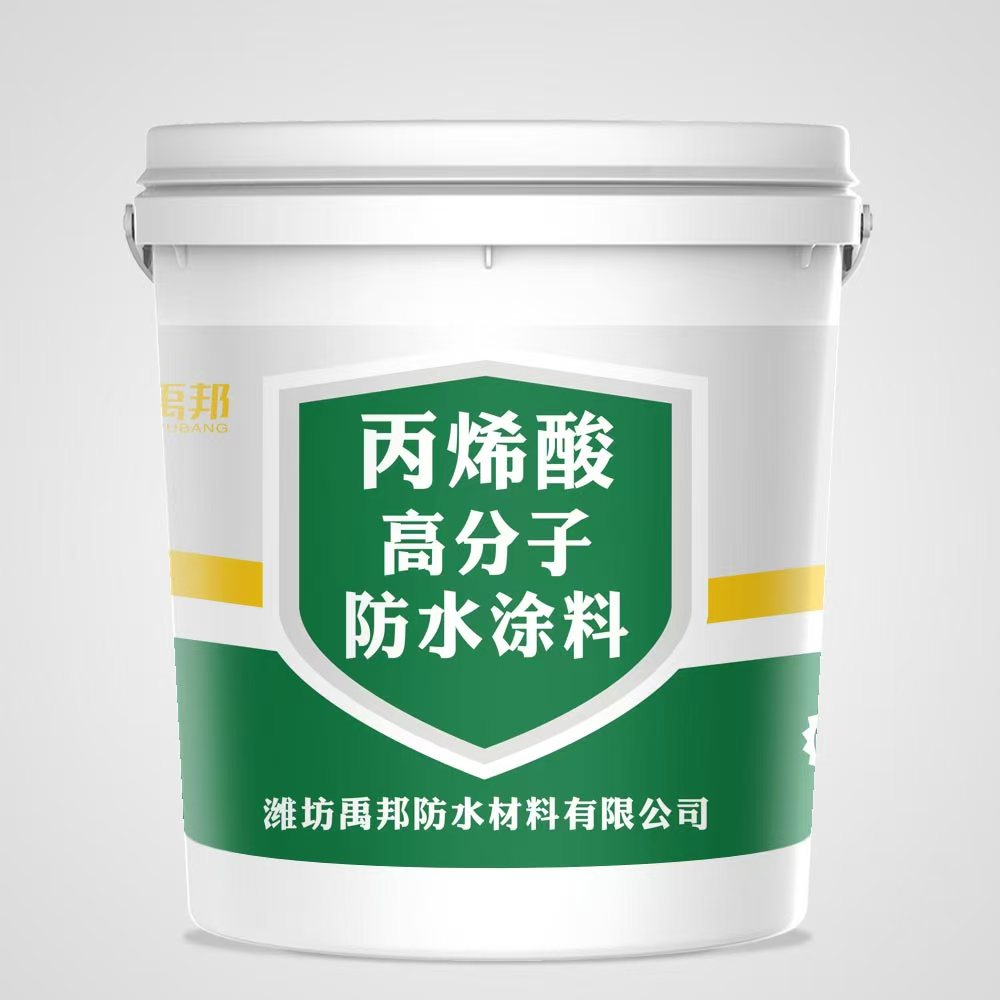
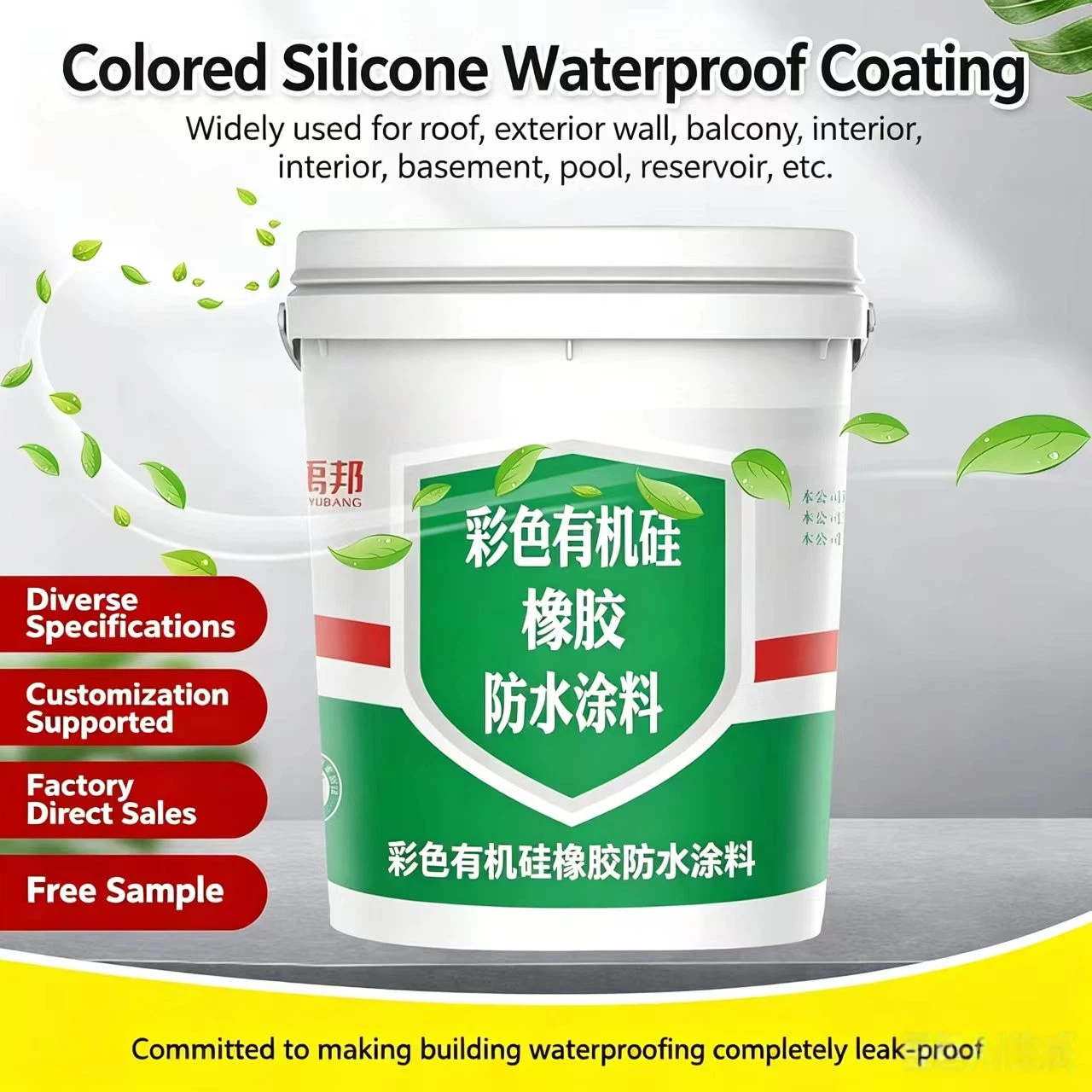
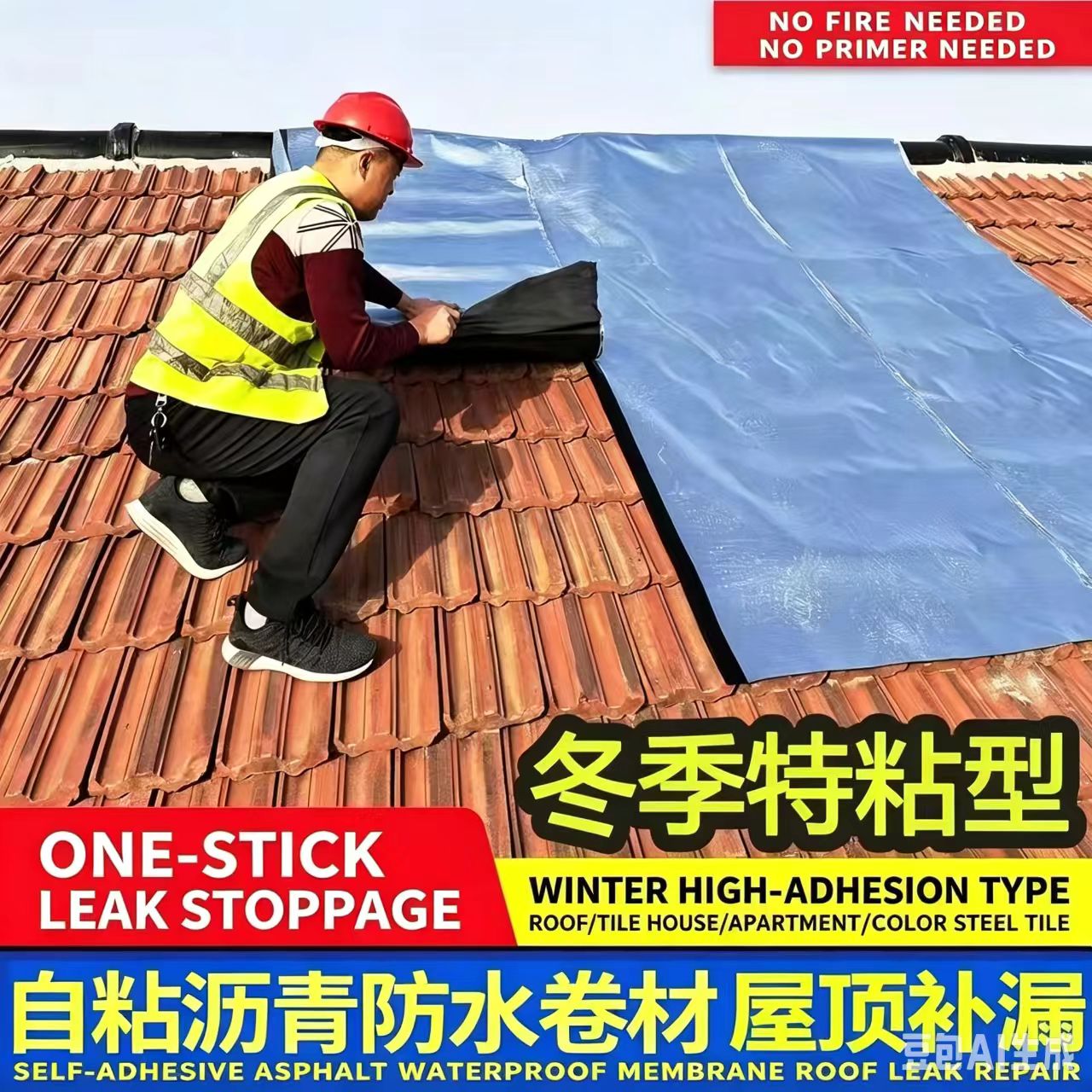
The phrase covers more than one product category. Some buyers need a sheet product such as a self-adhesive membrane or bitumen membrane bonded to a concrete basement wall. Others are really looking for a waterproof coating that can be brushed or sprayed on an exterior wall or in a bathroom. A few need a repair solution for cracks and seepage on an existing facade.
Because of this, the first step is to define the wall itself. Is it below ground or above ground? Concrete, block, or metal? Will it be covered by backfill, cladding, or left exposed to weather? These answers decide whether you should quote a membrane, a coating, or a combination. If you are unsure, describe the wall and let a supplier match the material rather than ordering by product name alone.
Common application scenarios for wall waterproofing
Different wall conditions call for different material families. Typical scenarios include:
- Basement side walls: Below-grade concrete walls that need protection against groundwater. Sheet membranes or crystalline and cement-based coatings are common here, applied on the positive or negative side depending on the structure.
- Exterior facades: Above-ground walls exposed to rain and UV. Brush- or spray-applied coatings are often preferred because they follow the surface and handle small movement.
- Wet rooms and interior walls: Bathroom and kitchen walls where a flexible coating provides a continuous layer behind tiles.
- Repair and renovation: Existing walls with seepage or cracks, where a coating or sealing tape addresses local defects.
- Wall-to-floor and wall-to-roof junctions: Detail areas that usually need reinforcement with tape or non-curing sealant alongside the main membrane.
The correct choice should always be confirmed against the substrate, exposure, and local specification for the project.
Buyer decision table
| Project condition | Material option | What to confirm before inquiry | Notes |
|---|---|---|---|
| Below-grade basement concrete wall | Self-adhesive membrane or cement-based / crystalline coating | Positive or negative side, water table, backfill timing | Detailing at joints is critical; confirm reinforcement needs |
| Exposed exterior facade | Acrylic elastic or silicone waterproof coating | Substrate type, UV exposure, color, surface condition | Coating thickness and coats per m² affect coverage |
| Bathroom / kitchen interior wall | JS polymer cement coating or K11 mortar | Tile adhesion requirement, flexible or rigid grade | Suitable for small-scale and home decoration work |
| Wall crack or seepage repair | Silicone coating or butyl rubber tape | Crack width, active or static movement, surface prep | Local repair may still need a full recoat later |
| Wall-to-floor junctions with membrane system | Non-curing rubber asphalt coating plus membrane | Membrane type used on the main area | Used as reinforcement, not a standalone finish |
How to choose specifications
Once the material family is clear, the specification details decide the final quotation. For sheet products, confirm thickness, roll width and length, surface finish, and whether reinforcement is required. For coatings, the key figures are consumption per square meter, number of coats, and single or double component packing.
Also plan the practical side early. Installation method matters: self-adhesive and pre-applied membranes avoid open flame, while some bitumen membranes are torch-applied. Packing format, total quantity, and destination port all affect freight and lead time, so include them in your first message. If the wall shape is irregular or has many penetrations, a liquid coating may be easier to apply than a sheet.
Questions to prepare before requesting a quotation
- Is the wall below ground or above ground, and what is the substrate material?
- Will the surface be exposed, or covered by backfill, cladding, or tile?
- What total area or quantity do you need, and by when?
- Do you require a sheet membrane, a waterproof coating, or both?
- Are there application constraints, such as no open flame allowed?
- What is the destination port and preferred packing format?
- Are there local specifications or thickness requirements the material must meet?
Common mistakes and selection risks
A frequent error is ordering a product by name without matching it to the wall condition. A membrane suited to a basement side may not be the right choice for an exposed facade, and a rigid coating may crack if the wall moves. Another risk is ignoring surface preparation; most failures on walls start at poorly cleaned substrates or unsealed junctions rather than in the field of the membrane.
Buyers also underestimate detailing. Corners, pipe penetrations, and wall-to-floor joints usually need tape or a reinforcing coating in addition to the main product. Finally, confirm coverage figures before comparing prices, since a lower unit price can mean higher consumption per square meter and a higher installed cost.
Get product selection support
Wall waterproofing decisions are easier when the substrate, exposure, and application method are defined first. If you share those details, we can help match a suitable membrane or coating and prepare a quotation based on your quantity, packing, and destination. Send us the wall condition and project requirements, and we will suggest the options worth comparing.