What a Waterproof Membrane Actually Has to Do
A waterproof membrane is a continuous, low-permeability layer applied over a substrate to block water ingress. The right choice depends less on a single "best" product and more on how well the membrane matches the substrate, exposure conditions, expected movement and the construction method available on site. For procurement engineers and contractors, getting this match wrong is the most common cause of premature failure and warranty disputes.
Before comparing brands, define three things: where the membrane sits (exposed roof, buried basement, wet room), how the substrate behaves (concrete, metal, movement joints), and what installation is realistic (open flame, hot air welding, self-adhesive, or liquid coating).
Main Membrane Families and Where They Fit
Bitumen-Based Sheet Membranes
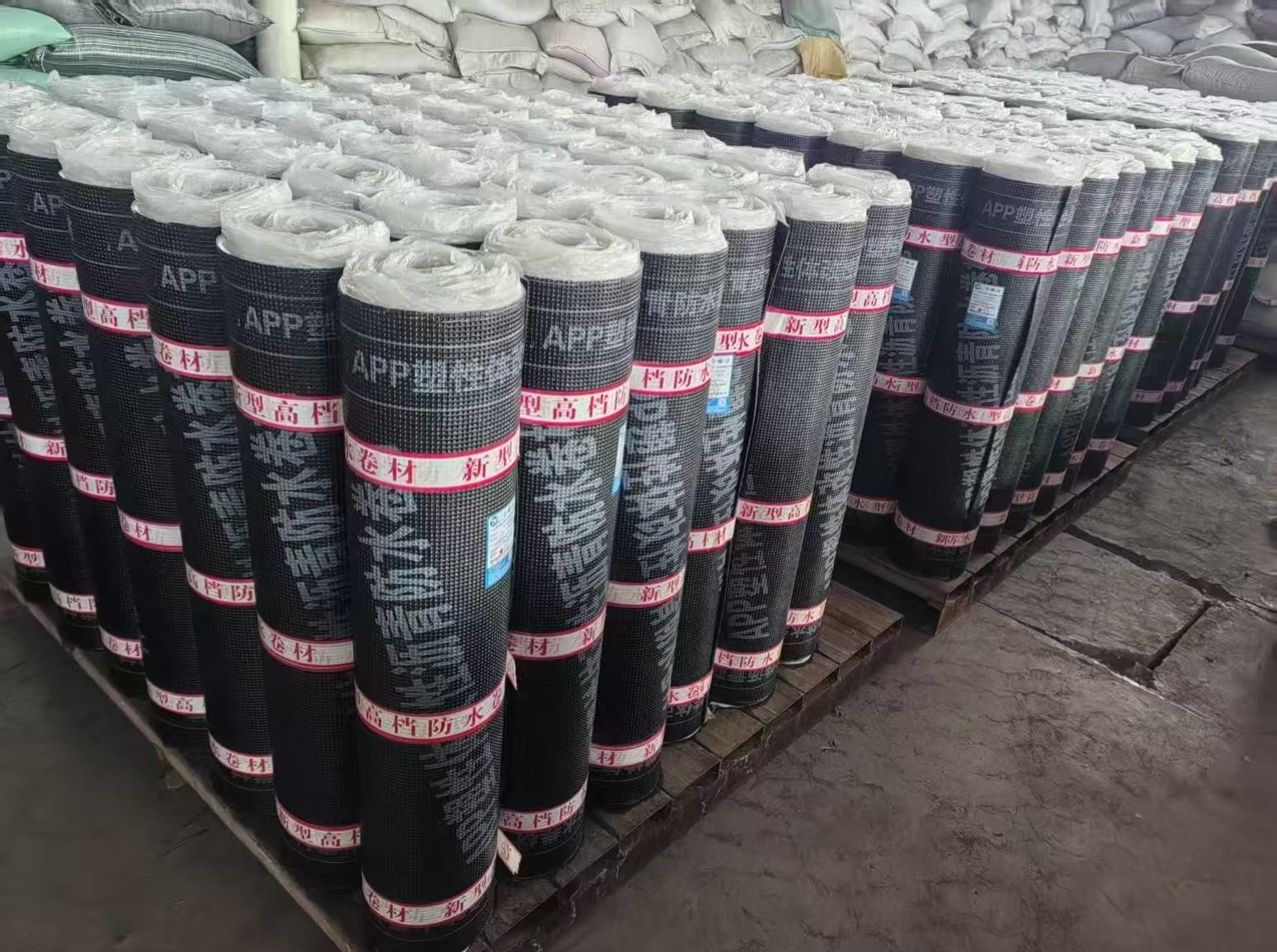
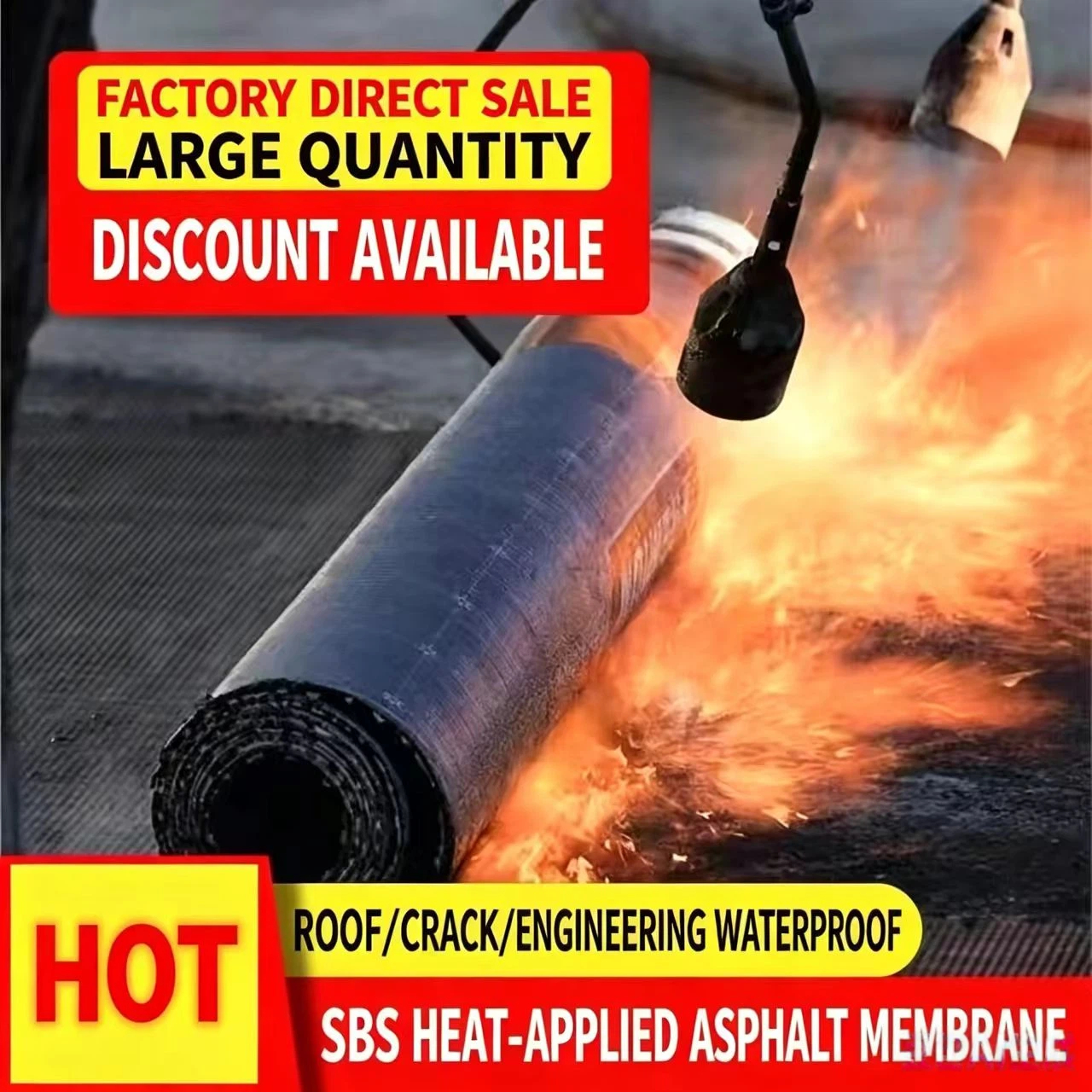
Modified bitumen membranes remain a workhorse for roofs, basements, tunnels and bridges. SBS-modified types offer better low-temperature flexibility, making them suitable for cold regions, while APP-modified and standard modified bitumen handle hot, high-temperature climates well. They are typically applied by torch (open flame) or, where flame is not permitted, in self-adhesive form.
Synthetic Single-Ply Membranes
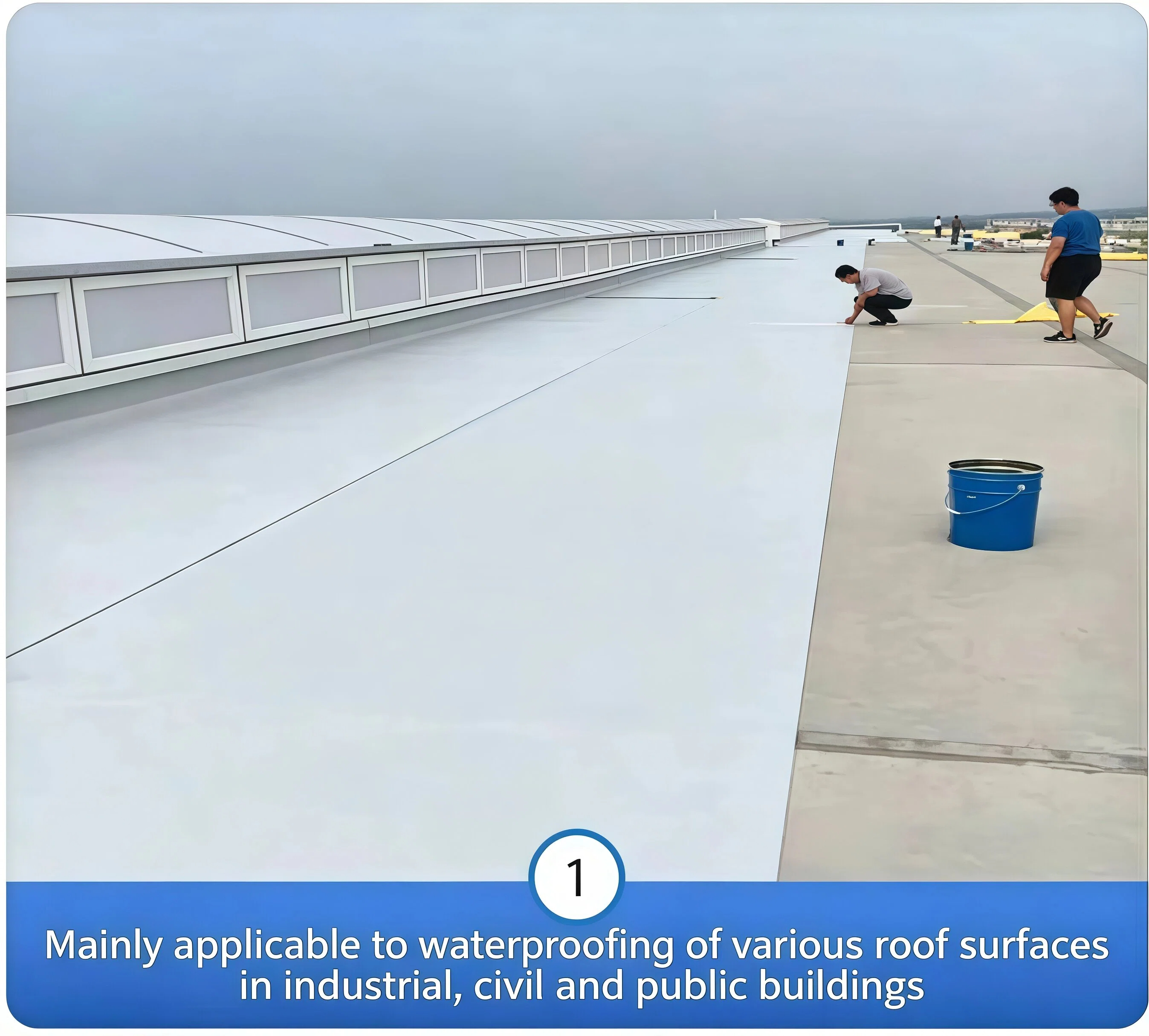
PVC, TPO and EPDM are thermoplastic or rubber single-ply systems usually installed on exposed roofs and increasingly on photovoltaic and large factory roofs. PVC and TPO are heat-weldable, giving strong seam integrity; TPO is valued for all-climate use and chemical resistance, while PVC suits corrosive and chemical environments. EPDM is a rubber membrane with broad temperature tolerance for exposed roofs, hydraulic facilities and landfills.
Self-Adhesive and Pre-Applied Membranes
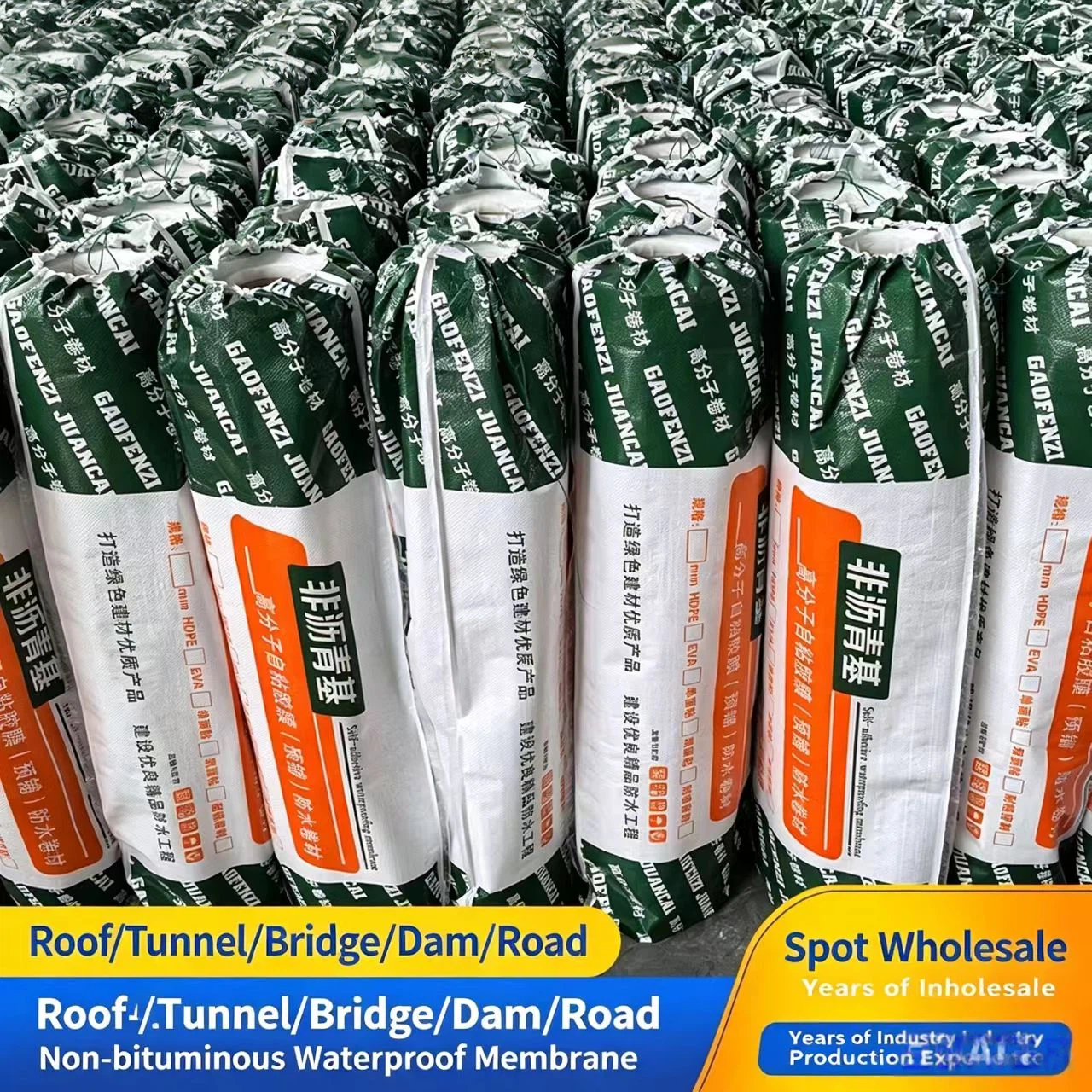
Self-adhesive membranes avoid open flame and speed up installation in kitchens, bathrooms and renovation work. Pre-applied (pre-laid reverse bonding) membranes are designed for underground floors and walls, bonding to the structural concrete poured against them to resist lateral water migration.
Quick Comparison of Common Membrane Types
| Type | Typical Use | Installation | Notable Strength |
|---|---|---|---|
| SBS Modified Bitumen | Roofs, basements, tunnels (cold regions) | Torch / self-adhesive | Low-temperature flexibility |
| Modified Bitumen (APP type) | Roofs, infrastructure (hot regions) | Torch | Heat resistance |
| PVC | Roofs, water pools, chemical projects | Hot air welding | Chemical resistance |
| TPO | Exposed and PV roofs, all climates | Hot air welding | Weldable, weathering |
| EPDM | Exposed roofs, hydraulic, landfill | Adhesive / mechanical | Wide temperature range |
| Self-adhesive bitumen | Wet rooms, renovation, no-flame sites | Peel and stick | No open flame |
Specification Questions to Ask Before Ordering
- Exposure: Will the membrane be exposed to UV permanently, or covered by ballast, screed or concrete?
- Substrate: Concrete, metal deck (color steel tile), or existing membrane being renovated?
- Climate: What are the lowest and highest service temperatures on site?
- Thickness: What membrane thickness does the project specification or local code require?
- Installation method: Is open flame allowed, or do you need self-adhesive or weldable systems?
- Detailing: How will penetrations, upstands and movement joints be sealed?
Buyer Checklist for Import Procurement
- Confirm the membrane type and thickness match your design and any code requirements in your market.
- Request the manufacturer's technical datasheet with tensile strength, elongation and low-temperature flexibility values.
- Verify which standards the product is tested against and ask for available test reports.
- Clarify roll dimensions, weight and packaging to plan freight and on-site handling.
- Confirm compatible accessories: primers, sealing tapes, and node reinforcement coatings.
- Agree on sampling before bulk order, and document lead times for your project schedule.
Pairing Membranes with Coatings and Tapes
Most failures occur at details, not in the field of the sheet. Non-curing rubber asphalt coatings are often used with membranes for node sealing, while butyl rubber self-adhesive tape addresses overlaps, pipe openings and color steel tile seams. For metal roofs, a dedicated self-adhesive membrane for color steel tiles handles substrate-specific bonding. Planning these together with the main membrane order avoids site delays.