What "waterproof roofs" actually means for procurement
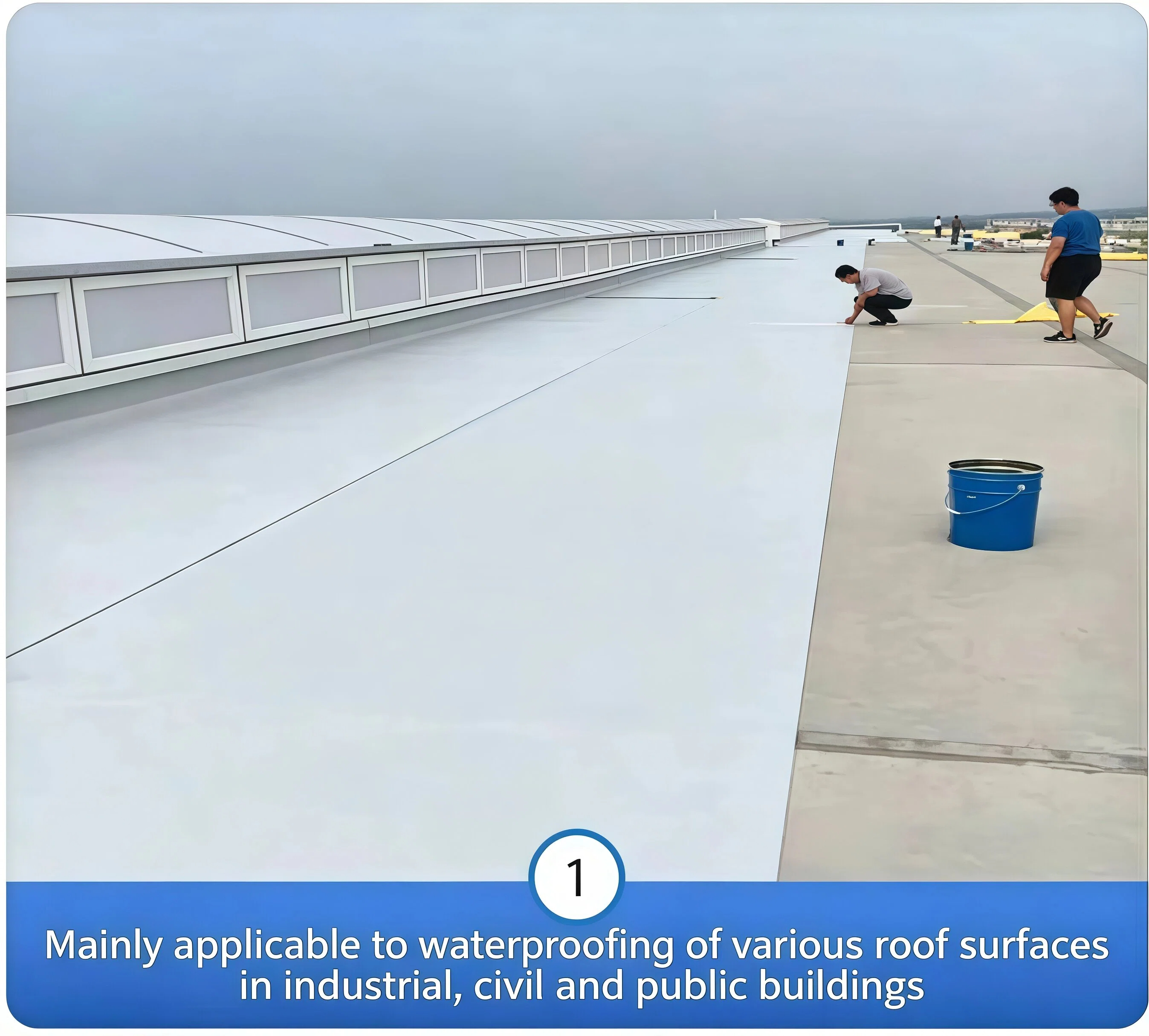
A waterproof roof is a complete system, not a single product. The membrane or coating you buy must match the deck material (concrete, metal, plywood), the local climate, whether the surface is exposed to UV, and the slope. Buying the wrong product for the substrate is the most common cause of premature failure, so the selection process should start with site conditions rather than with a product name.
This guide walks through the main decision points so procurement engineers, contractors and import buyers can shortlist the right category before requesting samples and technical data sheets.
Step 1: Identify the roof substrate
The deck dictates which adhesion and installation method is viable.
- Concrete or screed decks: accept torch-applied or self-adhesive bitumen membranes, mechanically fastened or fully bonded single-ply, and liquid-applied coatings.
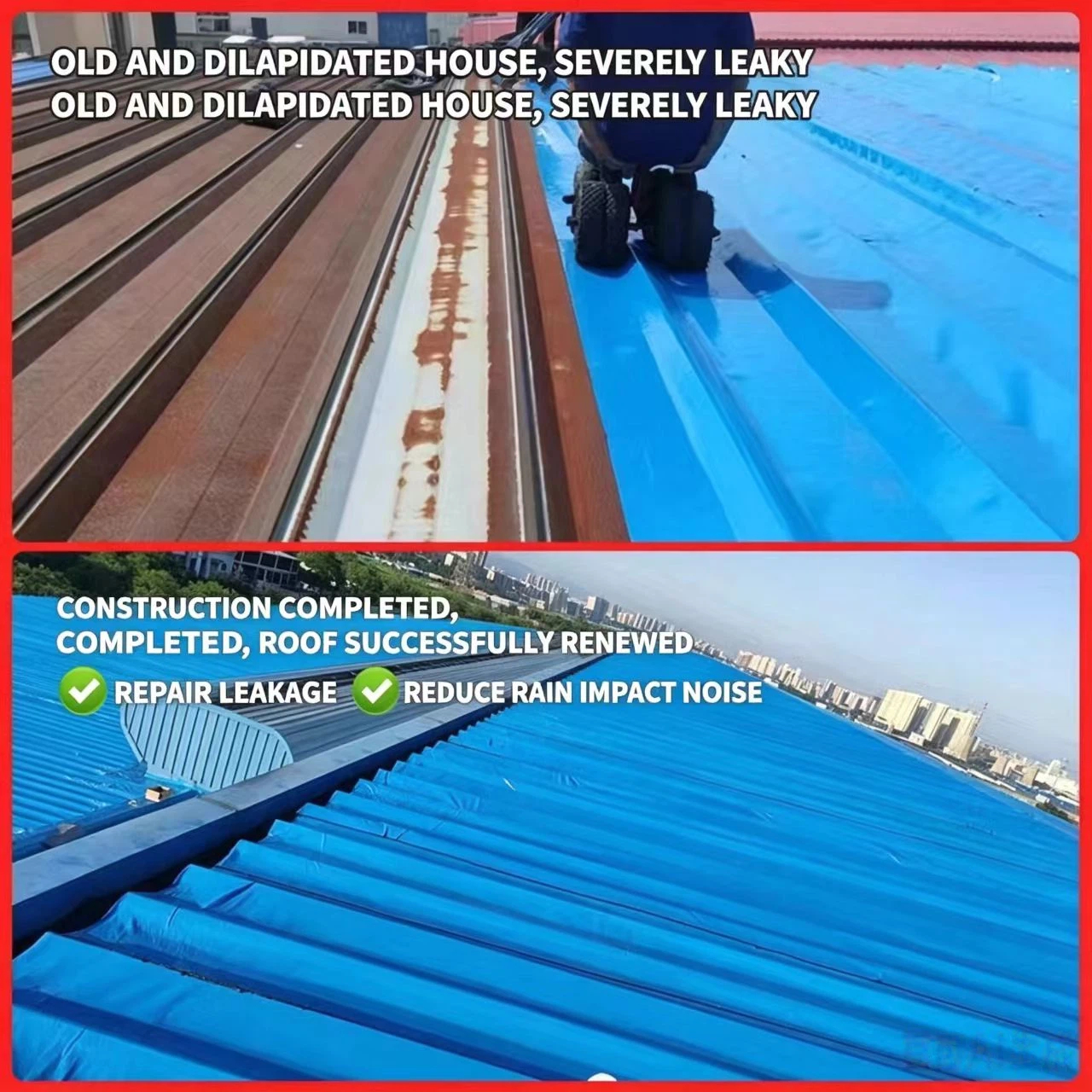
- Metal / color steel tile roofs: require products formulated for metal substrates, where thermal movement and lap joints are the leak risks. Self-adhesive metal-specific membranes and elastic coatings are common choices.
- Irregular or detail-heavy roofs: penetrations, parapets and drains often need liquid coatings that form seamless transitions where sheet membranes are hard to fit.
Step 2: Match the system to climate and exposure
| Condition | Practical consideration | Common category |
|---|---|---|
| Hot / high-UV regions | UV resistance and surface temperature; reflectivity reduces heat load | TPO, PVC, reflective coatings |
| Cold regions | Low-temperature flexibility to avoid cracking | SBS modified bitumen |
| Exposed roofs (no overlay) | Must tolerate direct weathering long-term | EPDM, TPO, PVC, modified bitumen |
| Photovoltaic / equipment roofs | Durability under foot traffic and mounting loads | TPO, PVC |
Step 3: Choose between membranes and coatings
Sheet membranes
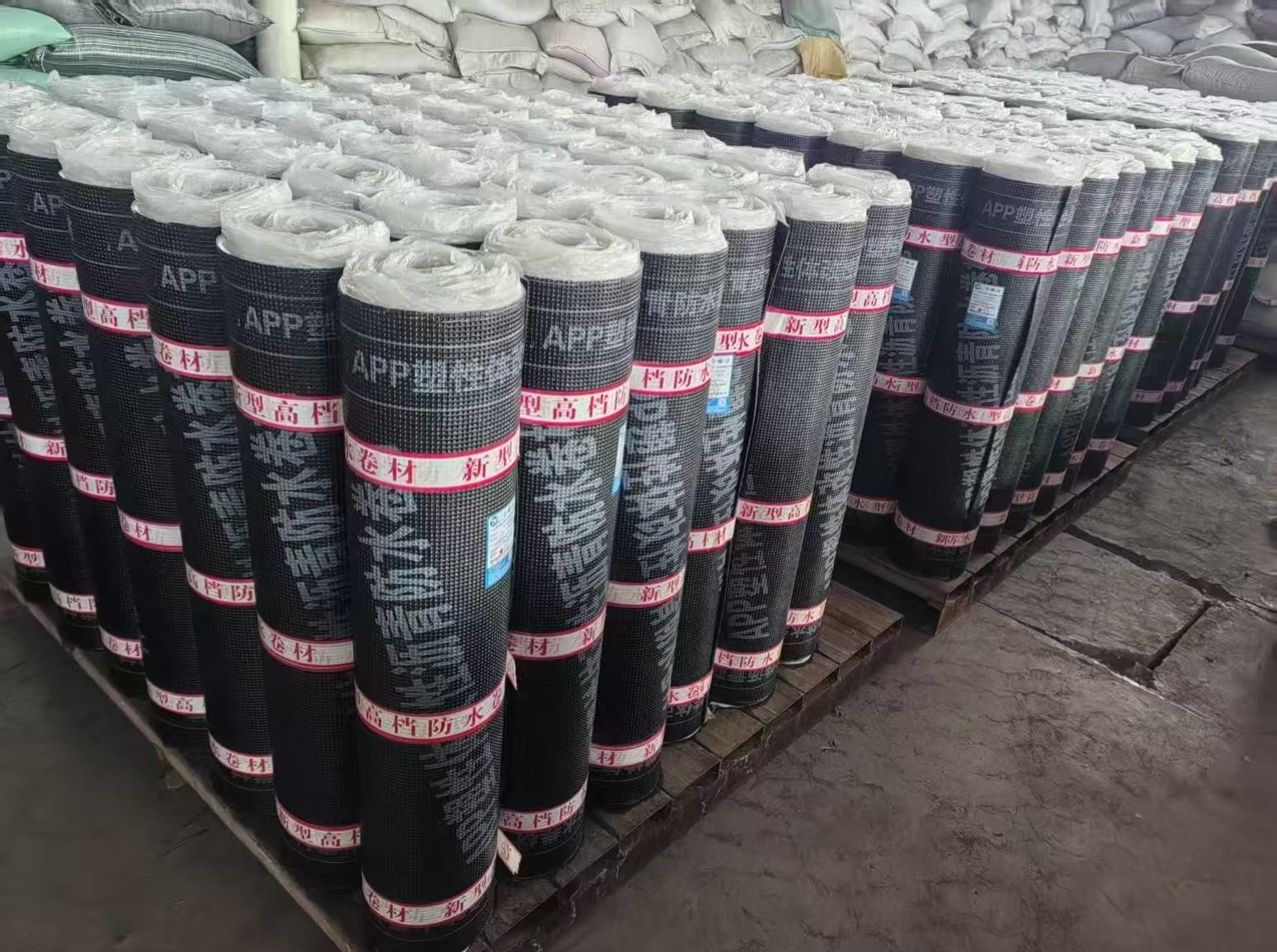
Membranes deliver a consistent, factory-controlled thickness and are efficient over large flat areas. Their weak point is the seam, so seam method matters: heat-welded thermoplastics (TPO, PVC), vulcanized EPDM with taped or adhered laps, and torched or self-adhesive bitumen laps each behave differently. For exposed industrial roofs in hot climates, modified bitumen is a robust choice; for chemically aggressive or corrosive environments, PVC is often specified.
Liquid-applied coatings
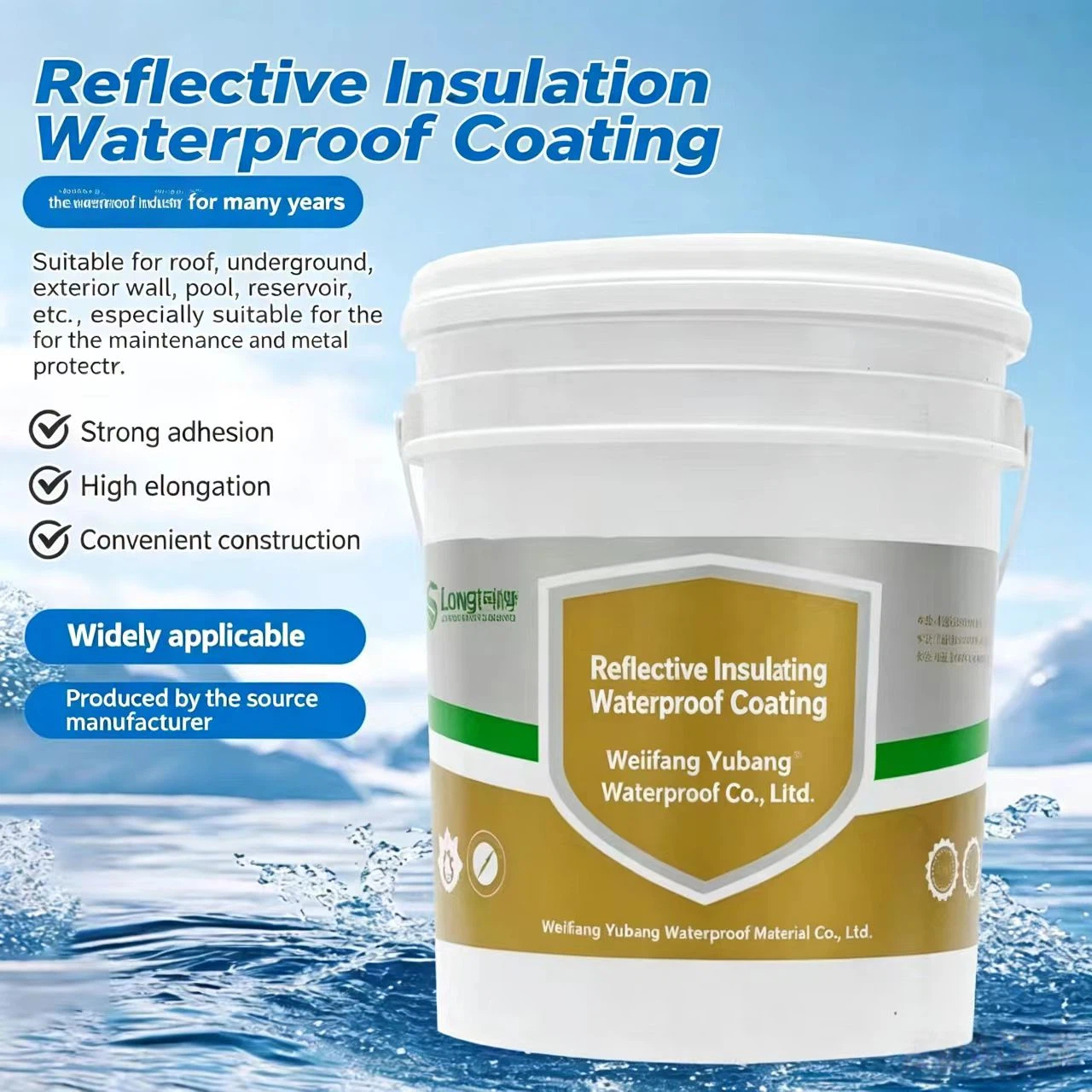
Coatings form a seamless film ideal for complex geometry, repairs and refurbishment. Polyurethane and acrylic elastic coatings handle movement and detailing; reflective coatings add solar reflectance on hot roofs; non-curing rubber asphalt is typically used as a node sealant alongside membranes rather than as a standalone roof surface.
Step 4: Plan for details and repairs
Most leaks occur at penetrations, laps and upstands, not in the open field. Specify a compatible detailing product from the start: self-adhesive butyl tape for lap and crack repair, and non-curing or polyurethane sealants for reinforcing nodes around pipes and drains. Where open flame is prohibited on site, choose self-adhesive bitumen systems instead of torch-applied sheets.
Specification questions to ask suppliers
- What is the nominal thickness and reinforcement (polyester, fiberglass) of the membrane?
- Which test standard does the product conform to, and can you provide the test report?
- What is the recommended primer and adhesive for my specific substrate?
- What seam method is required, and what equipment do my crews need?
- What is the documented UV / weathering performance for exposed use?
- What is the shelf life, storage condition and roll/packaging size for shipping?
Buyer checklist before placing an order
- Confirm substrate, slope and exposure for every roof area.
- Match climate (hot vs cold) to the membrane chemistry.
- Request technical data sheets and conformity test reports.
- Order sample rolls or kits and test adhesion on a representative deck.
- Specify compatible detailing tapes, sealants and primers in the same order.
- Confirm packaging, container loading and lead time for export.
By starting from the deck and climate rather than the product label, you can narrow the field quickly and request only the data that matters for a durable, watertight roof.