This guide is written for importers, roofing contractors, procurement engineers, and distributors who need to specify or buy roof waterproofing materials. "Waterproofing atap" refers to roof waterproofing, and the right choice depends heavily on the roof structure, climate, and how the material will be installed on site.
The aim here is to help you narrow down realistic options before you contact a supplier, so your inquiry is clear and the quotation you receive actually matches your project.
Understanding the buyer intent behind "waterproofing atap"
When buyers search for waterproofing atap, they are usually at one of three stages. Some are planning a new roof and need to select a waterproof membrane or waterproof coating. Others are dealing with an existing roof that leaks and want a repair or renovation product. A third group is comparing suppliers and material types to prepare a tender or a distribution order.
Because "roof" can mean a concrete flat roof, a sloped tile roof, or a metal color steel roof, the same keyword can lead to very different products. Identifying your roof type first will save time and avoid ordering the wrong material.
Common roof application scenarios
Different roofs face different exposure, movement, and detailing challenges. A few typical scenarios:
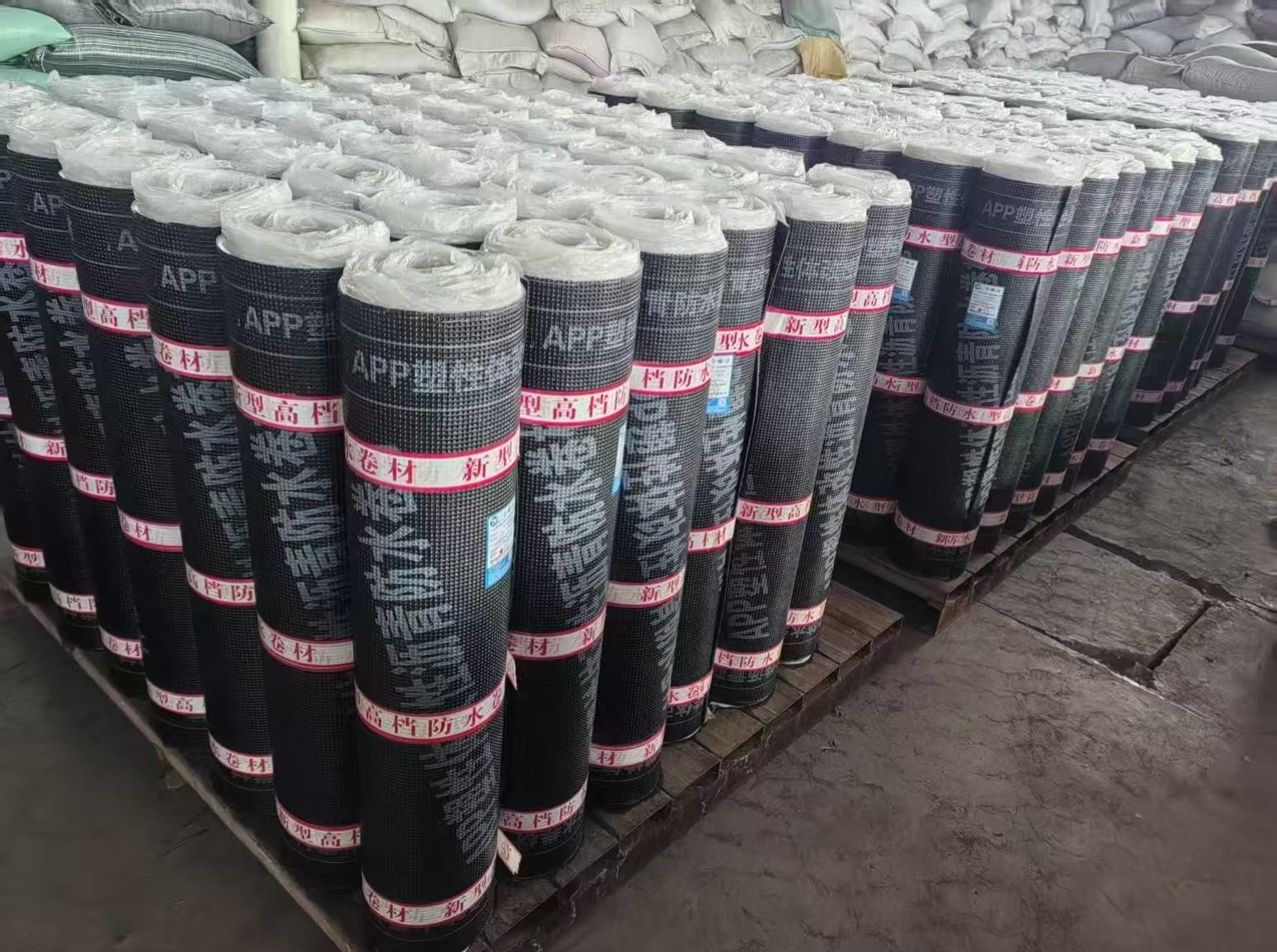
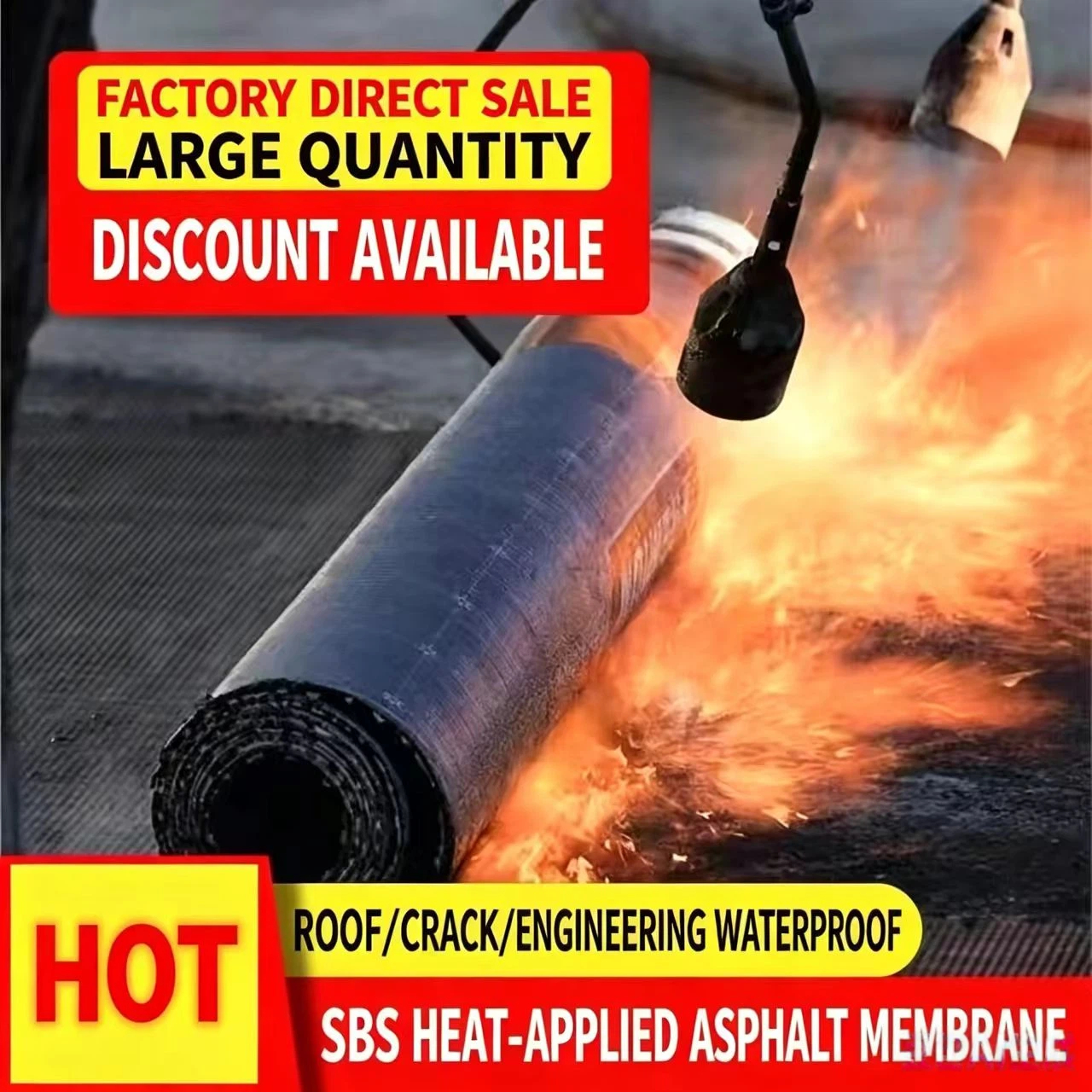
- Exposed concrete flat roofs: Often use bitumen membrane such as SBS membrane or APP membrane, single-ply systems like PVC, TPO, or EPDM membrane, or liquid waterproof coatings for complex shapes.
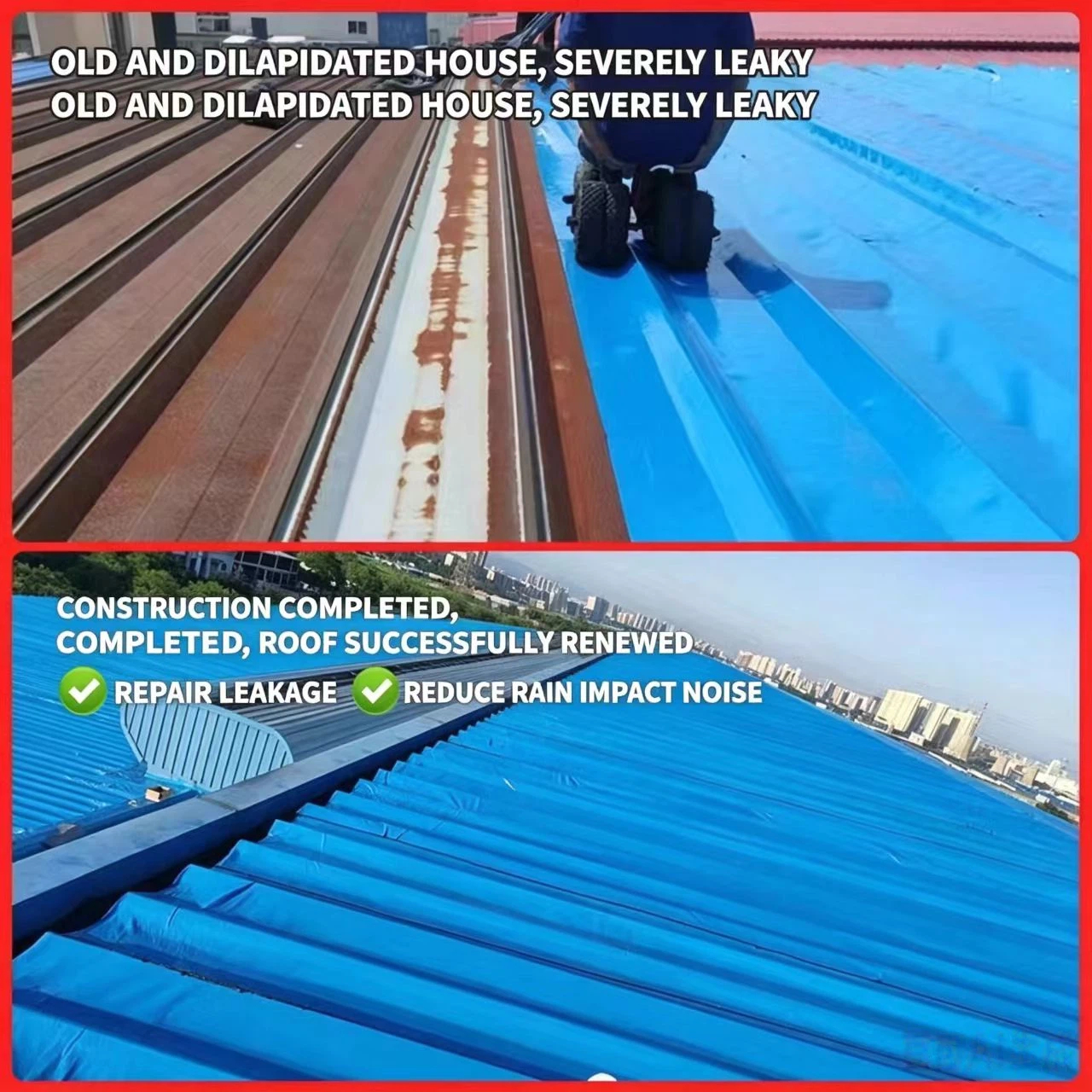
- Metal and color steel tile roofs: Overlaps, screw points, and ridge lines are common leak sources. Self-adhesive membrane for metal substrates or butyl sealing tape is frequently used for repair and renovation.
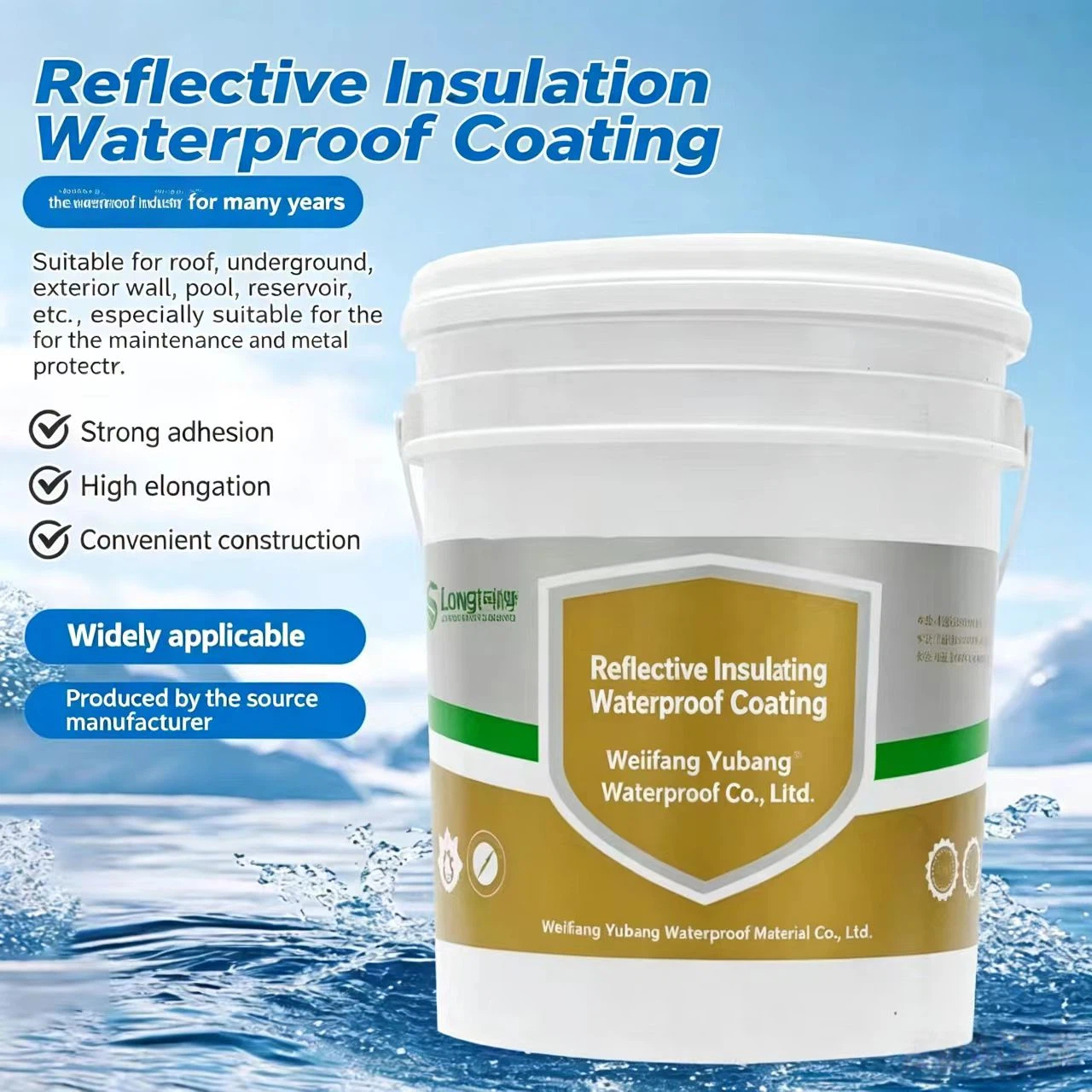
- Roofs in hot regions: Reflective thermal insulation coatings are sometimes considered where surface temperature and heat gain are concerns.
- Roof detailing and joints: Pipe penetrations, gutters, and cracks may need localized reinforcement with tape or a liquid-applied coating alongside the main system.
For basement waterproofing, tunnels, and civil construction, the material logic is different from roofing waterproofing, so confirm the exact application when you ask for options.
Buyer decision table for roof waterproofing
| Project condition | Material option to consider | What to confirm before inquiry | Notes |
|---|---|---|---|
| Exposed concrete flat roof, hot climate | APP-type modified bitumen membrane or single-ply membrane | Thickness, surface finish, roof area, UV exposure | Surface finish affects appearance and exposure handling |
| Exposed concrete roof, cold climate | SBS modified bitumen membrane | Thickness, low-temperature requirement, installation method | SBS is commonly selected for colder regions |
| New or old metal color steel roof | Self-adhesive membrane for color steel tiles | Substrate condition, roll width, overlap details | Made for metal substrates and renovation work |
| No open flame allowed on site | Self-adhesive modified bitumen membrane | Substrate primer needs, ambient temperature | Useful where torch application is restricted |
| Complex shapes and detailing | Polyurethane or acrylic waterproof coating | Coverage rate, number of coats, drying time | Often paired with membranes at joints |
| Localized leaks and overlaps | Butyl self-adhesive waterproof tape | Crack width, surface cleanliness | For repair, not full-roof waterproofing |
How to choose specifications
Once you know the roof type, specification details decide the final material and price. When possible, confirm the following:
- Thickness: Membranes are commonly specified by thickness; the correct value depends on substrate, exposure, and local specification.
- Roll width and length: Affects overlap, waste, and labor. Metal roof products may use different widths from concrete roof products.
- Surface finish and reinforcement: Finishes and internal reinforcement vary by product type and intended exposure.
- Installation method: Torch-applied, self-adhesive, mechanically fixed, or liquid-applied. This changes both the product and site requirements.
- Packing and quantity: Rolls per pallet, coating pail sizes, and total order volume influence packing and container loading.
- Destination port: Needed for freight and lead-time planning.
These details should be verified against your project drawings and local standards rather than assumed.
Questions to prepare before requesting a quotation
- What is the roof type: concrete, tile, or metal color steel?
- Is the roof exposed to sunlight, or will it be covered or protected?
- Is this new construction or a repair and renovation project?
- What is the total roof area or estimated quantity?
- Are there any restrictions on open-flame installation?
- What thickness or specification does your local design require?
- What is the destination port and required packing?
- Do you need matching accessories such as tape, primer, or joint coatings?
Common mistakes and selection risks
A frequent mistake is choosing a material by price alone without matching it to the roof type and climate. A membrane suited to a concrete roof may not be ideal for a metal roof, and a product intended for covered use is not the same as one for permanent exposure.
Another risk is ignoring detailing. Many roof leaks start at joints, penetrations, and overlaps rather than in the open field, so plan reinforcement products from the start. Finally, ordering without confirming thickness, width, and packing often leads to quotation mismatches and delays. Clear specifications reduce these problems.
Getting the right roof waterproofing selection
Roof waterproofing is a system decision, not just a single product. If you share your roof type, climate, project scope, and installation constraints, we can help match a suitable membrane or coating and confirm the specifications that fit your project. Reach out with your project details for product selection support rather than a generic quote.