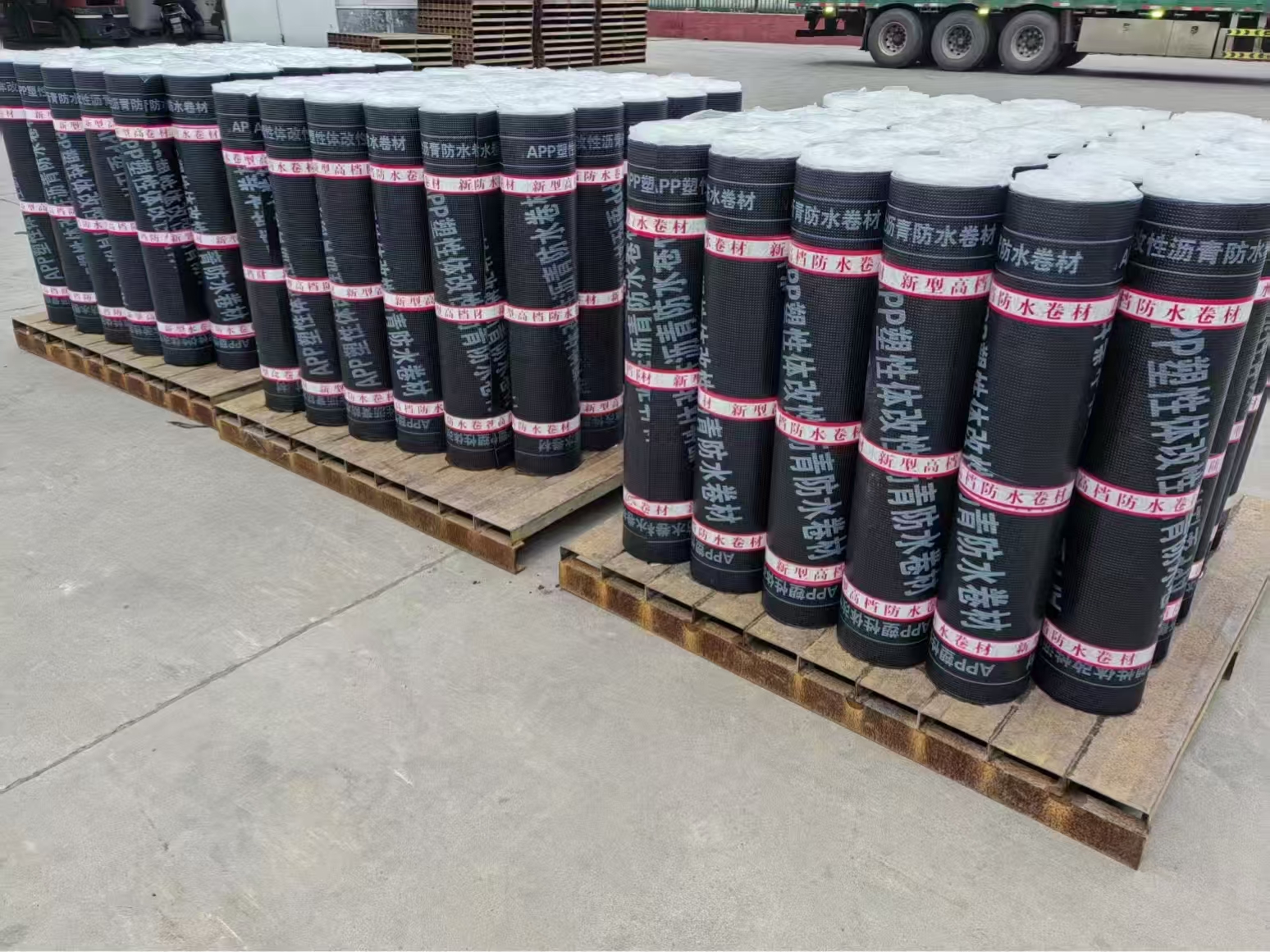
This guide is for importers, contractors, procurement engineers, and distributors who search for a waterproofing mat and need to turn that broad term into a specific, quotable product. In many markets, buyers use "mat" loosely to mean a sheet-type waterproof membrane, a rolled bitumen membrane, or sometimes a protective layer used with a coating system.
The purpose here is to help you clarify what you actually need, so your inquiry leads to accurate pricing and correct material selection instead of back-and-forth confusion. The right choice depends on substrate, climate, exposure, and application method.
Understanding the buyer intent behind "waterproofing mat"
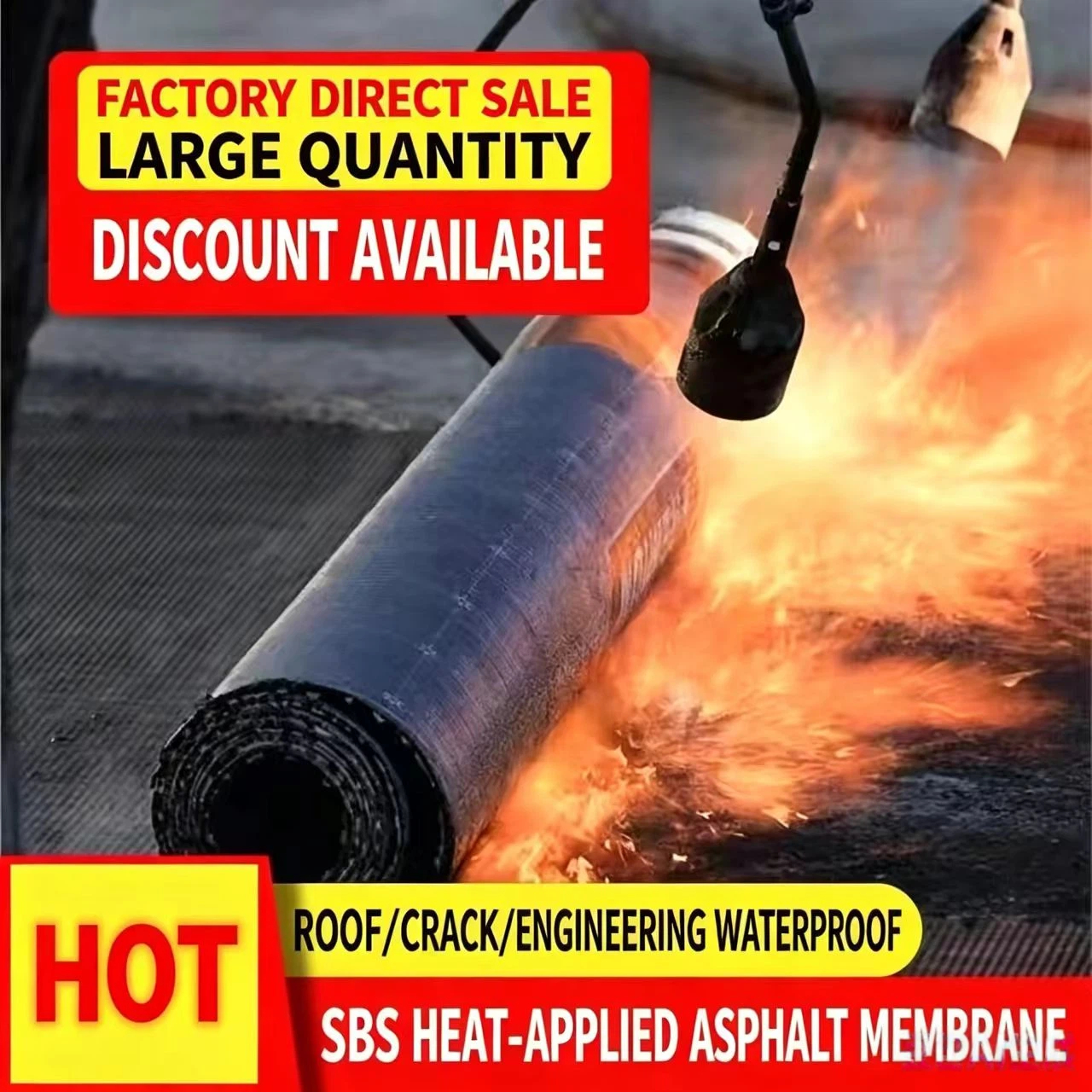
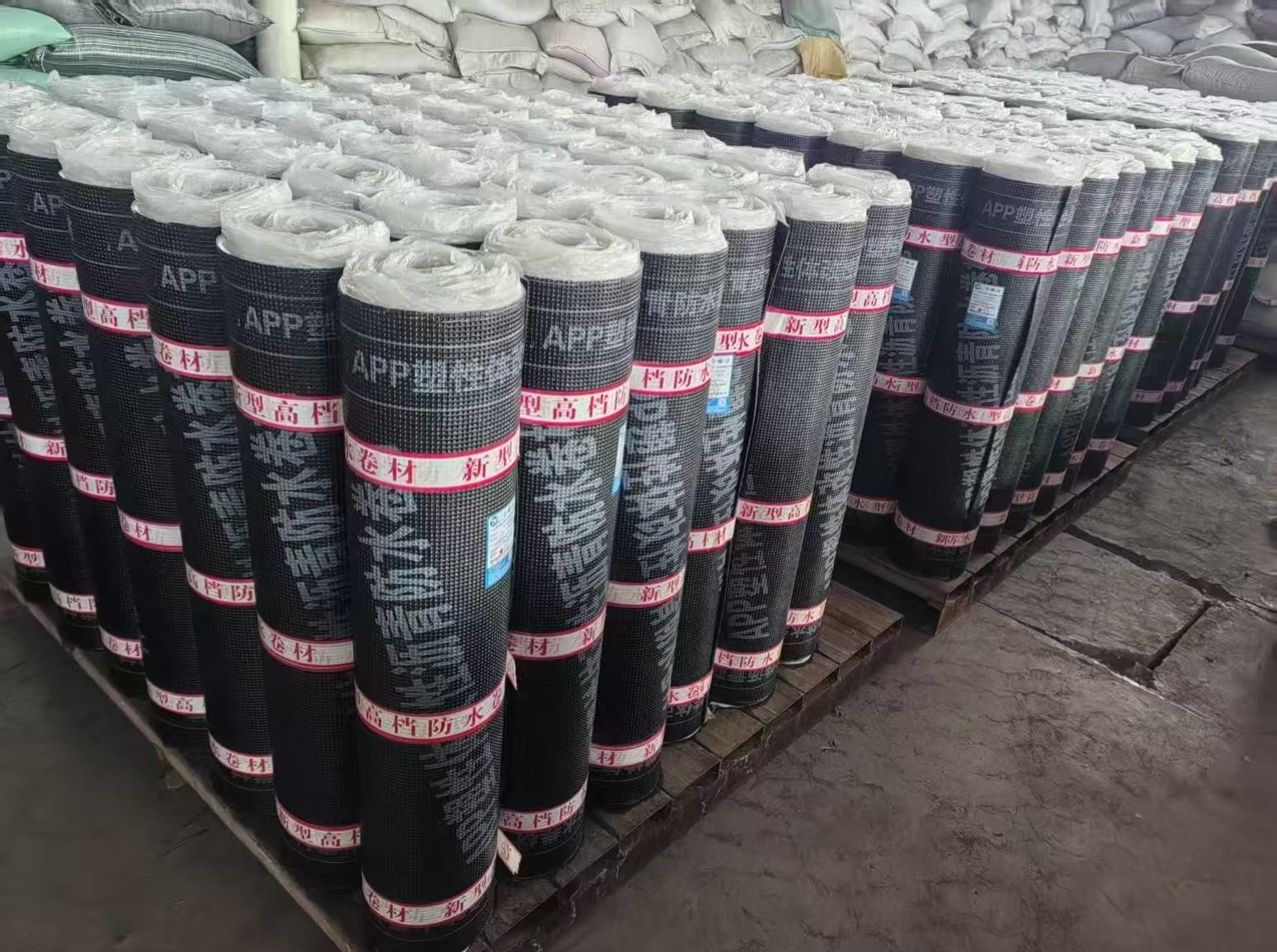
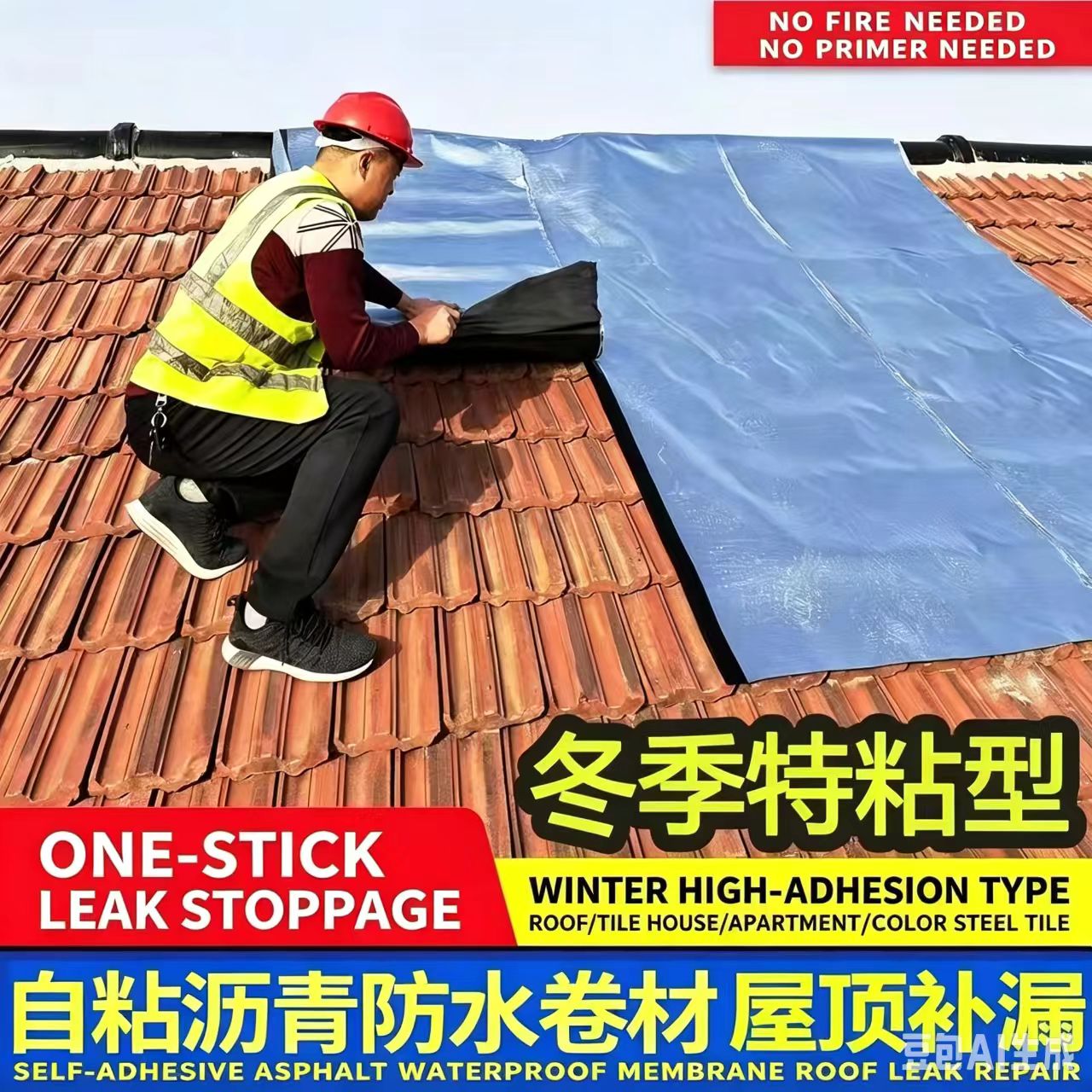
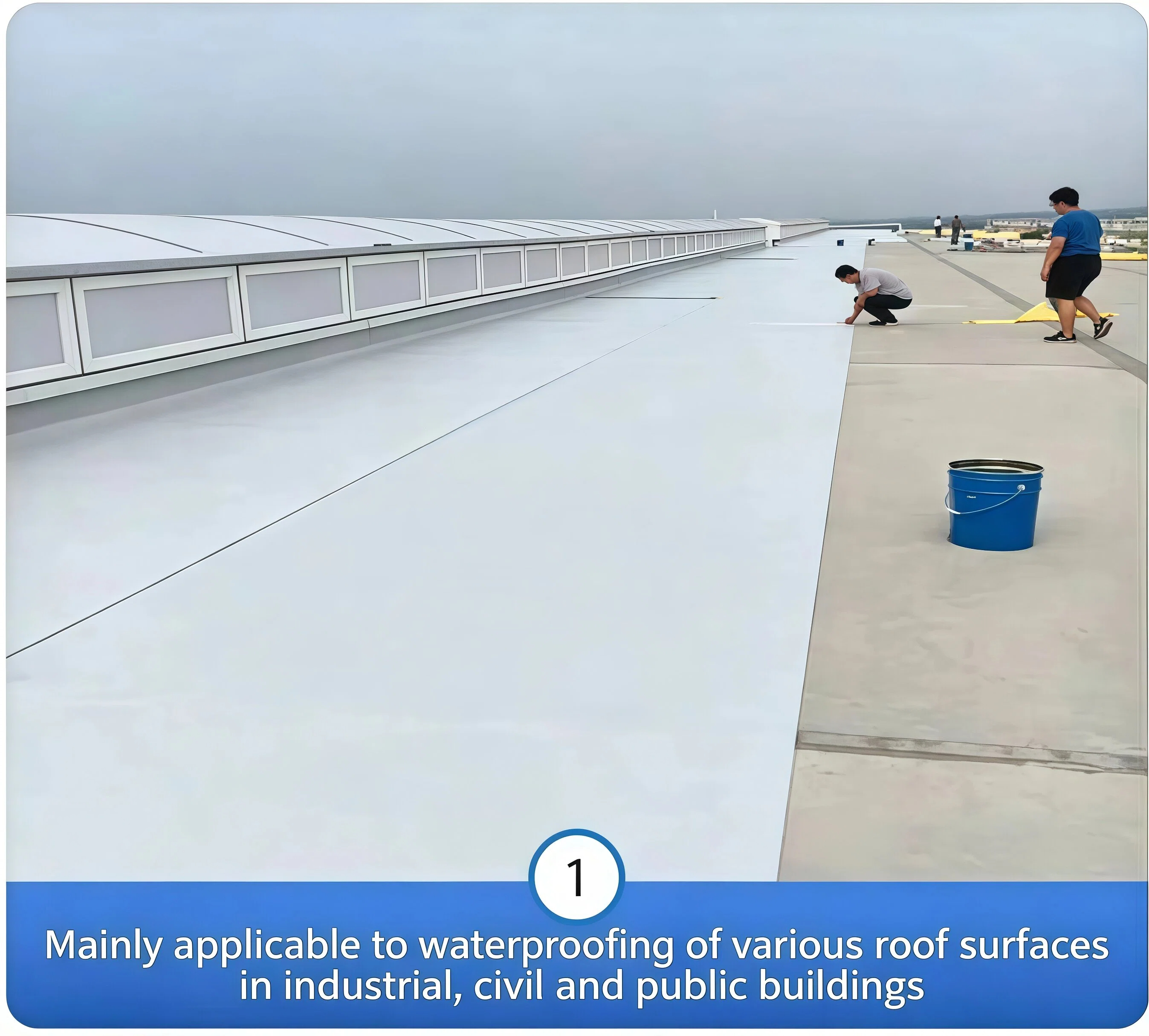
When buyers request a waterproofing mat, they usually mean one of a few things. It may be a rolled waterproof membrane such as an SBS membrane or APP membrane, a self-adhesive membrane for cold or flame-free application, or a synthetic sheet such as PVC, TPO, or EPDM membrane. In some cases the request refers to a protection or drainage mat used above waterproofing.
Because the term is not standardized across regions, the first step is to describe the project. Is it a roof, a basement, a tunnel, or a metal roof? Is the surface exposed to sunlight? Will installation use torch, hot air welding, self-adhesive, or a liquid coating? These answers decide whether you need a bitumen membrane, a polymer sheet, or a waterproof coating system.
Common application scenarios
Different projects call for different mat or membrane types. Matching the material to the environment reduces failure risk and rework.
- Exposed flat roofs: Often use SBS or APP modified bitumen membrane, or synthetic sheets like PVC and TPO for mechanically fastened or fully adhered systems.
- Basements and underground walls: Pre-applied anti-adhesive self-adhesive membrane, SBS membrane, or crystalline coatings are common depending on positive or negative side application.
- Tunnels and municipal corridors: EPDM, TPO, and reinforced bitumen membranes are frequently specified for durability and movement tolerance.
- Metal and color steel roofs: Polymer self-adhesive membranes designed for metal substrates, or reflective thermal insulation coatings in hot climates.
- Repair and detailing work: Butyl rubber self-adhesive tape and non-curing rubber asphalt coating for joints, laps, and pipe penetrations.
Buyer decision table
| Project condition | Material option | What to confirm before inquiry | Notes |
|---|---|---|---|
| Exposed roof, hot climate | APP-type or SBS modified bitumen membrane, or TPO membrane | Thickness, surface finish, UV exposure, installation method | Mineral or foil surfacing affects exposure suitability |
| Underground basement wall | Pre-applied self-adhesive membrane or crystalline coating | Positive/negative side, water table, substrate condition | Pre-applied types suit blind-side application |
| Metal / color steel roof | Polymer self-adhesive membrane for metal, reflective coating | Panel profile, existing corrosion, temperature range | Substrate must be clean and dry for adhesion |
| Flame-free site | Self-adhesive modified bitumen membrane | Ambient temperature during install, primer needs | Avoids torch use in sensitive areas |
| Chemical or wet exposure | PVC or EPDM membrane | Chemical type, contact duration, welding capability | Confirm compatibility with the specific medium |
How to choose specifications
Once the material family is clear, the specification details determine both performance and price. For rolled membranes, confirm thickness, roll width and length, reinforcement type such as polyester or glass fiber, and surface finish like sand, mineral, film, or foil. For polymer sheets, confirm whether the material is reinforced and whether it is intended for mechanical fastening, adhesion, or ballasting.
Installation method matters as much as the material. Torch-applied, hot-air welded, self-adhesive, and liquid-applied systems each have different site requirements. Also confirm packing details, roll count per pallet, total order quantity, and destination port, since these affect logistics and quotation. Local specifications or project drawings should always guide the final choice.
Questions to prepare before requesting a quotation
- What is the project type and substrate, for example concrete roof, metal roof, or basement wall?
- Will the surface be exposed to sunlight or covered by screed, tiles, or soil?
- What installation method can the site support: torch, hot air welding, self-adhesive, or coating?
- What thickness or thickness range does your specification require?
- What total quantity and roll or drum sizes do you need?
- What is the destination port and any packing or labeling requirement?
- Are there local standards or project drawings the material must match?
Common mistakes and selection risks
A frequent error is ordering by the word "mat" alone without defining membrane type, which leads to wrong material and delays. Another is ignoring exposure: a membrane suited for buried use may not perform on an exposed roof without UV-resistant surfacing. Selecting thickness only by price can also cause problems if it does not match the design requirement.
Adhesion failures often trace back to substrate condition rather than the product. Metal, damp concrete, and dusty surfaces each need proper preparation and sometimes a primer. Finally, mixing incompatible materials, such as certain coatings with certain membranes, can undermine the system. When in doubt, confirm compatibility before ordering.
Getting the right product selected for your project
Because "waterproofing mat" covers several very different products, the most useful next step is to describe your project conditions and let a specification review guide the material choice. Share the substrate, exposure, installation method, thickness target, quantity, and destination port, and our team can help match a suitable membrane or coating and prepare an accurate quotation.