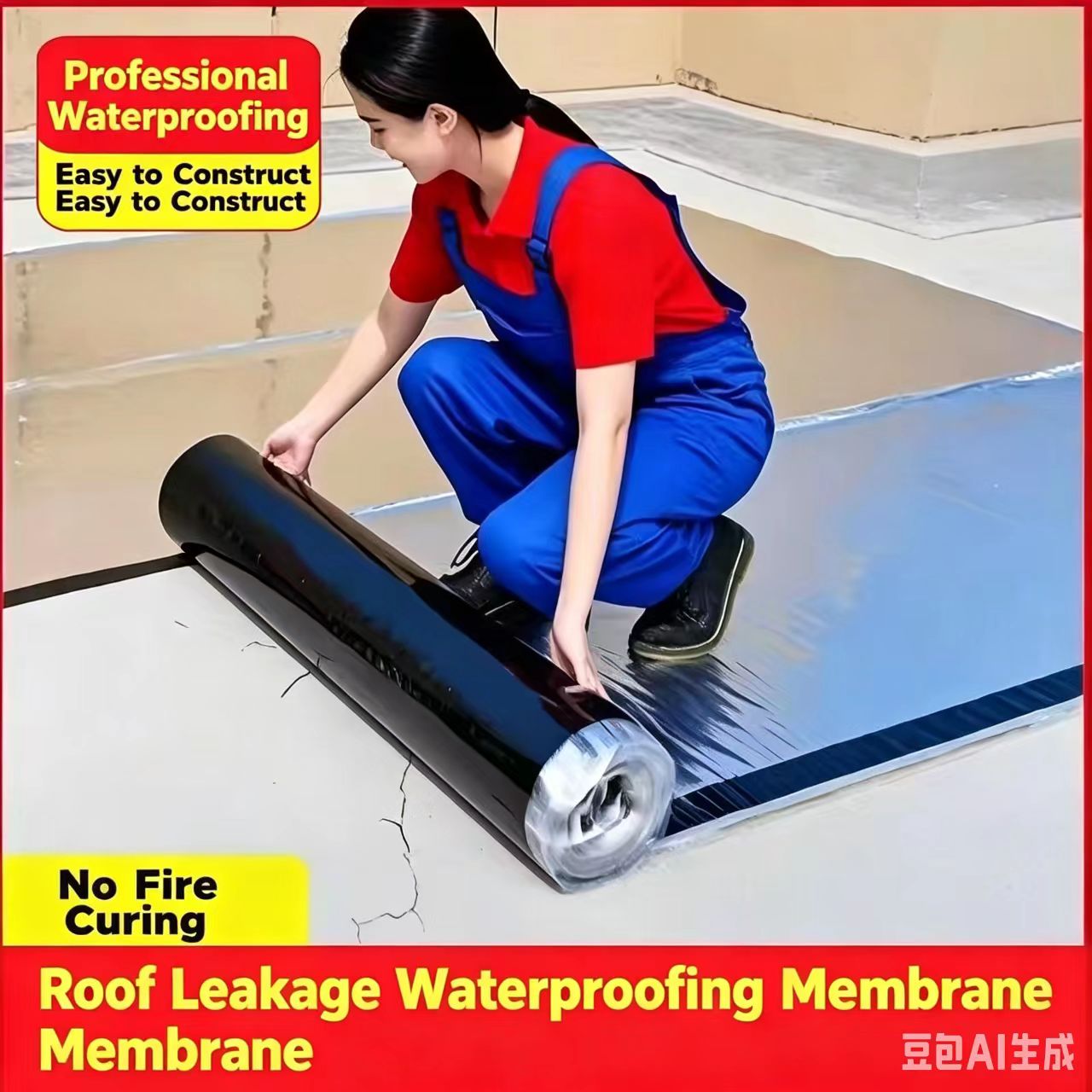
This guide is written for contractors, procurement engineers, distributors and project buyers who need a waterproofing membrane for concrete surfaces and want to confirm the right product before requesting a quotation. Concrete structures behave differently from metal or timber substrates, so the choice of membrane, adhesion method and reinforcement matters more than a simple price comparison.
Below you will find how buyers usually search for this product, where these membranes are applied, a decision table, specification notes, and the questions we ask before quoting. The goal is to help you specify correctly, not to push a single product.
Buyer intent behind "waterproofing membrane for concrete"
When buyers search for a waterproofing membrane for concrete, they are usually solving one of a few problems. Some need to waterproof a new cast-in-place concrete roof or podium slab. Others are dealing with basement walls and floor slabs where water pressure and negative-side seepage are concerns. A third group handles infrastructure such as tunnels, bridge decks and utility corridors.
The keyword is broad, so the correct answer depends on whether the concrete is exposed to sunlight, buried underground, or under a protective screed. It also depends on installation method, since some sites allow torch application while others require self-adhesive or cold-applied systems. Clarifying these points early avoids ordering the wrong roll or coating.
Common application scenarios on concrete
Concrete waterproofing covers a wide range of civil construction work. Typical scenarios include:
- Exposed concrete roofs and podium decks that face UV, thermal movement and standing water.
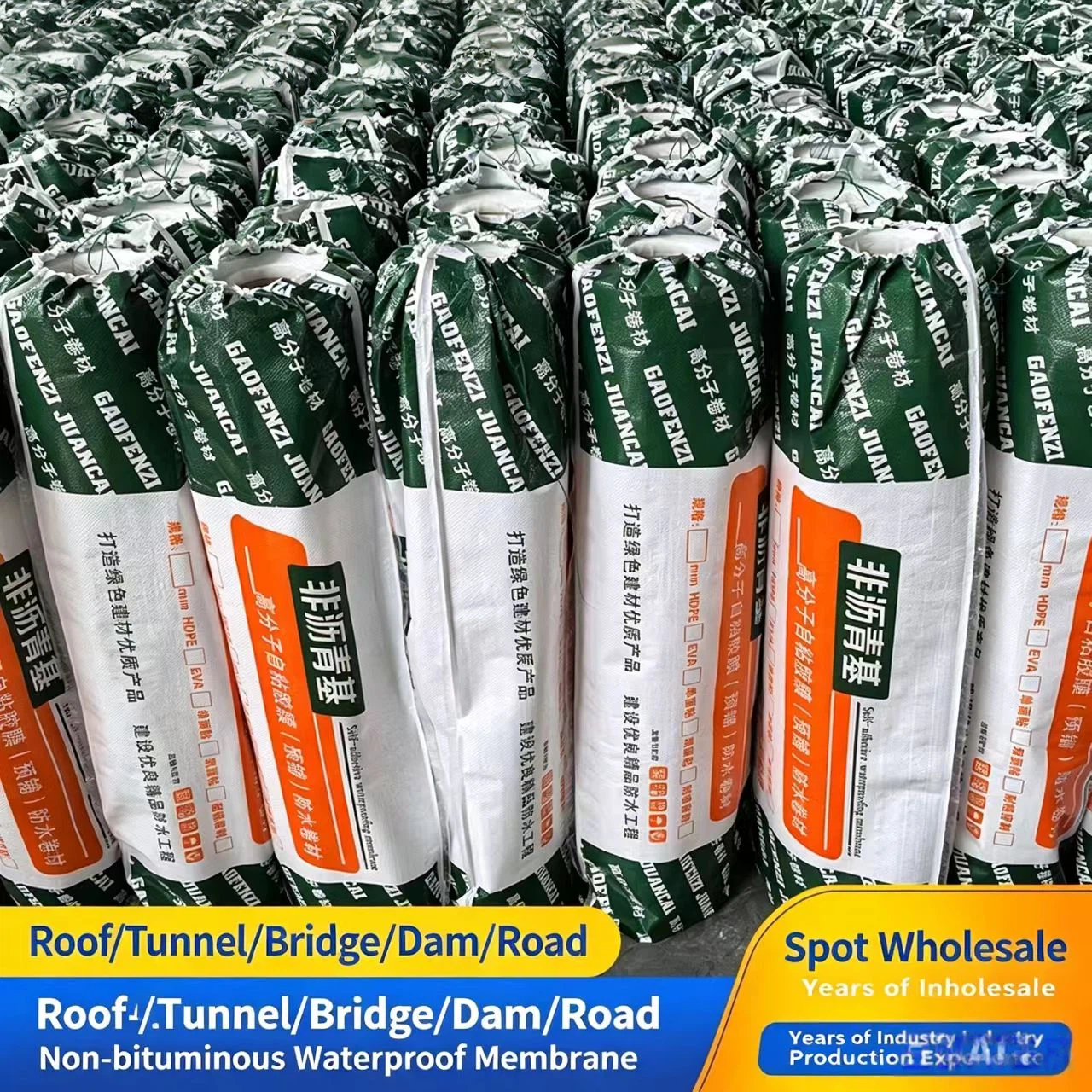
- Basement floors and retaining walls, including pre-applied membranes for foundation slabs where the concrete is cast against the membrane.
- Tunnels, municipal pipe corridors and underground structures with continuous moisture contact.
- Water pools, tanks and hydraulic facilities that require chemical resistance and consistent bonding.
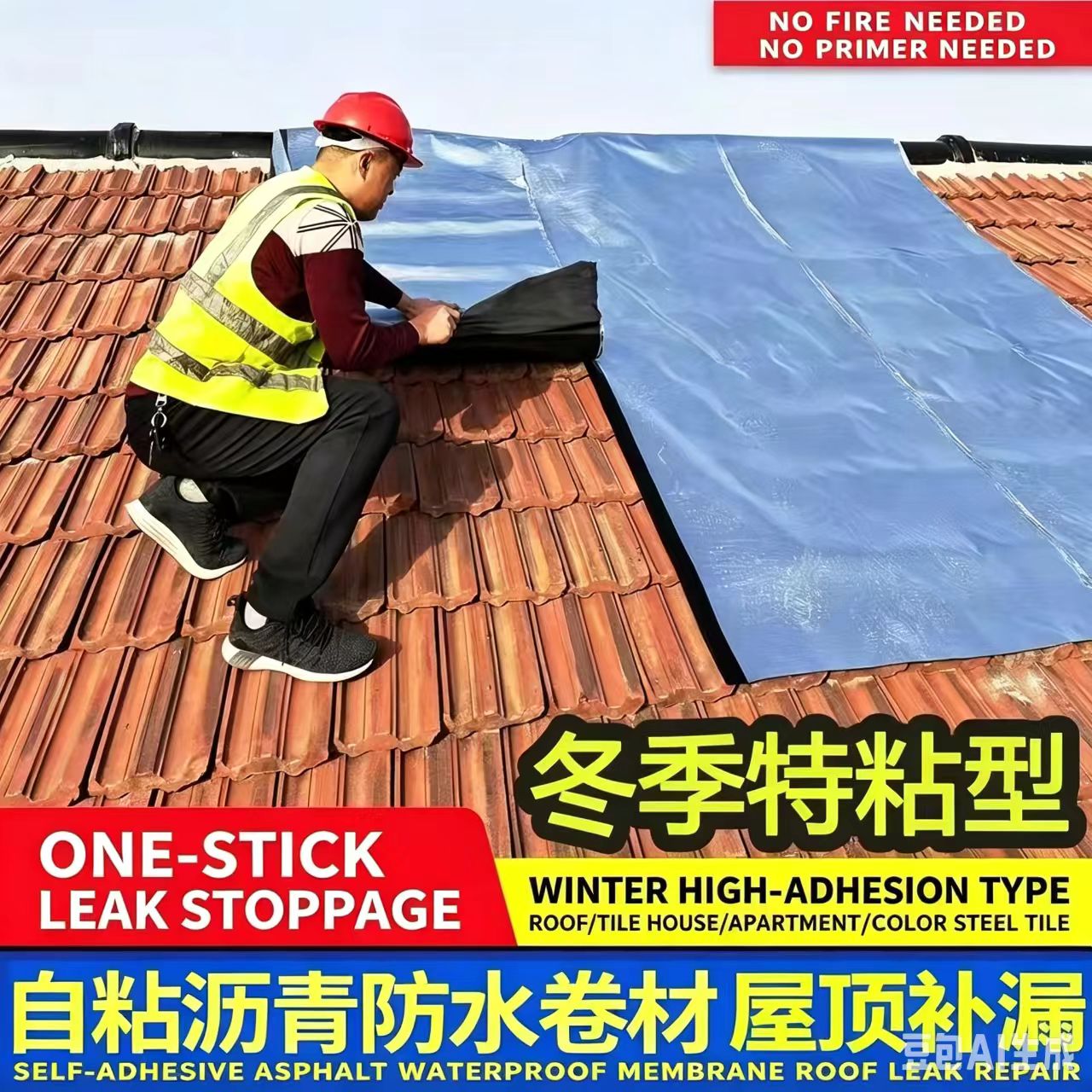
- Repair and renovation of aged concrete where a coating or self-adhesive membrane can be applied over an existing surface after preparation.
For crack detailing, pipe penetrations and joints in concrete, a liquid coating or sealing tape is often combined with the sheet membrane to reinforce vulnerable areas.
Buyer decision table for concrete waterproofing
| Project condition | Material option | What to confirm before inquiry | Notes |
|---|---|---|---|
| Exposed concrete roof, hot climate | Modified bitumen membrane, PVC or TPO membrane | UV exposure, roof slope, surface finish, thickness | Surface finish and reflectivity affect heat performance |
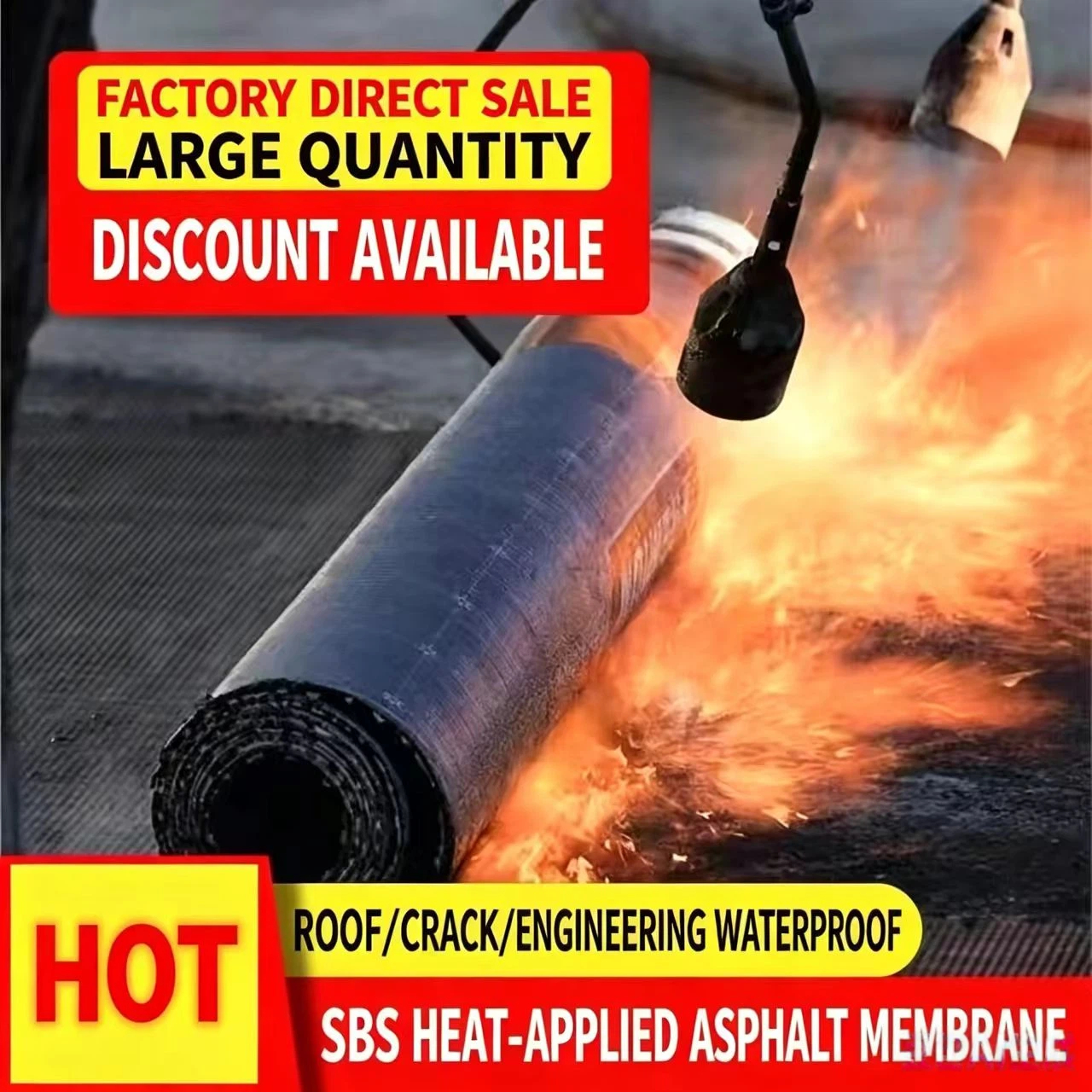
| Exposed roof, cold climate | SBS modified bitumen membrane | Low-temperature flexibility, installation method | SBS is commonly specified for colder regions |
| Basement wall and slab (post-applied) | Self-adhesive modified bitumen or polymer membrane | Water table, positive or negative side, protection layer | Confirm whether open flame is allowed on site |
| Foundation slab (cast against membrane) | Pre-applied anti-adhesive self-adhesive membrane | Concrete pour sequence, overlap detailing | Designed to bond to freshly poured concrete |
| Tunnels, pools, dams | EPDM, PVC, or cement-based crystalline coating | Chemical exposure, continuous water contact | Crystalline coatings can work on both faces of concrete |
| Joint and crack reinforcement | Polyurethane coating, non-curing rubber asphalt, butyl tape | Movement joints, penetration details | Usually combined with a sheet membrane |
How to choose specifications
Once the scenario is clear, specifications decide the final product. For sheet membranes, confirm thickness, roll width and length, surface finish (sanded, film, mineral or foil), and whether a reinforcement layer such as polyester or fiberglass is required. Torch-applied, self-adhesive and mechanically fixed systems each suit different sites, so state the intended installation method.
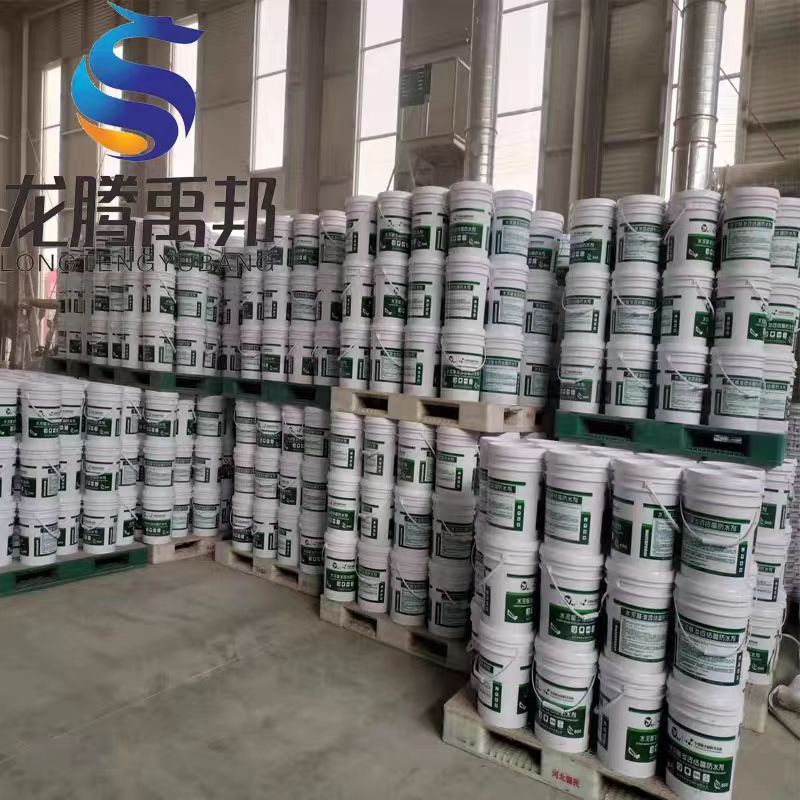
For coatings on concrete, confirm single or double component, wet-film and dry-film thickness, and whether the product must resist water pressure from the negative side. Packing and quantity also matter for export planning, along with the destination port so we can advise on container loading and lead time. Local specifications or design drawings should always take priority when they exist.
Questions to prepare before requesting a quotation
- Is the concrete exposed, buried, or covered by a screed or protection layer?
- What is the project climate, including temperature range and UV exposure?
- Is torch application allowed, or do you need a self-adhesive or cold-applied system?
- What thickness, roll size and surface finish does your specification require?
- Do you need reinforcement, and on which side of the concrete is waterproofing applied?
- What is the total quantity, packing preference and destination port?
- Are there joints, cracks or penetrations that need separate detailing products?
Common mistakes and selection risks
A frequent mistake is choosing a membrane by price alone without matching it to the substrate and climate. A product suited to a cold region may not be the ideal choice for a hot, exposed roof, and the reverse is also true. Another risk is ignoring the installation method: ordering a torch-applied membrane for a site where open flame is prohibited leads to delays and rework.
Buyers also sometimes skip joint and penetration detailing, which is where many concrete leaks actually begin. Pairing a sheet membrane with a compatible coating or sealing tape reduces this risk. Finally, confirm whether waterproofing is applied on the positive or negative side of the concrete, since not all products perform the same under water pressure from the reverse face.
Get product selection support
If you are comparing options for a concrete roof, basement or infrastructure project, share your substrate, climate, installation method and quantity, and we can help narrow the choice to the most suitable membrane or coating system. Sending drawings or a specification, when available, lets us match products and packing to your destination more accurately.