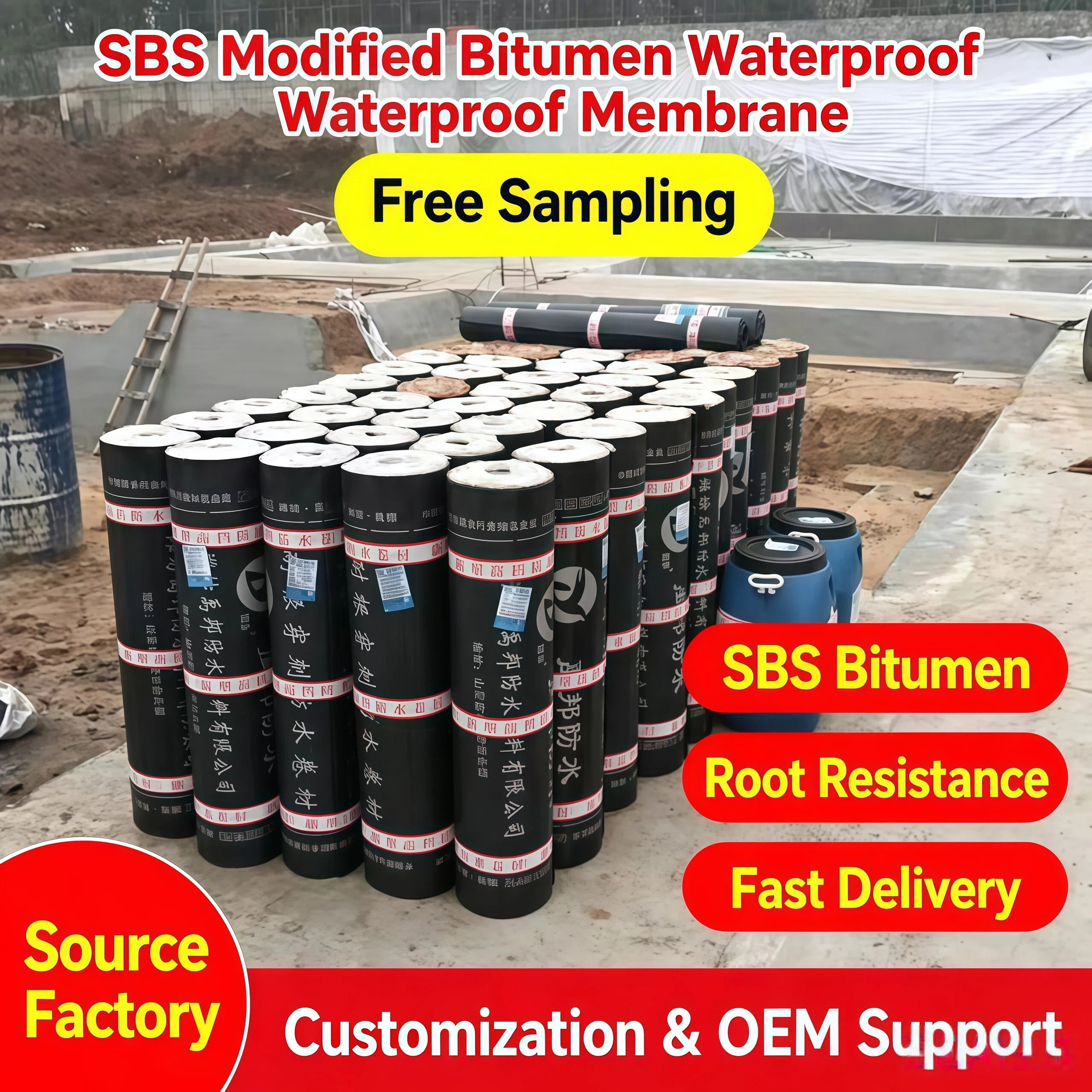
This guide is written for importers, waterproofing contractors, procurement engineers, and distributors who need to source a waterproofing sheet for a specific project and want to send a clear inquiry the first time. If you are comparing bitumen membrane, PVC, TPO, EPDM, or self-adhesive membrane options and are not sure which fits your substrate and climate, the sections below help you narrow the choice.
The aim is not to declare one product the winner. Waterproofing selection depends on substrate, exposure, climate, installation method, and local specification. What follows is a framework you can use to shortlist a material and confirm the details that affect price and performance.
Understanding the buyer intent behind "waterproofing sheet"
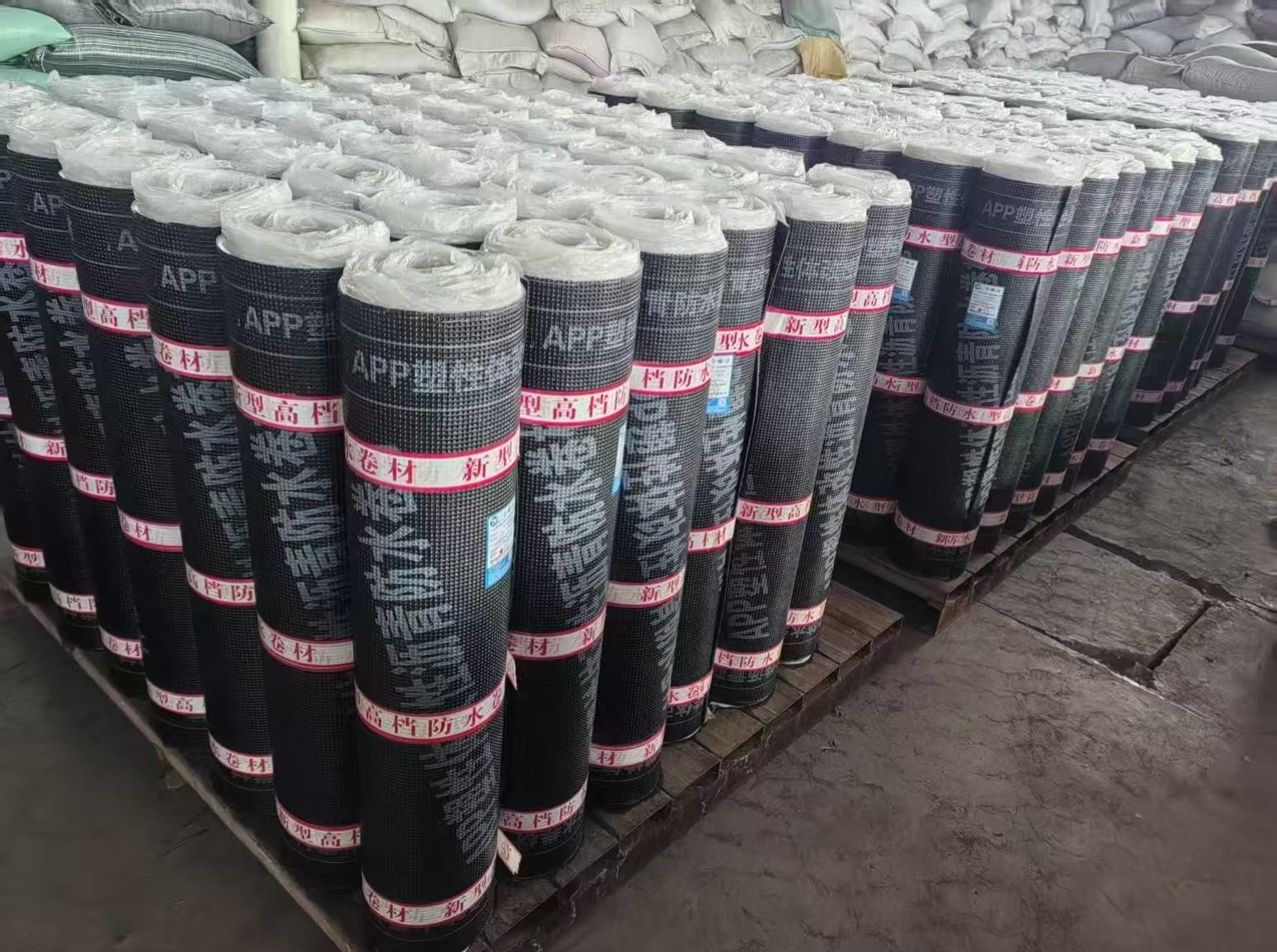
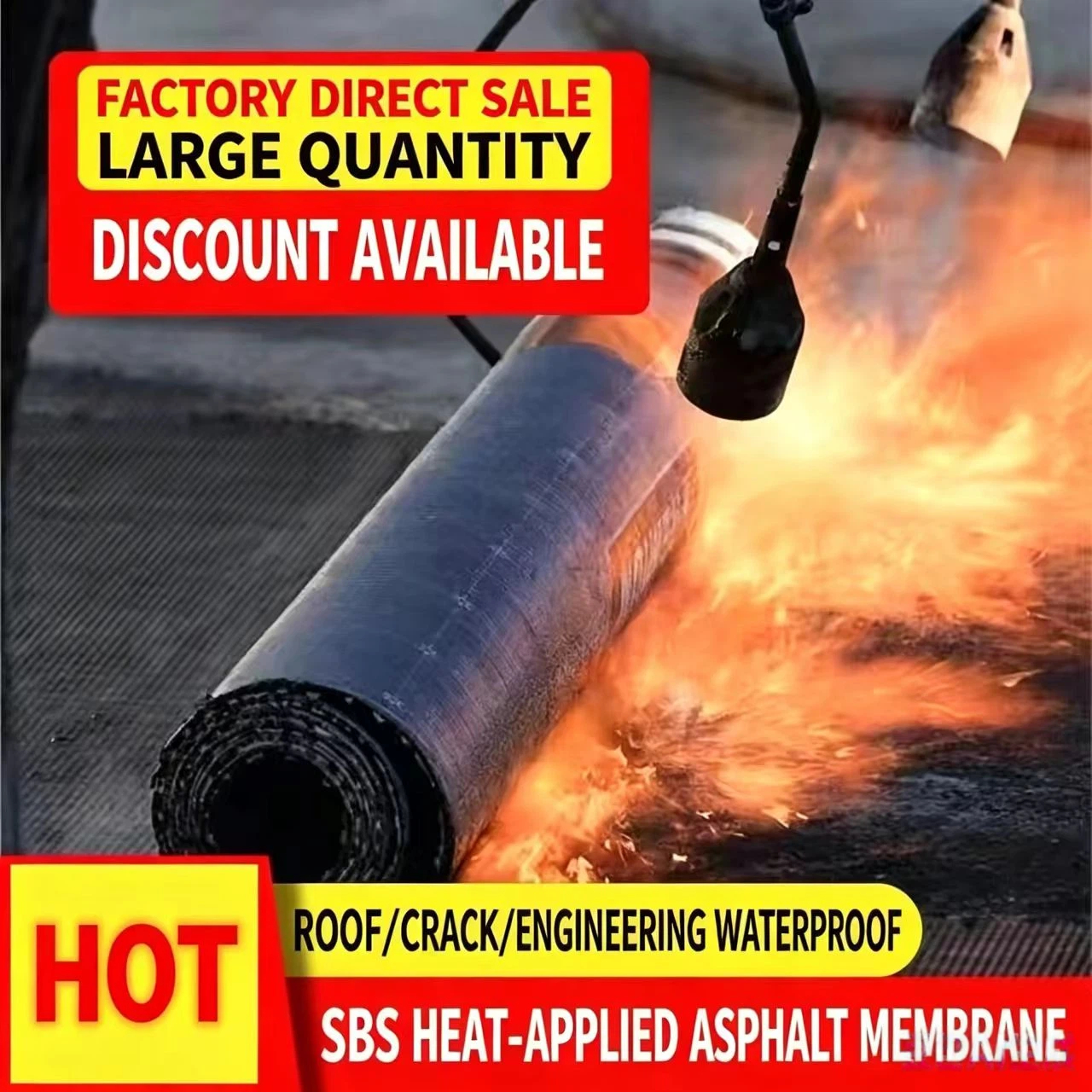
"Waterproofing sheet" is a broad term. Buyers who search it usually mean a roll-format waterproof membrane, but the category covers very different technologies: bitumen membrane (APP membrane and SBS membrane), polymer sheets such as PVC, TPO, and EPDM, and self-adhesive membrane systems. Each behaves differently under heat, cold, UV exposure, and foot traffic.
Because the term is so general, a supplier cannot quote accurately until the intent is clarified. Are you buying for exposed roofing waterproofing, for basement waterproofing under structural load, or for local repair? Do you need a torch-applied, self-adhesive, or mechanically fixed system? The answer changes both the material family and the specification.
Common application scenarios
Matching the sheet to the application is the first filter. A membrane that performs well on an exposed flat roof may not be the right choice below grade.
Roofing
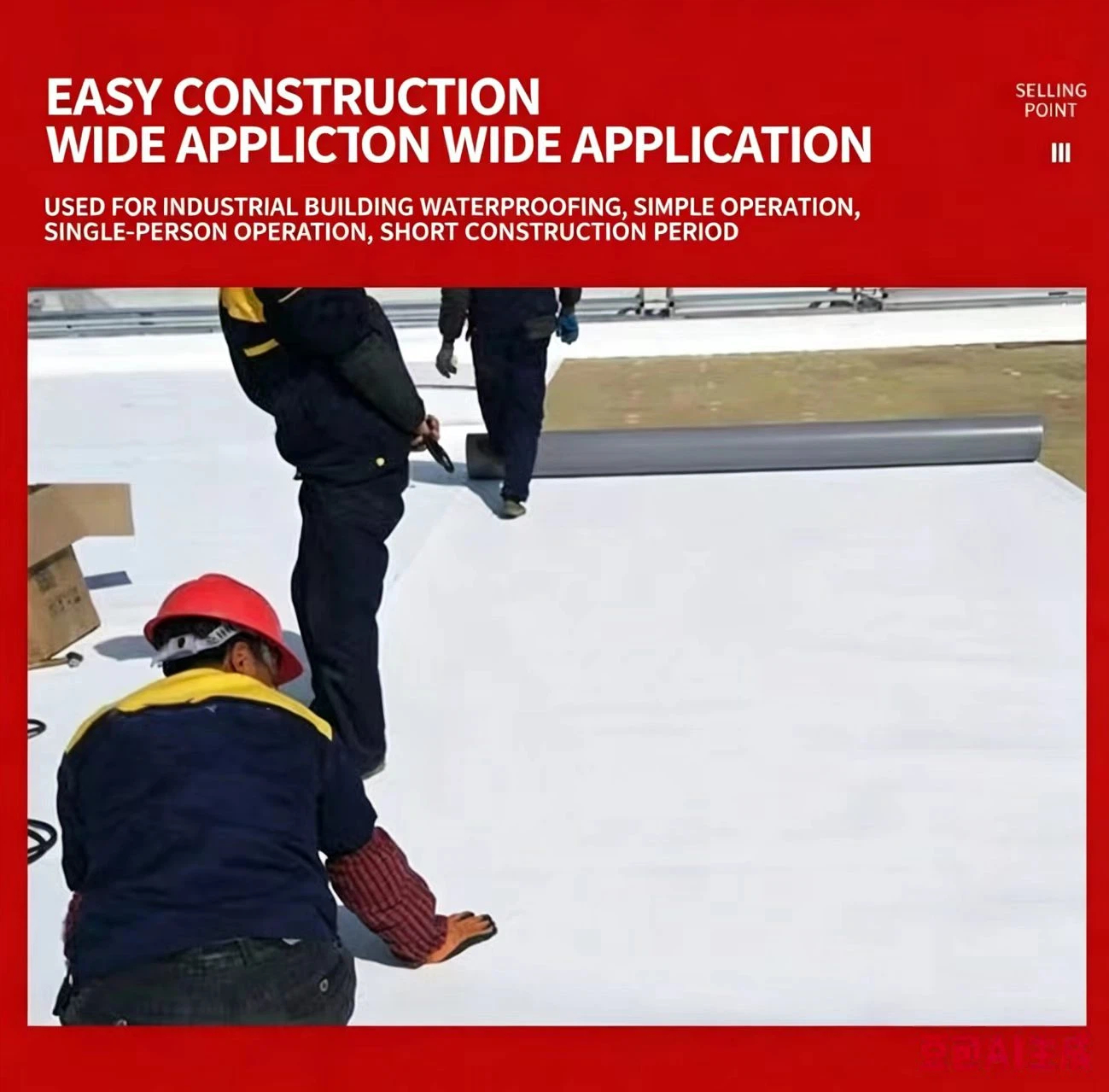
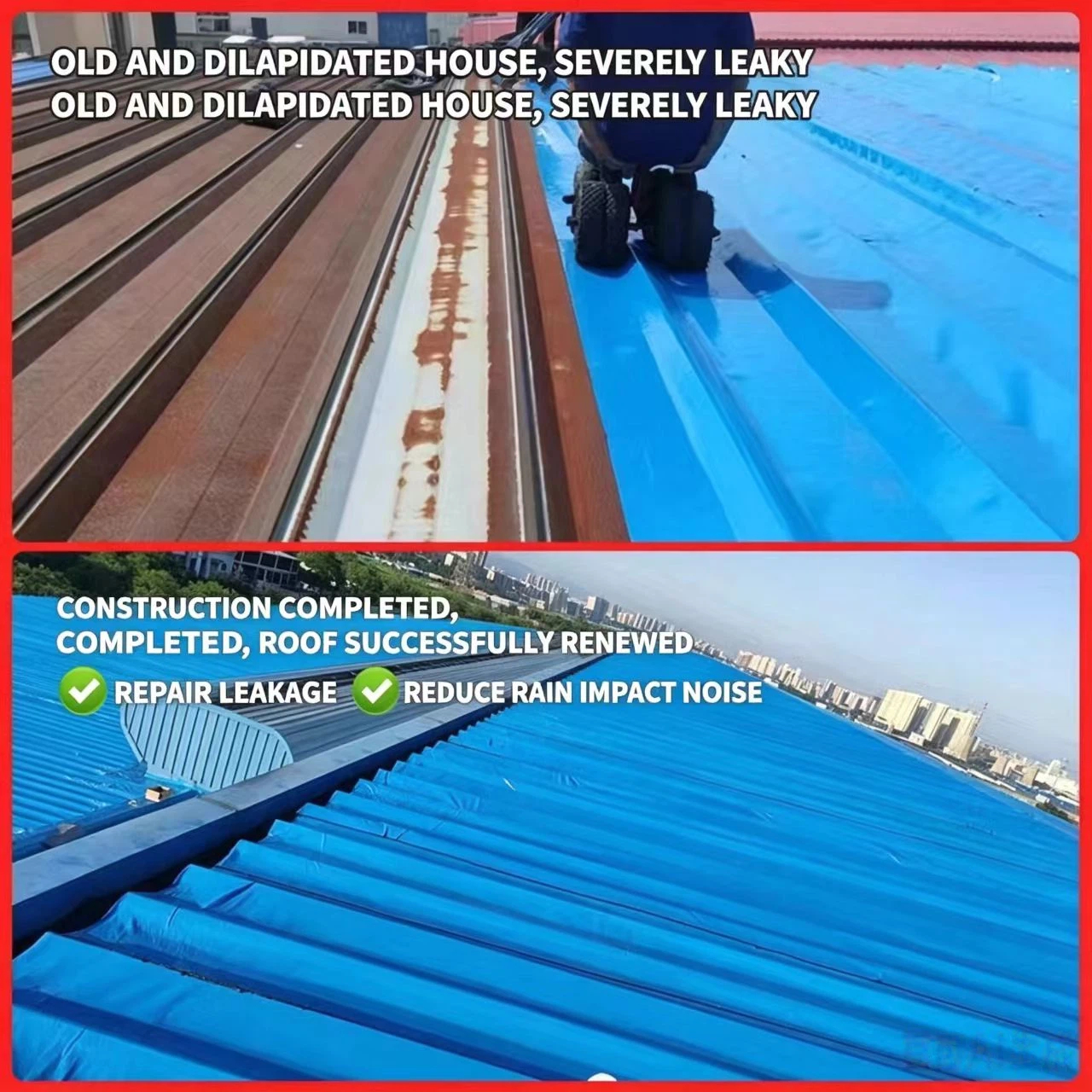
Exposed concrete roofs in hot climates often use bitumen membrane or single-ply sheets such as PVC and TPO. Cold regions frequently favor SBS-modified bitumen for its low-temperature flexibility. Metal and color steel tile roofs usually need a self-adhesive membrane designed for metal substrates, or a repair-oriented product.
Basements and underground works
Basement waterproofing, tunnels, and utility corridors may use pre-applied anti-adhesive self-adhesive membrane, bitumen membrane, or polymer sheets, sometimes combined with a coating for joints and details.
Bridges, hydraulic, and municipal infrastructure
Municipal projects and hydraulic facilities often specify durable polymer membranes such as EPDM or PVC, or heavy bitumen systems. Local specification usually governs the choice.
Repair and detailing
Cracks, overlaps, pipe penetrations, and window edges are often handled with self-adhesive tape or a liquid coating rather than a full sheet.
Waterproofing sheet decision table
| Project condition | Material option to consider | What to confirm before inquiry | Notes |
|---|---|---|---|
| Exposed roof, hot climate | APP-type modified bitumen membrane, PVC, or TPO | UV exposure, surface finish, thickness, roof area | Confirm whether the roof is walkable or has PV panels |
| Exposed roof, cold climate | SBS modified bitumen membrane | Low-temperature flexibility requirement, thickness | Installation method affects lap detailing |
| Basement / underground | Pre-applied self-adhesive membrane or bitumen membrane | Positive or negative side, structural load, groundwater | Often paired with a coating for details |
| Metal / color steel roof | Self-adhesive membrane for metal substrate | New build or renovation, panel condition | Repair may use tape instead of full sheet |
| Water pools, corrosive areas | PVC, EPDM, or TPO | Chemical exposure, service temperature | Chemical resistance depends on the specific medium |
| Local repair / detailing | Butyl self-adhesive tape or liquid coating | Gap width, substrate type | Not a substitute for full-area membrane |
How to choose specifications
Once the material family is set, the specification determines both price and suitability. Confirm these points with your supplier rather than assuming defaults.
- Thickness: Bitumen membrane is often specified in millimeters, while polymer sheets are typically thinner. Required thickness depends on the application and local specification.
- Roll width and length: These affect coverage, overlap waste, and container loading efficiency.
- Surface finish: Options may include sand, mineral, film, or foil surfaces for bitumen, and different top layers for polymer sheets, which relate to UV exposure and appearance.
- Reinforcement: Polyester or fiberglass reinforcement in bitumen membrane, and internal scrim in polymer sheets, influence strength and dimensional stability.
- Installation method: Torch-applied, self-adhesive, mechanically fixed, or loose-laid. This must match your site conditions and labor.
- Packing and quantity: Rolls per pallet, pallets per container, and total order quantity affect freight cost per square meter.
- Destination port: Share this early so the supplier can advise on packing and shipping.
Questions to prepare before requesting a quotation
- What is the application: roof, basement, tunnel, pool, metal roof, or repair?
- Is the surface exposed to sunlight or covered/buried?
- What is the climate at the project site, especially temperature extremes?
- What total area or quantity do you need, in square meters?
- Which material family or thickness does your specification require, if any?
- What installation method will your team use?
- What is your destination port and preferred packing?
- Do you need matching accessories such as primer, tape, or a detailing coating?
Common mistakes and selection risks
Several avoidable errors show up in inquiries and on site.
- Ordering by product name only: Two sheets with the same generic name can differ in thickness, reinforcement, and surface. Always confirm the full specification.
- Ignoring climate: A membrane suited to a hot region may not offer the same low-temperature behavior needed elsewhere.
- Mismatching installation method: Choosing a torch-applied sheet where open flame is restricted, or a self-adhesive sheet on an incompatible substrate, causes problems.
- Skipping detailing: Corners, penetrations, and laps often need tape or coating support. Relying on the sheet alone at these points is a frequent cause of leaks.
- Underestimating overlap and waste: Roll width and layout affect real coverage, so order area should account for overlaps.
Get product selection support
If you can describe your substrate, exposure, climate, quantity, and destination port, a supplier can recommend a suitable waterproofing sheet and confirm the right specification instead of guessing. Share your project details and ask for a specification-matched proposal so the quotation reflects what your site actually needs.