Why Bitumen Is Still a Core Waterproofing Material
Bitumen (asphalt) has been used for waterproofing for decades because it bonds well to concrete and metal, tolerates movement when modified with polymers, and offers a reliable barrier against water at a competitive cost. For procurement engineers and contractors, the question is rarely whether to use bitumen, but which bitumen-based system suits the substrate, climate and construction method.
This guide explains the main categories of bitumen waterproofing, where each performs best, and the specification details you should confirm before placing an order.
Main Types of Bitumen Waterproofing Products
Bitumen waterproofing splits into two broad groups: sheet membranes and liquid-applied coatings. Within each group, the modifier and installation method matter more than the brand name.
1. Modified Bitumen Sheet Membranes
These are factory-made rolls of bitumen reinforced with a carrier (polyester or fiberglass) and modified with polymers for flexibility and heat resistance.
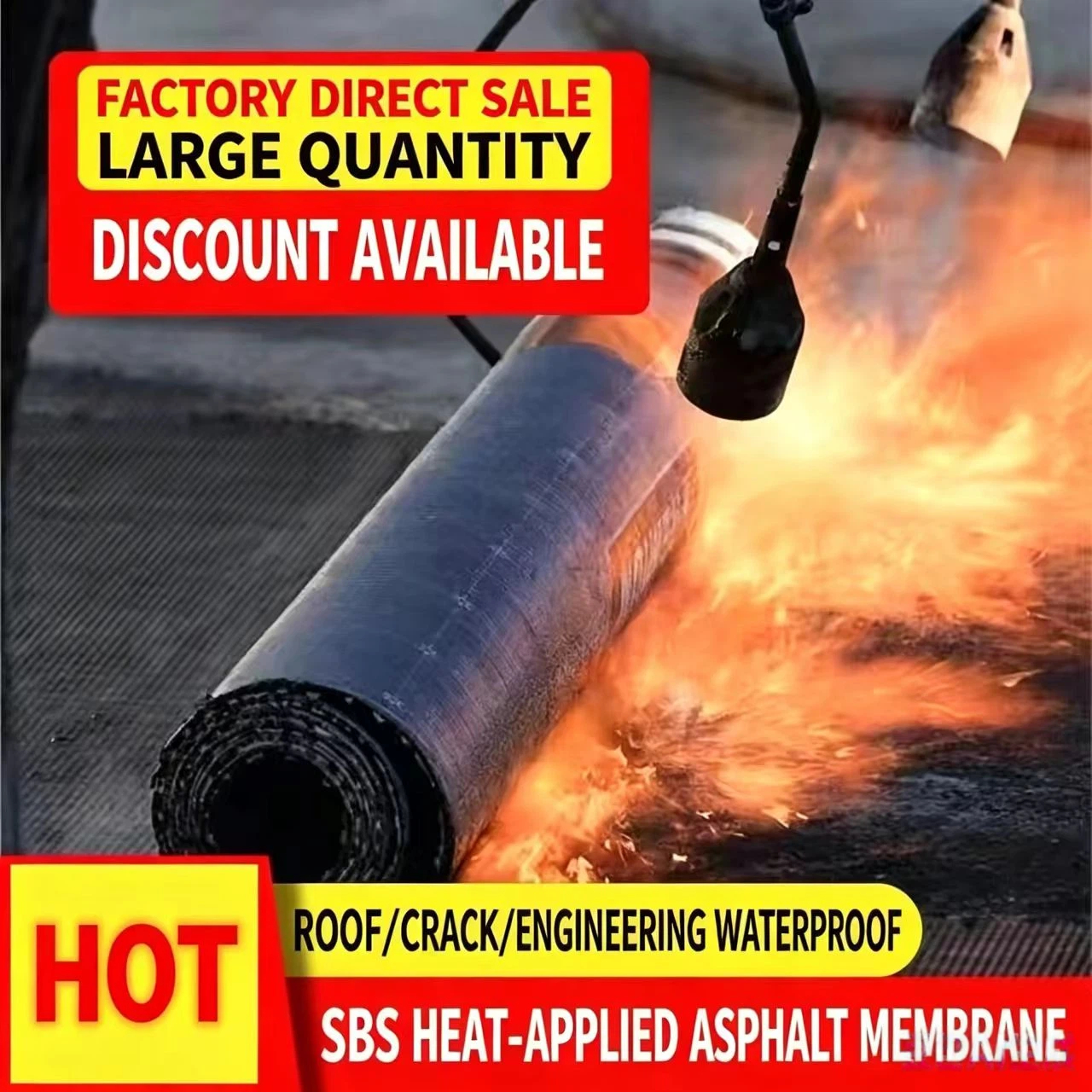
- SBS-modified bitumen stays flexible at low temperatures, making it the common choice for cold-climate roofs, tunnels and basements.
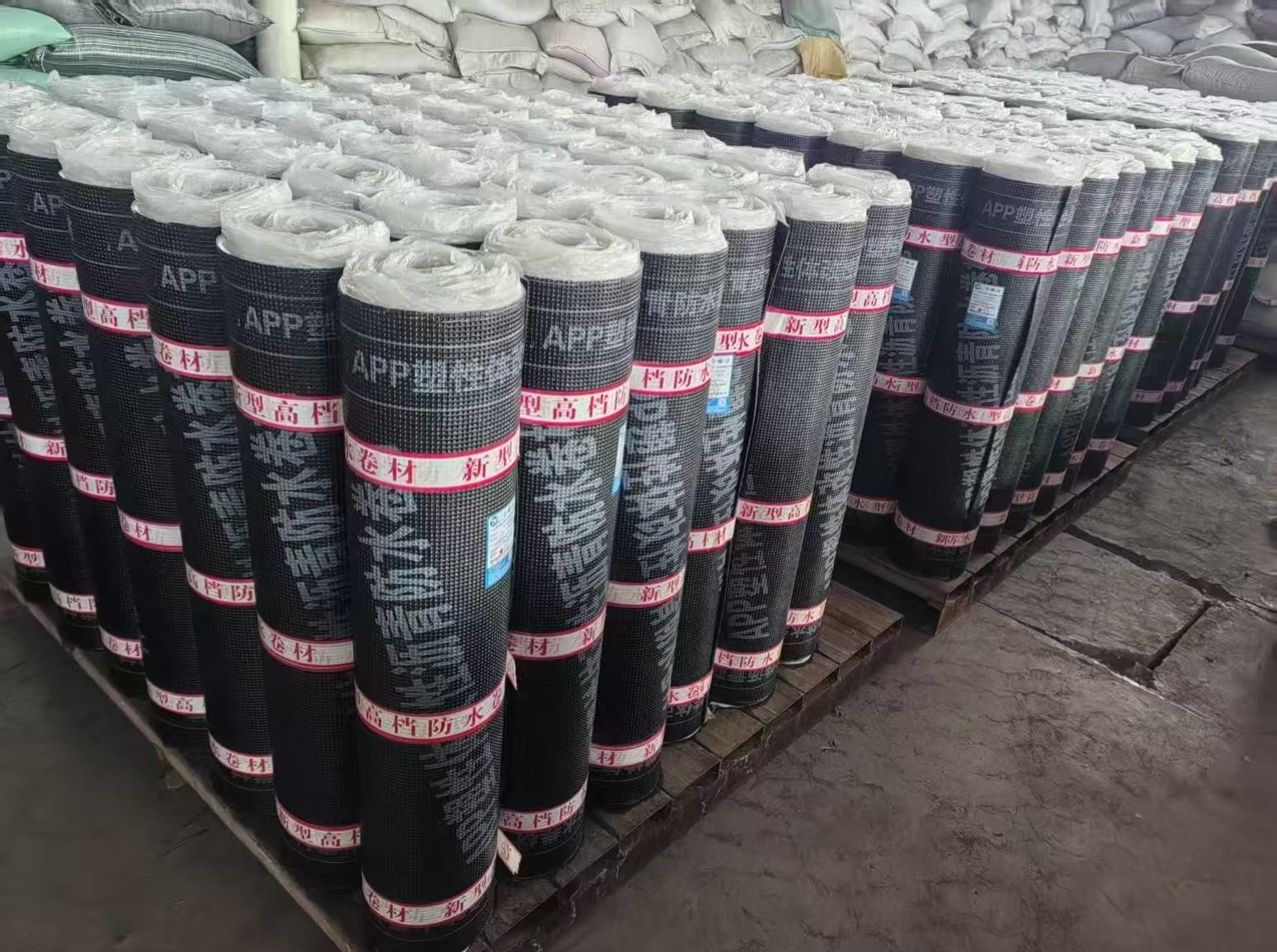
- APP-modified bitumen (often described as modified bitumen membrane) handles high heat and UV better, suiting hot regions and exposed roofs.
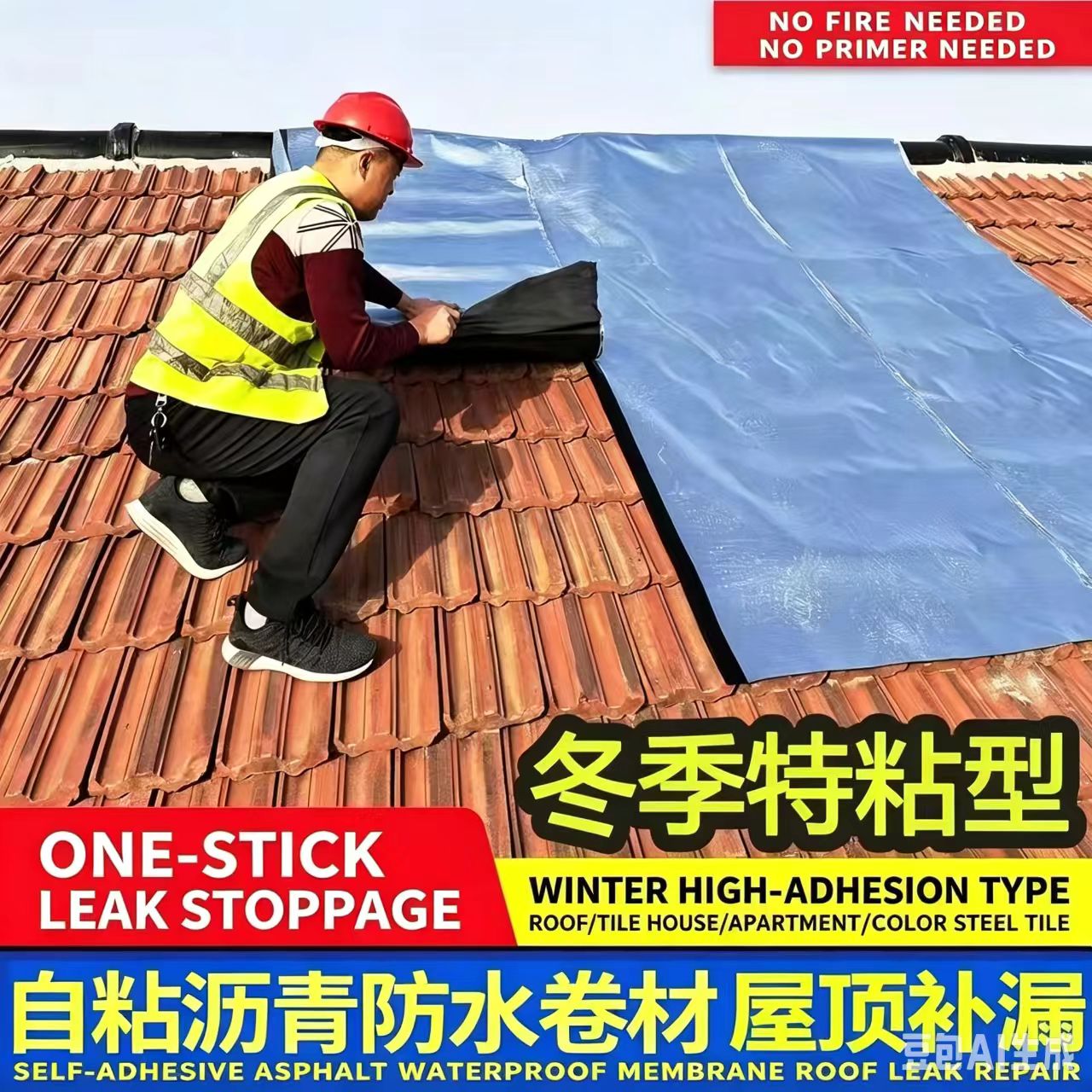
- Self-adhesive modified bitumen removes the need for torch or open-flame application, useful where fire risk or site rules prohibit hot work.
2. Liquid Bitumen-Based Coatings
Liquid systems suit complex shapes, detailing and node reinforcement where sheet membranes are hard to lap.
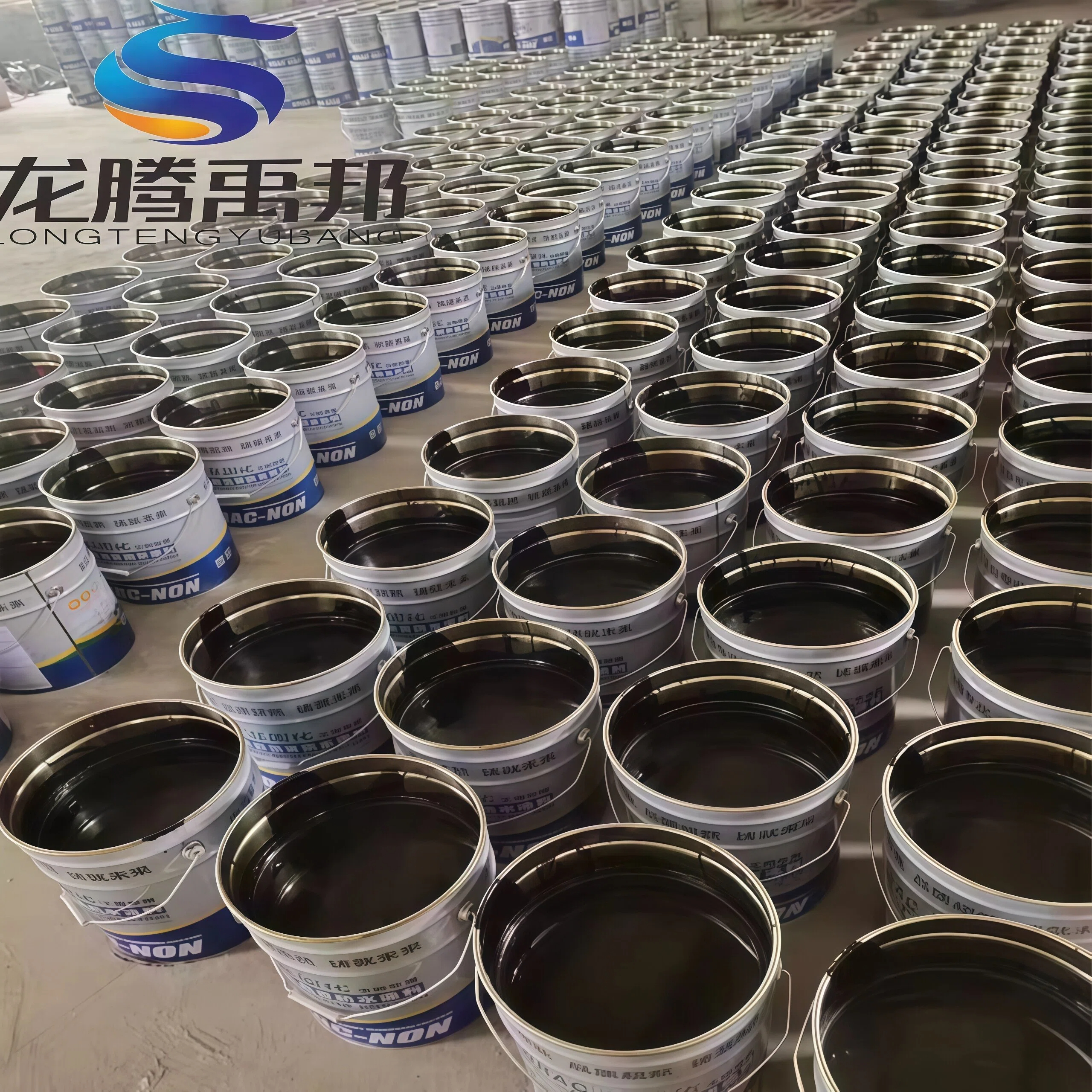
- Non-curing rubber asphalt coating stays permanently plastic, self-heals minor punctures, and is frequently combined with membranes at penetrations and joints.
Application Method: Torch, Self-Adhesive or Pre-Laid
The installation method often decides which product you buy.
| Method | Best For | Key Consideration |
|---|---|---|
| Torch-applied (heat welded) | Large roofs, multi-layer systems | Requires trained crew and fire safety controls |
| Self-adhesive | Indoor, occupied buildings, metal roofs | Substrate must be clean, dry, primed |
| Pre-laid reverse bonding | Basement floors and walls, blind-side | Membrane bonds to poured concrete for no water tracking |
Matching Product to Scenario
Exposed Roofs
For exposed roofs in hot climates, an APP-type modified bitumen membrane resists UV and softening. In cold regions, SBS membrane resists cracking under thermal contraction.
Basements and Underground Structures
Pre-laid reverse-bonding self-adhesive membrane is designed for blind-side and floor slab applications where you cannot access the back face later. Non-curing rubber asphalt coating is widely used as a companion layer to seal nodes.
Metal and Color Steel Roofs
For metal substrates, self-adhesive systems engineered for color steel tiles bond to the profile and accommodate thermal movement of the metal sheet.
Repairs and Detailing
Butyl rubber self-adhesive tape and non-curing coatings handle localized leaks, overlaps and pipe penetrations without re-roofing.
Specification Questions to Ask the Supplier
- Modifier type: SBS or APP? This determines temperature performance.
- Carrier and weight: polyester vs fiberglass, and grams per square meter.
- Thickness: typically 3 mm or 4 mm for sheet membranes; confirm tolerance.
- Surface finish: mineral granule, sand, film or aluminum foil.
- Test standards: which standard the product is tested against (e.g., GB or EN equivalents).
- Installation method: torch, self-adhesive or mechanically fastened.
Buyer Checklist for Import Orders
- Confirm the modifier and carrier match your climate and substrate.
- Request product datasheets and test reports for your records.
- Verify roll dimensions and total coverage per container.
- Clarify packaging, palletizing and storage temperature limits.
- Ask whether a complementary coating is recommended for detailing.
- Confirm lead time, MOQ and sample availability before bulk order.
When to Consider Non-Bitumen Alternatives
Bitumen is excellent for many uses, but for highly chemical-resistant, root-resistant or single-ply exposed roofing, synthetic membranes such as TPO, PVC or EPDM may be specified. A reliable supplier should be able to advise across both bitumen and synthetic systems rather than pushing one chemistry.