This guide is written for importers, waterproofing contractors, procurement engineers, and distributors who search for a "wp membrane" and need to turn that broad term into a specific, quotable product. "WP membrane" simply means waterproof membrane, and it can point to several very different material families, each with its own installation method and best-fit application.
The aim here is to help you match the right waterproof membrane to your project condition, avoid ordering the wrong specification, and prepare a clear inquiry so suppliers can quote accurately the first time.
Understanding the buyer intent behind "wp membrane"
When buyers type "wp membrane", they are usually at an early stage and have not yet decided between a bitumen membrane, a synthetic sheet like PVC, TPO, or EPDM, or a self-adhesive membrane. The keyword is broad on purpose. Some buyers want roofing waterproofing, others need basement waterproofing, and others are sourcing for repair work on metal roofs.
Because the intent is wide, the first job is narrowing it down. The correct product depends on the substrate, the climate at the destination, whether the surface will be exposed or covered, and the installation method your crew can perform. There is no single "best" membrane. There is only the membrane that fits your specific conditions.
Common application scenarios for waterproof membranes
Different projects push you toward different material families. A quick overview:
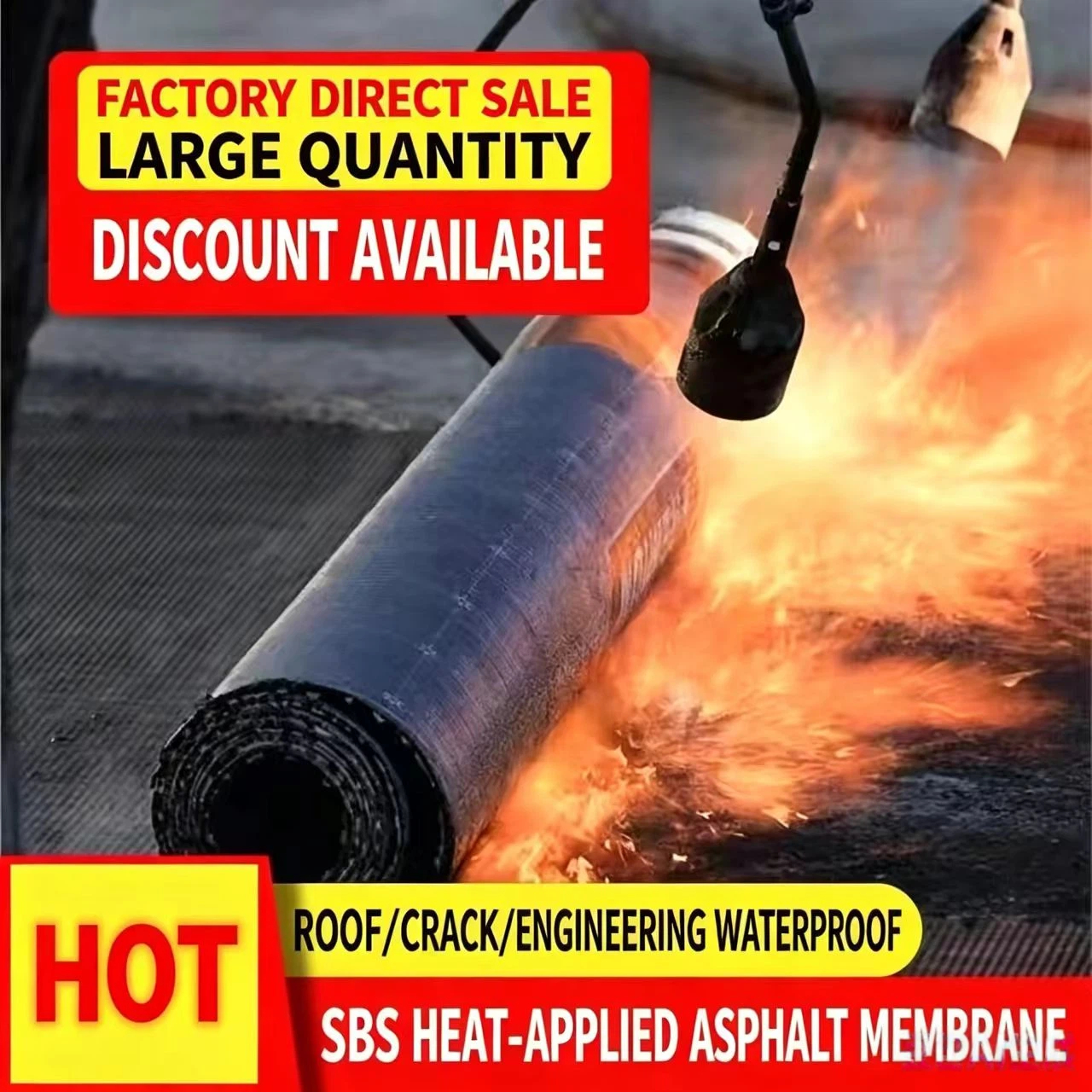
- Exposed flat and low-slope roofs: commonly served by SBS or APP modified bitumen membrane, or synthetic sheets such as PVC and TPO.
- Basements, tunnels, and utility corridors: often use SBS membrane, pre-applied self-adhesive membrane, or cementitious systems, depending on positive or negative side waterproofing.
- Bridges and municipal infrastructure: frequently specified with modified bitumen membrane for heavy-duty conditions.
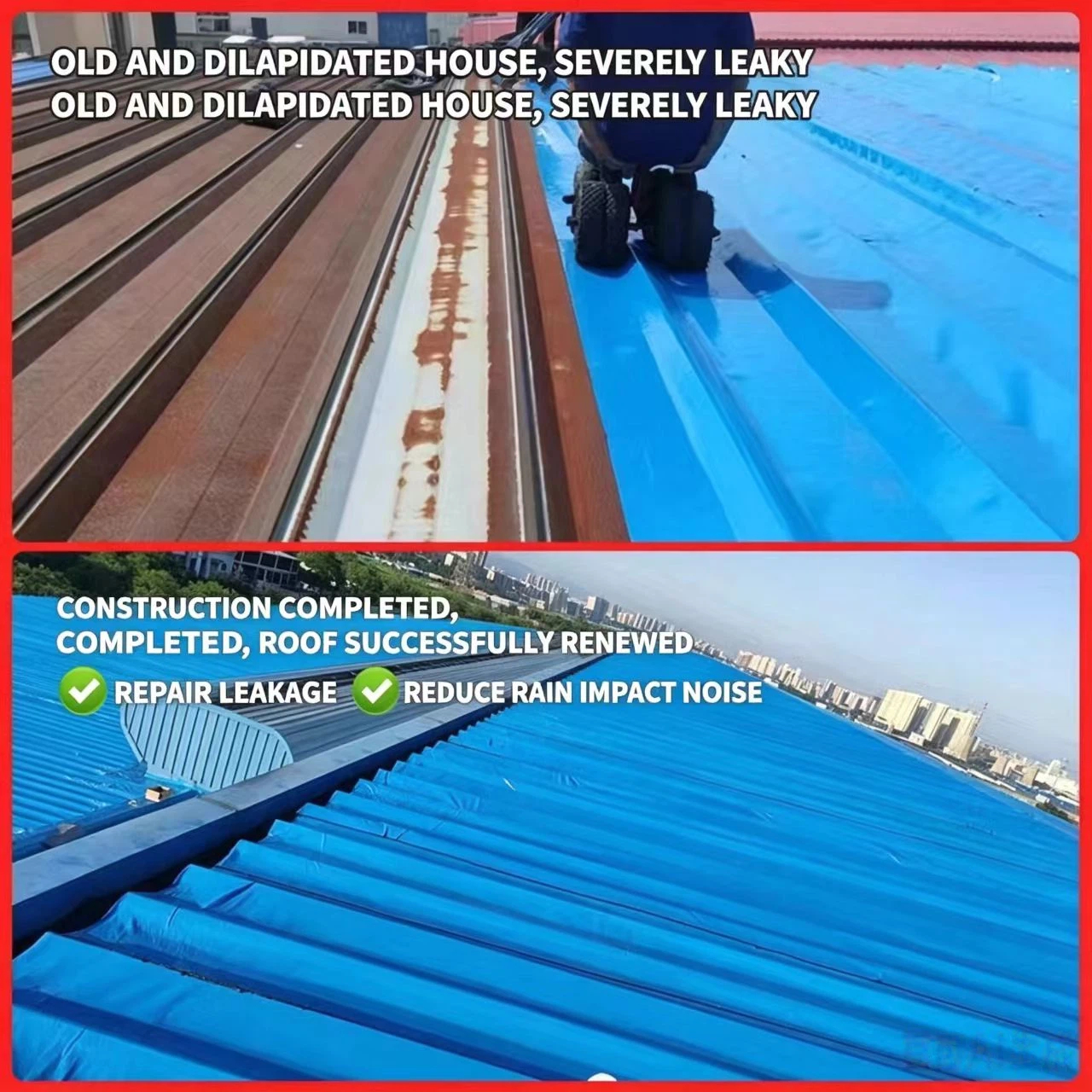
- Metal and color steel tile roofs: a polymer self-adhesive membrane designed for metal substrates is usually more suitable than standard sheets.
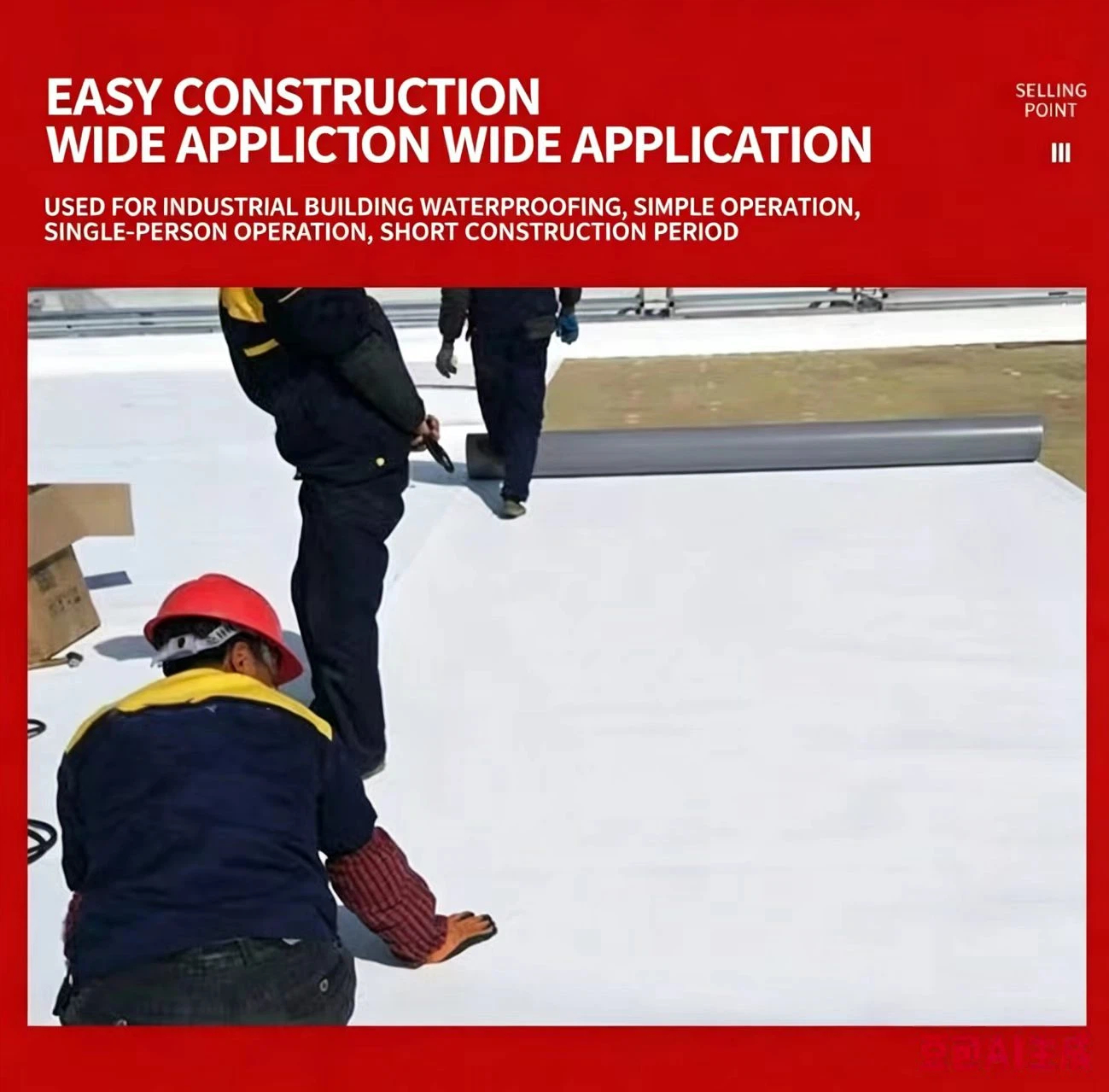
- Photovoltaic and large factory roofs: TPO membrane is often chosen where weldable seams and light-colored surfaces are preferred.
- Local repair and joints: butyl rubber self-adhesive tape or non-curing coatings are used for cracks, overlaps, and pipe penetrations.
WP membrane decision table
| Project condition | Material option | What to confirm before inquiry | Notes |
|---|---|---|---|
| Exposed roof, hot climate | APP modified bitumen or TPO membrane | Thickness, surface finish, exposure duration | Surface color and UV exposure affect selection |
| Exposed roof, cold climate | SBS modified bitumen membrane | Thickness, low-temperature flexibility requirement | SBS is often preferred for cold regions |
| Basement floor and walls | Pre-applied self-adhesive membrane | Positive or negative side, substrate condition | Confirm construction sequence before ordering |
| Metal / color steel tile roof | Polymer self-adhesive membrane for metal | New build or renovation, substrate cleanliness | Designed for metal adhesion, not standard sheet |
| Chemical / corrosive environment | PVC membrane | Chemical exposure type, seam method | Confirm compatibility with specific chemicals |
| No open-flame allowed | Self-adhesive modified bitumen membrane | Site fire restrictions, ambient temperature | Suited to renovation and torch-free sites |
How to choose specifications
Once the material family is clear, the specification details decide the final price and suitability. Confirm these with your engineer or the local specification before sending an inquiry:
- Thickness: commonly the biggest driver of cost and durability for bitumen and synthetic membranes. Match it to project requirements.
- Roll width and length: affects coverage, waste, and container loading.
- Surface finish: mineral, sand, film, or foil for bitumen membranes; reinforced or non-reinforced for synthetic sheets.
- Reinforcement: polyester or fiberglass carriers behave differently under stress and dimensional change.
- Installation method: torch-applied, self-adhesive, hot-air welded, or cold-applied. Choose what your crew can actually perform.
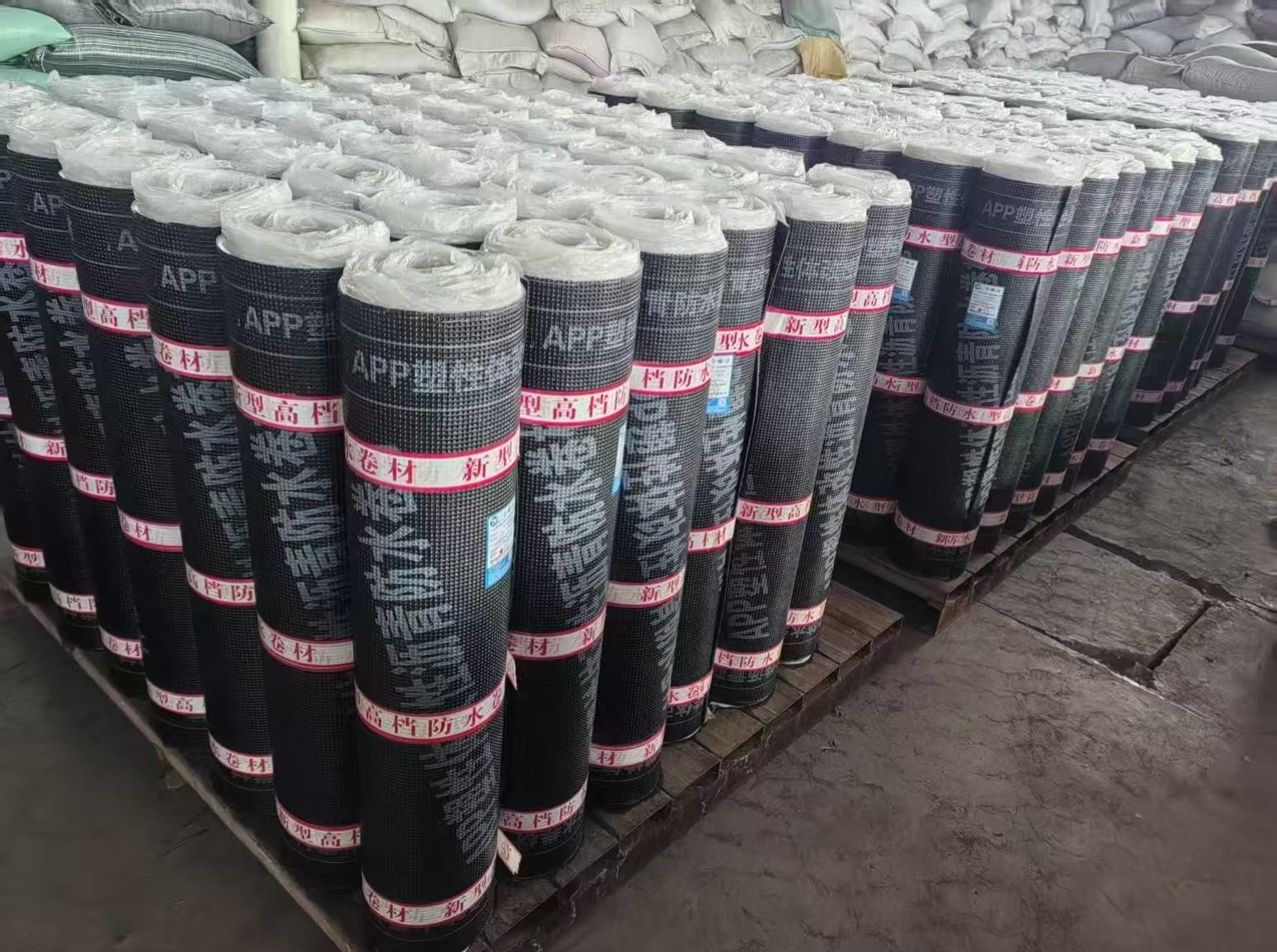
- Packing: rolls per pallet, pallet or non-pallet loading, and moisture protection for the sea voyage.
- Quantity and destination port: both influence freight, MOQ discussion, and lead time.
Questions to prepare before requesting a quotation
- What is the substrate: concrete, metal, existing membrane, or mixed?
- Will the membrane be exposed or covered after installation?
- What is the climate at the destination, including temperature range?
- What thickness or specification does your local standard require?
- Which installation method will the site use?
- What total quantity in square meters do you need, and by when?
- What is the destination port and preferred packing format?
- Are there fire or open-flame restrictions on site?
Common mistakes and selection risks
A few recurring problems cause reorders and site disputes:
- Ordering by price alone: a thinner or lighter membrane may not match the project requirement, leading to early failure.
- Ignoring the installation method: buying a torch-applied membrane for a site that bans open flame wastes time and material.
- Wrong substrate match: standard sheets on metal roofs often underperform compared with membranes made for metal.
- Overlooking climate: a membrane suited to hot regions may not flex well in cold conditions, and the reverse also applies.
- Unclear packing for export: poor palletizing or moisture protection can damage rolls in transit.
Getting product selection support
If you are still deciding between a bitumen membrane, a synthetic sheet, or a self-adhesive membrane, share your substrate, climate, exposure, and quantity, and we can help narrow the options to a quotable specification. The goal is to match a suitable waterproof membrane to your actual conditions rather than pushing a single product for every job.